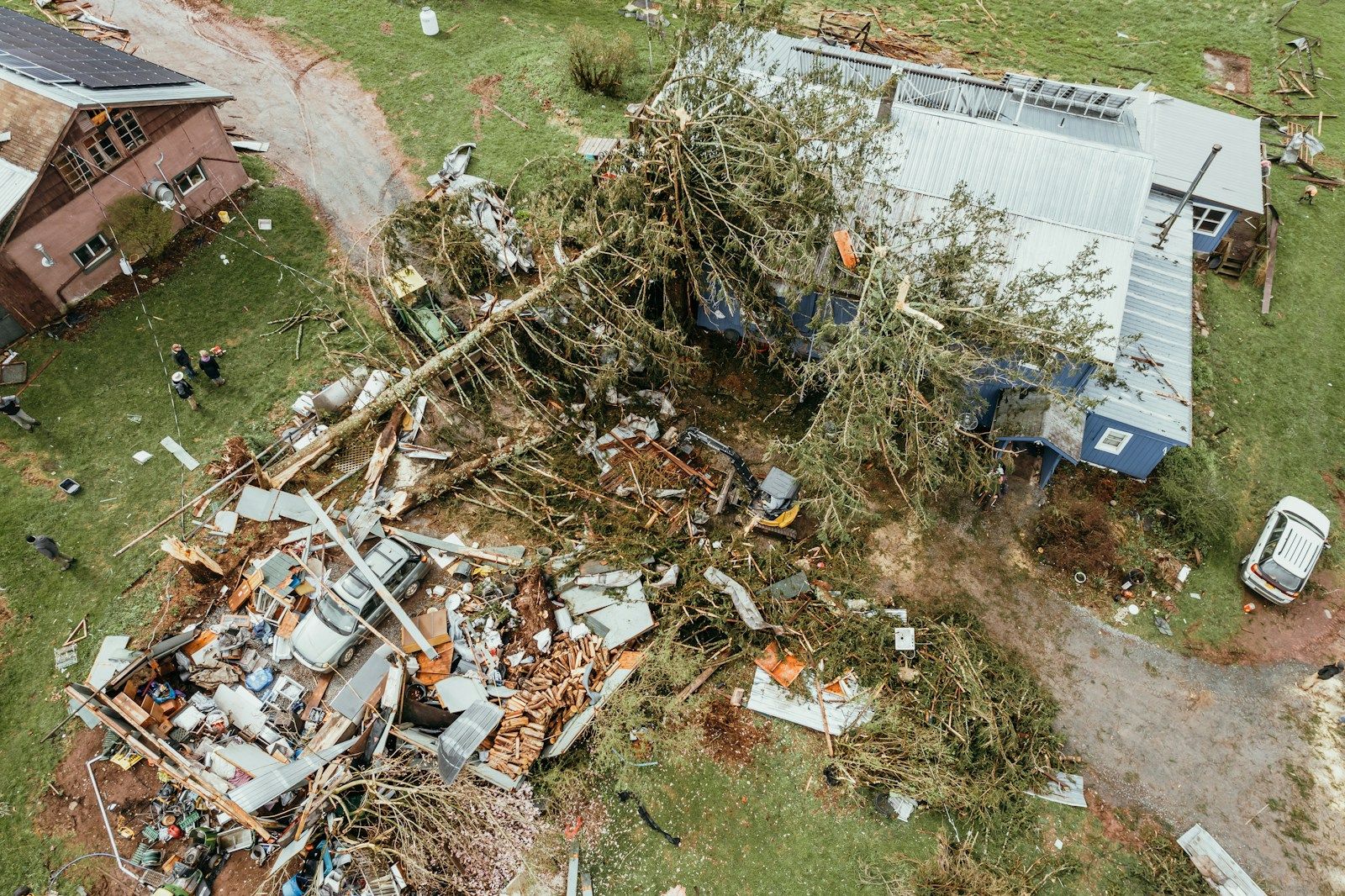
Short answer: It depends on the cause. If wind, hail or a fallen tree opened the roof, the repair and the resulting water damage are usually covered. If the roof leaks because it is old, worn or poorly maintained, the roof repair is excluded, and the interior damage can be denied too. Stop the leak and document everything.
The cause of the opening is the first question
A roof leak is a symptom. To evaluate coverage, separate three things: what happened to the roof covering, how water got inside, and what property was damaged afterward. A windstorm that lifts shingles or a tree that punches through the roof may be treated as a covered event under many homeowners forms. A roof that has reached the end of its useful life, has loose flashing, or has been leaking gradually is a different situation. Standard policies generally do not pay for age, routine maintenance, or deterioration by itself.
The Insurance Information Institute explains that homeowners policies typically cover roof damage caused by a covered peril such as wind, hail, or a falling tree, while age and condition can affect how the insurer evaluates and pays a roof loss. The exact issued policy still controls. A policy may cover sudden resulting damage while excluding the worn roof material that failed. Another form or endorsement can use different terms. Read the policy rather than treating “roof leak” as one uniform type of claim.
Rain entering through a storm-created opening can also be different from rain that comes through a roof that has been allowing water in for months. A sample HO-3 form describes wind or hail damage that creates an opening in a roof or wall as a condition relevant to ensuing rain damage. That is an example of form wording, not a promise that every policy uses identical language. Look at the water, wind, and maintenance provisions in your own contract and identify the event that created the opening.
Sudden damage and gradual leakage
The timeline often matters. A sudden event may leave visible evidence: shingles scattered in the yard after a storm, a limb resting on the roof, a puncture, or a section of flashing displaced at the same time the ceiling becomes wet. Gradual leakage may leave multiple water marks, softened wood, old patches, rusted fasteners, or deterioration that predates the latest weather. Those signs can help an inspector understand what occurred, but no single mark proves the cause by itself.
Write a factual timeline while details are fresh. Note the last time you saw the ceiling dry, the date and approximate time you first noticed water, the weather, where the first drip appeared, and any immediate steps you took. If a roofer or plumber inspects the home, ask for a report that distinguishes observations from conclusions. A report should describe visible conditions and the basis for a cause opinion. Do not ask a contractor to call old damage new, and do not discard material before the insurer has had a reasonable chance to inspect when waiting is safe.
A roof can have more than one issue at once. A storm may expose a weak area, while old flashing or deferred maintenance contributes to the amount of water that enters. The adjuster may separate covered storm damage from wear, pre-existing damage, or repairs that were already due. If the coverage decision treats the entire loss as gradual, ask what observations support that conclusion. You can provide dated maintenance records, earlier photos, inspection notes, or a contractor’s factual findings without changing the story.
Example: the same ceiling stain, two different causes
Consider two homeowners who see a brown spot near a bedroom light. In the first home, a windstorm the prior evening lifts shingles over that room. A photo from the same night shows the missing section, and a roofer’s inspection identifies the new opening. In the second home, a stain has grown across several weeks, the attic shows old water tracks, and the shingles are brittle with no storm-related opening. The visible stain may look similar, but the cause evidence is different. The first situation may fit a covered event, subject to the policy; the second may be considered ongoing deterioration or maintenance.
The example is not a coverage ruling. It shows why photos, dates, weather records, and a sound inspection are more useful than guessing from the interior stain alone. A claim decision also depends on exclusions, deductibles, roof terms, the amount of damage, and the policy’s duties after loss. Keep descriptions neutral: “water appeared after the storm” is more accurate than “the storm definitely caused every part of the damage” unless the evidence establishes that.
What may be covered besides the shingles
If a covered event damages the roof, the claim may include other resulting damage to the house, such as wet insulation, ceiling drywall, interior paint, or personal property. That does not mean every cost is automatically included. The insurer may need to determine how far the water traveled, whether materials can be dried, whether mold is present, and what repairs are necessary. A roof repair estimate and an interior mitigation estimate answer different questions, so keep them itemized.
The policy’s loss-settlement terms can affect the amount. Replacement-cost coverage may involve an initial payment based on actual cash value, with depreciation considered later after eligible repair work and documentation. ACV coverage may leave depreciation as a final deduction. Roof surfaces can have their own payment schedule or endorsement. Read the replacement cost versus ACV guide and ask whether your roof is treated differently from the dwelling interior.
The deductible can also change whether a claim payment is available. A policy may have a flat deductible, a separate wind or hail deductible, or a percentage deductible based on the dwelling limit. Check the declarations page for the deductible that applies to the event. The percentage deductible guide explains how to translate a listed percentage into dollars. Do not assume the smallest deductible on the summary applies to every kind of storm.
What homeowners insurance usually does not pay for
Insurance is intended to address covered, accidental losses under the contract; it is not a roof maintenance plan. Replacement of shingles simply because they are old, resealing worn flashing, correcting poor installation, and fixing long-term neglect are generally the homeowner’s responsibility. The policy may also exclude deterioration, faulty workmanship, or repeated water entry, while treating resulting damage according to separate terms. Since forms vary, phrase the conclusion conditionally and inspect the actual exclusions.
Cosmetic damage can be treated differently from functional damage, especially on metal roofs or specific surfaces. Some endorsements exclude dents that do not impair the surface’s ability to shed water. Do not assume appearance alone establishes a covered loss, and do not assume an exclusion applies without reading its definition. Ask the insurer to point to the exact wording and identify which repair line it considers cosmetic, if that is the reason for a partial denial.
Flooding is another distinct cause. Water rising from outside, storm surge, or surface runoff can fall under a flood exclusion in a standard homeowners policy and may require separate flood coverage. That is different from rain entering through a newly damaged roof opening or water escaping from a household pipe. If the source is unclear, document where the water first appeared and ask the insurer to explain which water provision it is applying.
Steps to take when water is coming through the ceiling
First protect people and avoid electrical hazards. If water is near a light fixture or wiring, keep away and contact an appropriate professional. Do not climb onto a wet, steep, unstable, or storm-damaged roof. A tarp may be appropriate only when a qualified person can install it safely. The goal is to reduce additional damage without creating a new injury or making the roof condition worse.
Next, photograph and record the scene before moving property, when it is safe. Take a wide photo of the room, then close images of the stain, dripping point, damaged belongings, and any visible opening from a safe vantage point. Record the date and keep original files. Move furniture and valuables away from the water if you can do so safely. Place a container under a drip and keep a short log of emergency steps and costs.
Then contact the insurer or agent using the policy’s claim instructions. Explain what you know and what is still uncertain. Ask whether an inspection is needed before permanent repairs, what materials the insurer wants preserved, and whether it authorizes emergency mitigation. Keep receipts for tarps, drying equipment, emergency service, or temporary repairs. Reasonable steps to prevent further damage may be required by the contract, but avoid permanent work that hides evidence until the insurer can inspect unless delay would cause additional damage or create a safety issue.
How to document the roof and interior
Take photos from the ground or another safe place. A roof inspection should be done by someone qualified and equipped for the conditions. Capture the whole roof slope, close views of missing or damaged materials, gutters, flashing, and the interior area below. If an inspector identifies a suspected opening, ask for a written description of its location and what evidence indicates it is new. Keep weather reports or local storm notices if they help establish timing, but they do not by themselves prove damage at your property.
Save documents that show the roof’s age and care: installation invoice, warranty, prior inspection, repair receipts, and before-loss photos. If you do not have records, say so. A contractor’s inspection can document material condition, but the insurer still evaluates the cause and policy. Ask for a copy of any report prepared for the claim. If the estimate omits a necessary repair, send a line-by-line explanation and supporting photo instead of replacing the entire scope with an unsupported number.
Keep a single claim folder with the declarations page, policy forms, claim number, estimates, inspection reports, photos, receipts, and a log of calls. After each conversation, record the date, person or department, and what was agreed. If the insurer gives a deadline for proof, put it on your calendar. The homeowners claim guide has a practical filing sequence and recordkeeping suggestions.
What to do if the insurer says the leak is old
Ask for the decision in writing and identify the facts the adjuster relied on. Is the company disputing that wind or hail created an opening, saying that the roof was already deteriorated, or separating new roof damage from interior water damage? Ask for the policy provision cited, the estimate lines affected, and any inspection photos or report the company can provide. A specific disagreement is easier to address than a general argument that “the roof should be covered.”
Review the written reason against your own records. If the report says the roof was not damaged in a storm, provide dated images or a contractor’s findings about the opening. If the dispute concerns scope or price, ask the contractor to compare the insurer’s line items with the observed damage. Do not pressure anyone to state a cause they cannot support. A disagreement about price can be different from a disagreement about whether a covered peril caused the loss.
If you still disagree, follow the policy’s appeal or dispute process and check your state insurance department’s consumer assistance options. A public adjuster or attorney may be appropriate for some claims, but fees, licensing rules, and suitability vary. Before hiring anyone, understand the written agreement, the services, and any fee. No representative can guarantee that a claim will be accepted.
Can I repair the roof before the inspection?
Emergency steps to prevent more water from entering may be necessary, but document the condition first when safe and keep damaged samples or invoices if practical. Tell the insurer what work cannot wait and ask whether it wants to inspect before permanent repairs. If a repair must happen immediately for safety or to prevent additional damage, photograph it, keep the contractor’s itemized scope and receipts, and note why waiting was not reasonable. Do not delay a safe emergency response solely to preserve a photo opportunity.
Avoid signing a contract that promises a free roof or asks you to assign benefits without understanding the terms. Be cautious if someone offers to waive your deductible or tells you to report old damage as storm damage. Your claim should describe what actually happened. A contractor can help evaluate and repair the roof, but the insurer decides coverage under the contract. Keep a copy of every authorization and ask the company to explain any difference between the approved scope and the contractor’s proposal.
Preventing a repeat leak
After the immediate issue is stabilized, ask a qualified roofer to identify the source and recommend repairs. Keep the written findings and invoice. Check the attic or ceiling for moisture only if it is safe and the area is accessible without disturbing damaged wiring or unstable materials. Promptly address loose flashing, blocked drainage, and worn seals as maintenance. A roof inspection after severe weather can help identify new damage, but it should not be used to turn ordinary age into a claim.
The old roof insurance guide explains how age and condition can affect underwriting and payment. The hail roof guide covers hail evidence and roof estimates. If a tree has fallen, see a neighbor’s tree fell on the house for the separate questions about tree removal and responsibility. Each event has its own cause and policy terms; use those pages as context, then confirm the wording in your own policy.

Questions to ask before you close the claim
Ask whether the estimate includes both roof work and interior drying or repair, what deductible applies, whether depreciation is recoverable, and what deadline applies to any later payment. Ask if the insurer expects additional photos, a contractor supplement, or proof that temporary mitigation is complete. If the roof has a special endorsement, request a copy. Keep the answer and supporting form with the claim records.
A roof claim is easier to understand when you can trace each amount to a cause, a line item, and a contract term. The best evidence is a factual timeline, safe photos, a clear inspection report, and receipts for necessary work. A leak does not decide coverage on its own, and a denial does not tell you which detail to challenge until you read the explanation. Review the cause, the roof wording, the interior damage, and the deductible as separate parts of the same loss.
Frequently asked questions
The short answer is conditional because the same ceiling leak can result from a storm opening, gradual deterioration, or a different water source. Give the insurer the facts, keep proof of reasonable emergency steps, and avoid guessing at a cause before an inspection.
Frequently asked questions
Does homeowners insurance cover a roof leak during rain?
It may cover the resulting damage when a covered event, such as wind or hail, first creates an opening in the roof. Rain entering through an old, worn, or poorly maintained roof may be treated differently. The cause and policy wording matter.
Will insurance pay to replace an old roof?
Age alone does not make a roof replacement a covered loss. If a covered peril damages the roof, payment can depend on the roof's condition, the policy's replacement-cost or ACV terms, and any roof endorsement or deductible.
Should I put a tarp over a leaking roof?
Protect the home from further damage only when it is safe to do so. Do not climb onto a wet, steep, unstable, or storm-damaged roof. Photograph conditions from a safe place, arrange qualified emergency help, and save receipts.
Should I file a claim for a ceiling leak?
First identify the source and compare the likely covered repair with your deductible and policy terms. A small interior stain does not prove the roof cause. Document the timeline and ask the insurer how it wants the damage inspected before permanent repairs.
Sources
- How Your Roof Influences Your Home and Business Insurance — Insurance Information Institute
- Residential Insurance: Homeowners and Renters — California Department of Insurance
- Homeowners 3 — Special Form, ISO form HO 00 03 05 11 — Maine Bureau of Insurance
CoverClaro explains insurance. We do not sell insurance or give personal advice. Your policy and insurer determine your coverage.