
Short answer: Usually, yes. Hail is a covered peril on standard policies, so a damaged roof is typically repaired or replaced, minus your deductible. Watch for a separate wind and hail deductible, often a percentage of your dwelling coverage, and for cosmetic damage exclusions on metal roofs. Older roofs may be paid at depreciated value. Report damage promptly.
Does homeowners insurance cover hail damage to a roof?
Usually, yes. Hail is a named cause of loss in the homeowners world, and a standard HO-3 policy covers the dwelling against direct physical loss from events like hail unless an exclusion applies. If a storm bruises, cracks, or dents your roof, the policy generally pays to repair or replace the damaged parts, minus your deductible. That sounds simple, and then four details decide how big the check is: the deductible for wind and hail, how the policy values the roof, whether a cosmetic damage exclusion applies, and whether the damage is really new.
The rest of this guide takes those in turn, with the steps that protect your claim. For the basics of what a policy covers, see our plain-English guide to what homeowners insurance covers.
Where does hail damage hide?
The roof gets the attention, but hail hits everything that faces the sky. Walking the property before you call anyone helps you describe the loss and spot damage the first adjuster might miss.
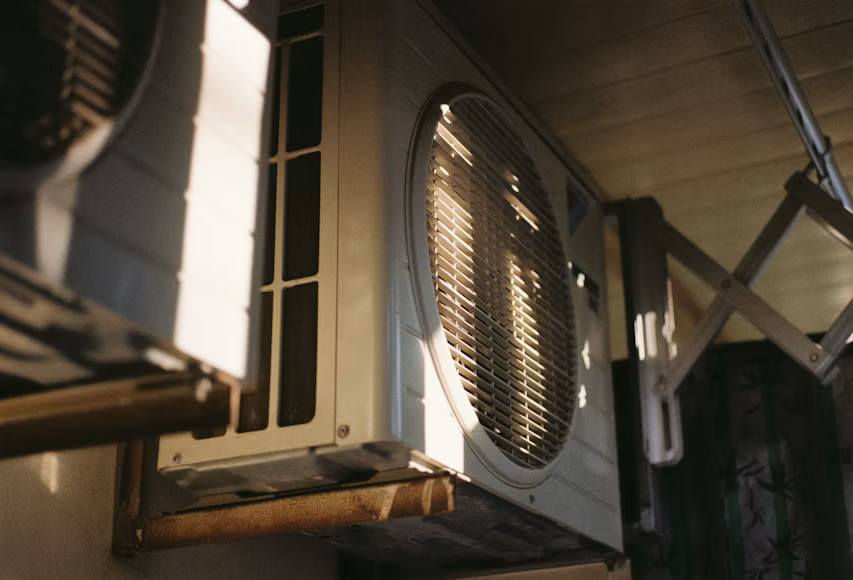
On the roof, asphalt shingles show hail as round soft spots, sometimes called bruises, as bare patches where the protective granules have been knocked off, or as cracks. Vents, flashing, and metal edges dent easily and can confirm an impact even when the shingles look intact. Gutters and downspouts show dings, often more on the side that faced the storm. The air conditioner outdoor unit can have bent fins or dented panels; our guide on AC units and HVAC covers how that is treated. Windows, screens, siding, a deck, and a fence can also show damage. Photograph all of it, even if it looks small, because it supports the story of the storm.
Why get a proper roof inspection, and how do you avoid storm chasers?
Damage that is not obvious from the ground can still be there. A qualified roofer or inspector can climb safely, look at the shingles up close, and write a report. You should not climb an icy or wet roof yourself.
After a big hail storm, contractors from out of town often go door to door. Some are honest. Some are called storm chasers, because they follow storms for business, and the pattern to be careful of is the same: pressure to sign right away, a request for payment upfront, a promise that they can get the insurer to pay for a full roof, an offer to cover or waive your deductible, and a contract that asks you to sign over your claim or the payment. Offering to waive a deductible is illegal in many states and can sink your claim. Do not sign anything that assigns your claim without understanding exactly what you are giving up, and check local contractor licensing. Get more than one estimate, and ask for references from your area.
How does the wind and hail deductible change the payout?
Many policies have two deductibles: a flat one for most claims, and a separate, often higher, one for wind and hail. The wind and hail deductible is frequently set as a percentage of your dwelling coverage, Coverage A, and not as a dollar amount. It is calculated on your coverage, not on the damage. Our guide on how a percentage deductible works explains the math with tables.
Here is an illustration with made-up numbers. Your dwelling coverage is $300,000 and your wind and hail deductible is 2%. That is $6,000, whatever the damage. If the roof repair is $9,000, the policy pays about $3,000. If the repair is $5,000, it pays nothing, because the loss is below the deductible. With a flat $1,000 deductible instead, the same $9,000 repair would pay $8,000. Check your declarations page for the deductible that applies to hail before you decide whether to file.
What is a cosmetic damage exclusion?
Some policies, mostly in hail-prone areas and often for metal roofs, exclude cosmetic damage. That means dents, dings, and surface marks that do not affect how the roof functions or keeps water out. If your policy has this exclusion, a metal roof with many dents but no leaks may not be paid. Look for words like “cosmetic damage” on your declarations page or in the endorsement list, and ask your agent how your policy defines it. Not every policy has one, and the wording varies.
Roof age, depreciation, and recoverable depreciation
Age matters a great deal in hail claims. A newer roof is more likely to be paid at replacement cost. An older roof may be paid at actual cash value, which subtracts depreciation, or under a roof payment schedule that shrinks with age, and wear and tear on an aging roof is never covered. Our guide on old roofs and insurance explains these and shows the arithmetic.
When a policy pays replacement cost, it often pays in two steps. First it pays actual cash value, the replacement cost minus depreciation and minus your deductible. After you finish the work and send your invoices, it releases the held-back depreciation, called recoverable depreciation. Keep your invoices and ask what proof the insurer needs and by when. Our guide to filing a homeowners claim explains the sequence.
What about matching and partial repairs?
Sometimes a repair requires replacing more than the damaged shingles because the old shingles are no longer made or no longer match in color or style. Whether an insurer pays to make the roof look uniform, called matching, depends on the policy and on the state, and practices differ. If your adjuster proposes a partial repair and you worry about a visible mismatch or about the roof’s performance, ask for the reasoning in writing and have your roofer say whether the repair can be done properly. We are not describing specific state rules because we could not verify them against an official source.
A partial repair can also raise a quieter question: whether a roof that is patched in some areas and old in others will perform as well. Ask your roofer to put in writing whether the repair is sound and whether the rest of the roof is likely to need work soon.
What to do after a hailstorm
After hail hits your home
- Stay safe. Stay off the roof, and watch for broken glass, loose gutters, and downed limbs.
- Photograph hailstones if you can, with something for scale, and photograph the damage you can see from the ground: gutters, siding, windows, the AC unit, and the yard. Note the date and time.
- Look inside for stains and wet spots, and cover openings or put out buckets to prevent more damage. Keep receipts for emergency repairs.
- Check your policy for the wind and hail deductible and any cosmetic exclusion, and note the roof’s age.
- Report the loss to your insurer promptly and ask for the deadline to report and to submit documents in writing.
- Get a licensed roofer to inspect and give a written report and estimate. Compare more than one. Our claim filing guide has a checklist and call log.
- Be present at the adjuster’s visit, point out all areas, and say only what you know. Our guide on what not to say to an adjuster explains how.
What does repair cost, and how do you know if it is worth filing?
We are not printing repair ranges because we could not verify them against a source, and roof costs vary with the size and pitch of the roof, the material, and local labor. The more helpful question is how your own estimate compares with your deductible.
| Cost item | What drives the price | Paid by insurance? |
|---|---|---|
| Inspection and report | Roof size and access | Often not a covered loss item itself; check |
| Roof repair or replacement | Area damaged, material, pitch, code requirements | Yes for covered damage, after the deductible and subject to roof valuation |
| Gutters, siding, windows | Number of items and materials | Yes, if hail damaged them, after the deductible |
| AC unit repair or replacement | Extent of damage and the equipment | Often yes if hail caused it, after the deductible |
| Interior water damage | Area and how long water got in | Yes if the roof damage was a covered loss |
| Upgrades beyond the damaged item | Your choice of material | Usually not, unless required by code or by an endorsement |
Compare the covered total with your deductible. If it is clearly above, filing probably makes sense. If it is close or below, a claim may pay little or nothing and still show up in your history. Use our claim calculator and our guide on premiums after a claim. One more cost to think about is delay: damage that goes unrepaired can let water in and create bigger problems.
| Situation | Possible outcome | Why |
|---|---|---|
| Hail cracks and bruises asphalt shingles across the roof | Usually covered | Direct physical loss from a covered event. The payout depends on the deductible and how the roof is valued. |
| Your policy has a separate wind and hail deductible of 2% | Covered, minus the larger deductible | The deductible is a share of your dwelling coverage, so small repairs can fall under it. |
| Hail dents a metal roof but nothing leaks | Depends | A cosmetic damage exclusion, if your policy has one, may exclude it. Without one, dents can still be covered. |
| An old roof with worn shingles takes a hailstorm | Depends | Hail damage is covered, but wear is not, and an older roof may be paid at depreciated value. |
| Hail breaks a window and dents the AC condenser | Usually covered | Other structures and equipment hit by hail are generally covered, subject to the same deductible. |
| Damage you find months later with no earlier report | Depends | Late notice and unclear dates can lead to questions. Report as soon as you find it and add dated records. |
Two real scenarios
The 2% deductible. After a hailstorm, Jim’s roofer finds bruised shingles on two slopes and quotes $9,000 for the repair. His policy has a wind and hail deductible of 2% of his $300,000 dwelling coverage. That is $6,000, and the claim would pay about $3,000. Jim compares that with the premium effect and the chance that hail will come again, files the claim, and asks his insurer in writing how recoverable depreciation will be handled. He is not surprised by the number, because he checked his declarations page before calling.
The door knocker. After a storm, a contractor knocks on Alma’s door, says her roof has hail damage, and offers to “take care of your deductible” if she signs a contract that assigns her claim. Alma asks for the contract and a license number, and declines to sign. She calls her insurer first, gets her own roofer’s inspection, and sends the report with her claim. She keeps control of her claim and avoids a legal problem.
How do you prepare before the next storm?
Photograph your roof, gutters, and AC unit once a year, with dates, so there is a record of what they looked like before a storm. Keep invoices for roof repairs and inspections. Know your wind and hail deductible, whether your policy has a cosmetic damage exclusion, and how your policy values the roof. If you are thinking about a new roof, ask your agent whether impact-resistant materials affect your coverage or premium. For more roof and structure topics, see our Roof & Structure category.
Frequently asked questions
How long can you claim hail damage on a roof?
There is no single answer. Your policy usually requires prompt notice and may set a specific window for reporting a storm loss, and state law and the policy set a separate deadline for any lawsuit. Check the notice and suit conditions in your own policy, report as soon as you find damage, and ask your insurer for the deadline in writing.
Is it worth making an insurance claim for hail damage?
It depends on the repair cost compared with your deductible, which for hail is sometimes a percentage of your dwelling coverage, and on how your policy values the roof. A small repair under the deductible pays nothing. Get a roofer’s estimate first and compare it with your deductible and the premium effect.
Can insurance adjusters tell how old hail damage is?
Often they can get a good idea. They look at whether impact marks are fresh or weathered, compare the pattern with dated storm reports for your address, and review earlier photos or inspections. Dated photos of your roof from before a storm help show that the damage is new.
What not to say to an insurance adjuster about the roof?
Do not guess about when the damage happened or whether the roof was already worn, and do not exaggerate. Describe what you saw, point to your roofer’s report, and ask for the adjuster’s findings in writing. Our guide on what not to say to an adjuster has a table of phrases and better wording.
Sources
- A Consumer Guide to Homeowners Insurance — Maryland Insurance Administration
- A Consumer's Guide to Home Insurance — National Association of Insurance Commissioners
- Homeowners 3 — Special Form, ISO form HO 00 03 05 11 — Maine Bureau of Insurance
CoverClaro explains insurance. We do not sell insurance or give personal advice. Your policy and insurer determine your coverage.