Short answer: It depends on what broke it. Homeowners insurance pays to repair or replace central air when a covered peril did the damage: lightning, fire, hail, a falling tree, theft, or vandalism. It won’t pay when the unit simply wore out or the compressor failed with age. For breakdowns, you need a home warranty or equipment breakdown coverage.
Does homeowners insurance cover an AC unit?
It may cover a central air system when a sudden, accidental event that the policy covers damages it. Fire, lightning, hail, a falling object, theft, and vandalism can be relevant examples, depending on the unit’s location and the policy wording. If the compressor simply wears out, a motor fails with age, or the system has not been maintained, homeowners insurance generally does not pay to replace it. Coverage turns on the cause of physical damage, not merely the size of the repair bill.
Start with the guide to homeowners insurance coverage. It explains how an HO-3 form treats the dwelling and personal property differently and why exclusions matter. The policy issued for your house may add endorsements or use a different edition. Read the declarations and the sections on Coverage A, Coverage C, exclusions, and loss settlement before you decide which part of the claim to ask about.
Central air versus a window unit
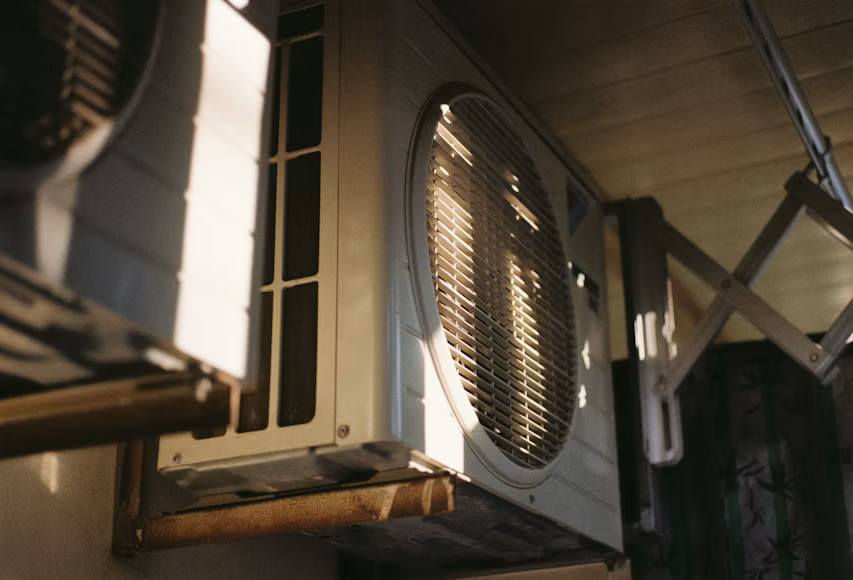
A permanently installed central air system, including its outside condenser and connected components, is commonly treated as part of the dwelling because it is built into the home. A removable window unit or portable air conditioner is more likely to be considered personal property. That distinction can affect which coverage limit and deductible apply. The contract’s definitions control, and a homeowner should not assume that an item belongs to Coverage A just because a technician calls it an HVAC system.
The Maryland Insurance Administration’s consumer guide describes a homeowners policy’s dwelling and personal-property coverages, while the standard HO-3 form defines what is covered under each section. Use those sources to understand the structure, then check the exact policy and any endorsement. If an AC unit serves a detached garage, belongs to a landlord, or is installed in a condominium, the ownership and policy form add questions that a general home policy example cannot resolve.
The same physical event can affect the building and belongings differently. A tree branch may damage an outdoor condenser, a window unit, siding, and furniture at once. The insurer may need separate estimates and evidence for each item. Write down which unit was damaged, whether it was attached or portable, its model and serial number, and where it sat. Photograph the full location and close details before cleanup or removal when safe.
Covered damage versus a mechanical breakdown
| What happened | Possible policy treatment | What to check |
|---|---|---|
| Lightning or fire damages a condenser | May qualify as direct physical loss if covered terms apply | Cause, exclusions, deductible, and repair scope |
| Hail or a falling object damages the unit | May be covered under the dwelling section, depending on facts | Visible impact, unit ownership, and issued policy |
| Compressor stops after years of use | Usually a wear or mechanical-breakdown question | Exclusions, warranty, and any equipment-breakdown endorsement |
| Floodwater reaches outdoor equipment | Standard homeowners coverage commonly excludes flood | Separate flood policy or endorsement |
| Unit is stolen or deliberately damaged | Theft or vandalism provisions may apply | Location, reporting, exclusions, and proof of ownership |
The table describes possible categories, not claim outcomes. The HO-3 form hosted by Maine’s regulator provides open-peril coverage for the dwelling subject to exclusions and listed named perils for some personal property. It excludes wear and tear and mechanical breakdown. If the unit was exposed to water or an electrical event, identify what physically happened and ask the insurer which clause it is applying. A failed part by itself may not show whether an outside event caused the failure.
Do not describe an age-related failure as lightning damage unless a qualified technician can support that conclusion. Ask the technician to record the failed component, visible damage, test results, and any alternative causes considered. Keep the invoice and any replaced parts if practical, and ask the insurer whether inspection is needed before disposal. This creates a useful factual record without promising that a particular report or weather log will prove coverage.
A home warranty and equipment-breakdown coverage
A home warranty is a service contract, not the same product as homeowners insurance. The Texas Department of Insurance says a warranty may cover certain items when they break from normal wear and tear, depending on that contract. It does not automatically cover every system, every repair, or the full replacement cost. Review service fees, exclusions, waiting periods, contractor rules, and claim limits before relying on it.
Equipment-breakdown coverage is an insurance endorsement that may add protection for certain mechanical or electrical failures. The NAIC’s insurance terms tool lists central air and heating systems among examples of equipment that such coverage can address. The endorsement’s limits, deductible, covered causes, and exclusions vary by insurer. Do not assume a standard homeowners policy includes it just because the declarations page lists a dwelling limit.
| Option | What it is designed to address | Contract to review |
|---|---|---|
| Homeowners insurance | Damage from a covered peril, such as a sudden fire or other covered event | Policy form, exclusions, deductible, and endorsements |
| Home warranty / residential service contract | Certain breakdowns from normal use, as defined in the service contract | Service fee, covered items, caps, and contractor rules |
| Equipment-breakdown endorsement | Certain mechanical or electrical breakdowns added to the insurance policy | Endorsement, limit, deductible, and exclusions |
These products can overlap, but the terms decide which one responds. A service contract could exclude a pre-existing condition or limit labor; an endorsement could have a separate deductible; a homeowners claim could be denied if the cause is excluded. Ask each provider how it handles the actual failure, what documentation it wants, and whether another contract is primary. Compare written terms before buying anything or authorizing work.
What an AC repair or replacement may cost
Sears Home Services’ 2026 article gives a broad central-air replacement range of $3,000 to $7,500. It also describes the “$5,000 rule”: multiply the system’s age by the repair estimate and compare that result with $5,000 as one way to think about repair versus replacement. That is the company’s rule of thumb, not a code requirement or insurance standard. It does not account for every home, equipment size, energy choice, or contractor quote.
Fixr’s 2026 repair guide lists compressor replacement at about $800 to $2,800, with an average near $1,550. That is a component repair estimate and should not be confused with a complete AC replacement. Location, refrigerant requirements, access, parts availability, and system design can shift a local estimate. A 2,000-square-foot home does not have one automatic replacement price; the cited Sears page does not give a figure specifically for that floor area.
| Work | Published estimate | Source |
|---|---|---|
| Central AC replacement | $3,000–$7,500 range in the 2026 article | Sears Home Services |
| Compressor replacement | $800–$2,800; about $1,550 average in the 2026 guide | Fixr |
| Diagnosis and service | Ask a local licensed HVAC company for a written diagnostic and repair scope | Your contractor’s estimate |
Get the diagnosis and itemized quote in writing. Ask whether the proposed work repairs a failed component or replaces the whole system, and whether the quote includes labor, permits, disposal, and any electrical work. Keep the model and serial number, purchase records, maintenance invoices, and the technician’s report. For an insurance question, send the same facts to the insurer and ask which part of the estimate relates to the claimed event.
If hail, a tree, or lightning is suspected
Photograph the whole outdoor area and the condenser from several angles. Include nearby branches, dents, broken panels, scorch marks, or damaged wiring only if you can do so without touching hazardous equipment. Write down when you first saw the damage and whether the system was running before the event. Save the technician’s diagnosis, the repair estimate, and any proof of purchase. Do not energize a unit that may have electrical damage until a qualified technician says it is safe.
An inspection can help distinguish impact or electrical damage from age, corrosion, blocked airflow, or a pre-existing malfunction. Ask the technician to describe observations and tests rather than simply label the loss “storm damage.” The sources used for this guide do not establish that a storm database entry alone proves a lightning strike at one address. If you think lightning caused the damage, ask the insurer what evidence it accepts, and keep the technician’s findings factual.
Report a potential covered loss according to the policy’s notice requirements. If you are unsure whether a phone call opens a claim, ask before authorizing a formal notice. Keep any claim reference, inspection appointment, and written coverage explanation. For a wider discussion of whether a small claim is worth filing, see how a claim may affect renewal pricing and use the claim calculator as a rough scenario tool.

Before you authorize replacement
Ask the contractor to separate a safe temporary measure from permanent replacement. A repair may restore cooling while the cause is investigated; a full replacement can make it harder to inspect the damaged equipment after removal. The contract may require reasonable steps to prevent additional damage, but that does not mean a homeowner must leave the home unsafe or without necessary repairs. Keep removed parts if practical, photograph them, and ask the insurer whether it wants an inspection. If you do file, our step-by-step guide to filing a homeowners claim explains what to document and what to ask the adjuster.
Compare the repair estimate with the policy’s deductible and any limit that applies. For a covered sudden event, a deductible can make a moderate repair mostly an out-of-pocket cost. For a mechanical failure, the insurance policy may not respond, but a warranty or breakdown endorsement might, if its terms apply. Do not multiply a unit’s age by the repair estimate and treat the result as a coverage decision; the $5,000 rule only compares possible equipment costs.
If the first diagnosis changes after more testing, ask for a revised report that explains the new evidence. Keep the original estimate as well. Tell the insurer what changed, when the contractor discovered it, and whether the replacement is urgent. A clear timeline helps show why the scope expanded. It also helps distinguish a policy question from an equipment choice that belongs between the homeowner and contractor.
Evidence when a storm may have damaged the system
Keep the technician’s report specific. It can identify the failed part, visible impact or electrical damage, test results, and other causes considered. Ask the technician to separate direct observations from an opinion about when the failure began. A report that only says “storm damage” offers less detail than one explaining which marks, wiring condition, or failed components support that conclusion. Keep the service ticket even when the technician cannot determine a single cause.
Save dated photographs of the unit and nearby property, plus any official weather notice or local storm record you can obtain. Those records can help establish a timeline, but a regional storm report does not prove that lightning struck one particular condenser. The policy and claim adjuster still determine what evidence matters. We did not find a verified official source establishing that a storm database entry alone proves a lightning strike at an address, so this guide does not present it as proof. Ask the insurer what it will accept before paying for a report that may not answer its question.
If the equipment is unsafe, do not open panels or handle wiring to collect evidence. Have a qualified HVAC or electrical professional inspect it. Before the equipment is removed, ask whether the insurer wants to see it and take photographs of the model label, installation, and damaged area. If an urgent replacement cannot wait, preserve the written reason, the old unit’s identifying details, and the itemized invoice. That creates a record of the condition without assuming the insurer will reimburse the work.
Frequently asked questions
Frequently asked questions
Can I use homeowners insurance to replace my AC?
It may pay when a covered sudden event damages the unit, subject to policy terms and the deductible. It generally does not pay for age, wear, or an excluded mechanical breakdown.
What is the $5,000 rule for AC?
Sears Home Services describes multiplying a unit’s age by the repair cost and comparing the result with $5,000. It is a budgeting heuristic, not an insurance rule or guaranteed recommendation.
How much does it cost to replace AC in a 2,000-square-foot house?
Sears gives a broad central-air replacement range, not a price tied specifically to a 2,000-square-foot home. Layout, system design, equipment, and labor change local quotes.
What are three things home insurance does not cover?
Standard policies commonly exclude wear and tear, flood, and earthquake damage, though endorsements or separate policies can change protection. Check the contract issued for your home.
Sources
- Homeowners 3 — Special Form, HO 00 03 05 11 — Maine Bureau of Insurance
- A Consumer Guide to Homeowners Insurance — Maryland Insurance Administration
- A home warranty is not home insurance — Texas Department of Insurance
- Other Insurance Terms — National Association of Insurance Commissioners
- Cost to Replace an Air Conditioner (2026) — Sears Home Services
- AC Repair Cost Guide — Fixr
CoverClaro explains insurance. We do not sell insurance or give personal advice. Your policy and insurer determine your coverage.