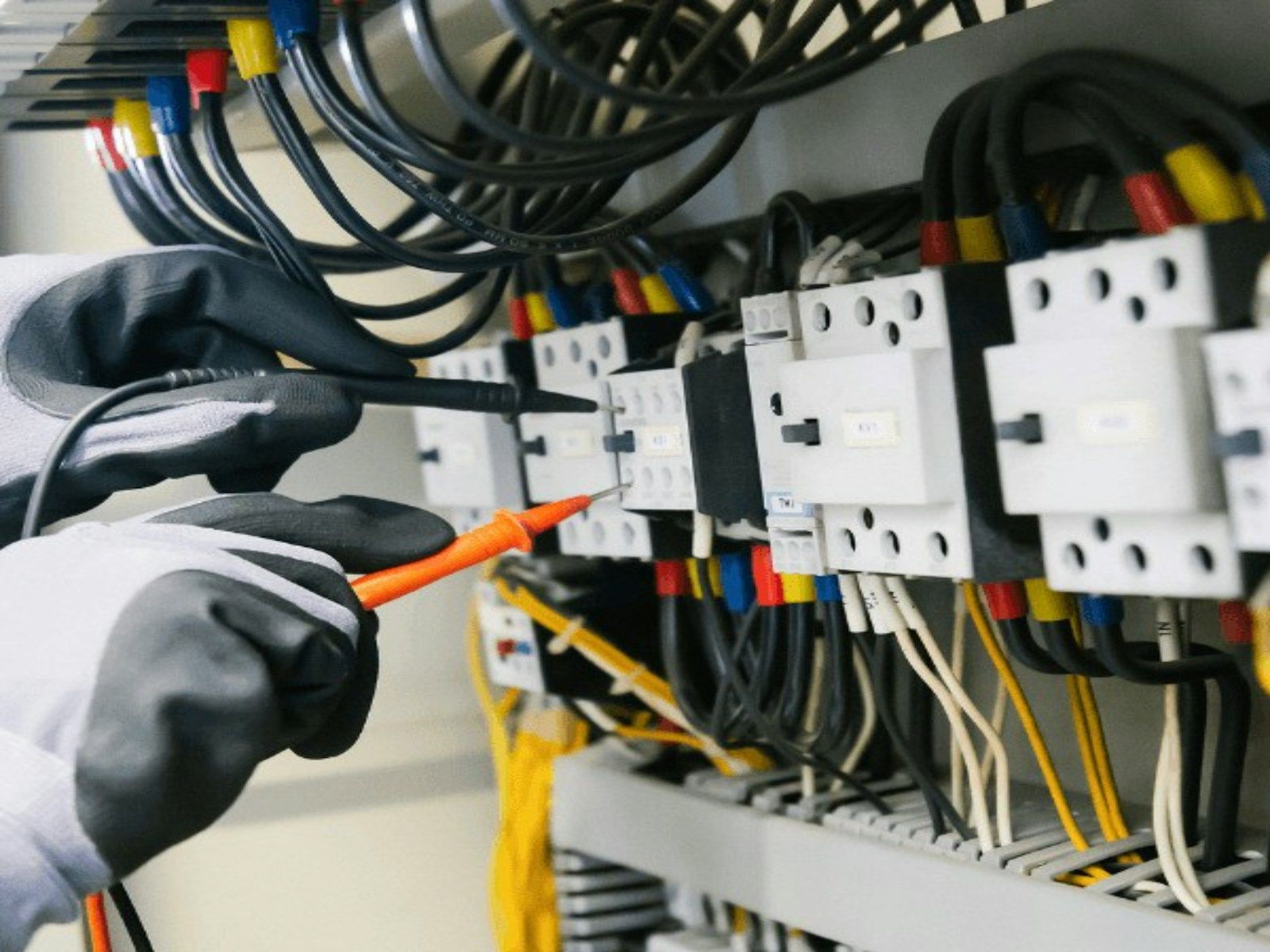
Short answer: You need to show what caused the surge and what it destroyed. Get a written report from a licensed electrician or repair technician linking the failure to a surge, take photos of damaged devices and the panel, and keep receipts. If lightning hit nearby, storm records help. Some grid surges can be claimed with the utility.
How do you prove power surge damage to your insurance company?
You build a short chain of evidence: something caused a surge, the surge reached your home, and it damaged specific things. Insurers rarely dispute that a television or a router is dead. They question why. A claim that says “my electronics stopped working after the storm” is easy to deny or undervalue, and a claim that says “a licensed electrician found these burn marks at the panel, here is the repair technician’s report on each device, here are the dated photos and the storm record” is much harder to wave away.
Whether the claim is covered at all depends on the cause, and we will sort the causes below. Whether it gets paid depends mostly on proof. If you want the background on how a standard HO-3 policy separates covered events from excluded ones, start with our plain-English guide to what homeowners insurance covers. If you already have damage, jump to the steps and the evidence table.
Which causes of a surge are covered?
Lightning. A strike on or near your home is the textbook case. Lightning is a named peril for your belongings on an HO-3, and for the house itself, the open-perils coverage generally responds to lightning damage unless an exclusion applies. If a strike fried the television, the router, the garage door opener, and the control board on the air conditioner, that is typically a covered loss, subject to your deductible and limits.
A surge from the power grid. A transformer failure, a downed line, utility switching, or a brief spike when power is restored can send a surge through your wiring. Policies treat these differently. The ISO homeowners form lists sudden and accidental damage from artificially generated electrical current as a named peril for personal property, with limits on certain electronic components, and some insurers write their own wording. Others exclude or limit it. That is why asking your insurer how it treats a utility-side surge, in writing, is worth the effort.
A surge from inside your house. Faulty wiring, a failing appliance, or a bad connection can create a surge or electrical damage with no storm involved. Insurers may treat that as wear and tear, a mechanical or electrical breakdown, or a maintenance problem. If an electrician finds old or failed wiring as the cause, expect more resistance.
What does a surge claim cover: the house or your stuff?
Two parts of your policy can respond, and they work differently. Things that are part of the house, such as wiring, the electrical panel, built-in appliances, a central air conditioner, a ceiling fan, and the water heater control, fall under dwelling coverage, which generally protects against direct physical loss unless excluded. Loose items, such as televisions, computers, game consoles, and plug-in appliances, are your personal property, which is covered only for the named perils in your policy. That is why lightning is often easier than a grid surge for belongings.
Settlement is the other piece. Personal property may be paid at actual cash value, which subtracts depreciation for age and wear. A six-year-old television does not come back at today’s price. Some policies pay replacement cost on belongings, usually with an endorsement. Check which applies, and see our guide on air conditioners and HVAC for how a surge-damaged central air system fits in.
What evidence do you need?
The best evidence is specific, dated, and from someone other than you.
| Evidence | Why it helps | How to get it |
|---|---|---|
| Written report from a licensed electrician | Links the damage to a surge and finds the point of entry, such as the panel, a service line, or a circuit | Call before anything is repaired. Ask for a written report with findings, not only an invoice |
| Repair technician reports on each device | States that the failure is consistent with a surge, such as a burned board or a blown power supply | Ask the technician to put in writing what failed and why they believe a surge caused it |
| Photos and video | Burn marks, melted outlets, scorched cords, the tripped breaker or panel, the surge protector’s status light | Take them before cleanup, with the date and time on your phone |
| Surge protector or power strip | Shows whether protection was in place and failed | Keep the unit. Do not throw it away |
| Date and time of the event | Ties the damage to a storm or an outage | Write down what you saw, heard, and when, such as a flash, a bang, flickering lights |
| Storm records | Show lightning or severe weather near your address that day | Ask your insurer what it checks. Public weather service records and local reports may help |
| Utility notices and outage reports | Show grid events near you around the time of the damage | Ask the utility for an incident or outage report for your address and date |
| Receipts, serial numbers, and photos of the devices before | Support what you owned, its age, and its value | Pull receipts, order histories, and photos, and list model and serial numbers |
Do not guess about the cause in your first call to the insurer. Say what you saw and when, and let the electrician’s report describe the cause. Our guide on what not to say to an adjuster explains how to stay accurate.
What to do right now after a surge
After you suspect a power surge
- If you smell burning or see scorching, stay away from the area and call emergency services or the utility. Do not reset a tripped main breaker or touch wet or scorched equipment.
- Unplug sensitive electronics and appliances that still work, so a second surge or a restored power spike cannot hit them.
- Photograph and film every damaged device, outlet, cord, and the panel, with the date visible. Keep damaged items. Do not throw anything away.
- Call a licensed electrician to inspect the panel, the wiring, and the service line before anything is repaired. Ask for a written report.
- Ask repair technicians or the manufacturer to inspect damaged appliances and put their findings in writing.
- Report the loss to your insurer promptly. Give the facts and ask which cause the policy would apply. Our guide to filing a homeowners claim has a call log and a checklist.
- Ask the utility for any incident report, and ask whether it has a claims process, if a grid problem is possible.
When does a claim against the utility make sense?
A utility is not automatically responsible for every surge. Many utilities limit their liability in their approved tariffs or terms of service, and surges can come from sources outside a utility’s control, such as lightning. A claim against the utility tends to make more sense when there is a specific, documented event: a transformer failure on your street, a downed line, work on the system that evening, or a restoration spike that is on record. Ask for the outage and incident report for your address and date, and if the utility has a claims process, file a written claim describing what happened, with the same evidence you would give your insurer.
You can pursue both paths. Tell your insurer what you are doing, because if the utility pays, your insurer may want a share or may pursue recovery itself. If the insurer pays first, it may ask the utility for reimbursement, a process called subrogation, and may refund your deductible if it recovers. We explain that in our guide on water damage from an upstairs neighbor, where the same idea applies.
| Situation | Possible outcome | Why |
|---|---|---|
| Lightning strikes near the house and burns out the TV, router, and AC control board | Usually covered | Lightning is a named peril for belongings and a covered cause for the house. Proof of the strike and a technician report help. |
| A transformer on your street fails and spikes the power; electronics die | Depends | Depends on your policy’s electrical current wording and limits. The utility may also be responsible, so ask both. |
| A surge fries a built-in oven and the electrical panel | Often covered if the cause is covered | Built-in items fall under dwelling coverage. An electrician’s report on the cause decides it. |
| Old wiring fails and damages a fridge and outlets | Usually not covered | Wear, age, and electrical breakdown can be treated as maintenance. Resulting fire damage is a separate question. |
| Power is out for days after a storm; food spoils | Usually not covered | Off-premises outages are generally excluded unless an endorsement covers spoilage. |
| Damage is real but smaller than your deductible | Covered, but pays nothing | A covered loss under the deductible pays zero. Compare the numbers before you file. |
How much does it cost, and should you file?
We are leaving out dollar ranges for repair and replacement because we could not verify figures, and they vary by device. What helps is a clear tally: list each damaged item with its age, estimated replacement cost, and any repair quote, and add the electrician’s invoice. Then compare the total with your deductible. As an illustration with made-up numbers: if a lightning strike destroys $3,800 of electronics and equipment and your deductible is $1,000, and the policy pays depreciated value that reduces that total to $2,900, the check would be about $1,900. If the same loss were $1,200 after depreciation, it would pay $200, and the premium effect could outweigh it. Our claim calculator does the comparison with your numbers, and our guide to premiums after a claim explains how claims history works.
Some items may be covered under a manufacturer’s warranty, an extended warranty, a credit card benefit, or a home warranty, though some exclude surge or lightning damage, so read the exclusions. Our guide on home warranty versus homeowners insurance explains where each one fits.
Two real scenarios
The lightning strike. During a summer storm, Ana hears a bang and the lights flicker. Her television, router, and the AC board are dead. She photographs the burn marks on an outlet, keeps the fried power strip, and calls an electrician, who writes that the panel shows surge damage consistent with a nearby strike. A repair technician confirms the AC board failed from an electrical surge. Ana reports the claim with the reports and photos and her insurer pays the covered items at depreciated value, minus the deductible.
The restoration spike. After a neighborhood outage, Leo’s power returns with a surge and burns out a refrigerator and a computer. There was no storm. His electrician finds the home wiring sound, and the utility confirms transformer work in the area that evening. Leo files with his insurer and, separately, sends a written claim to the utility with the outage report. The insurer’s answer depends on its electrical-current wording; the utility reviews the claim. Having both on the table improves his chances of recovering something.

What if the insurer says the cause was old wiring?
This is the most common pushback. The insurer may point to the age of the panel or the wiring and say the damage came from wear, not from an outside surge. The answer is the electrician’s report. Ask whether the findings show an outside event, such as burn marks at the service entrance or on several unrelated circuits at once, or whether they show a localized failure. If the electrician finds an outside surge, ask them to say so plainly and to say what they observed. If they find a wiring defect, you at least know where you stand and can ask the insurer about any resulting damage separately. Keep every report, and if you disagree with the insurer’s conclusion, ask for its report and the policy wording it relied on.
How do you protect your home from the next surge?
A whole-house surge protective device installed by a licensed electrician at the service panel handles surges that enter through the power line, and plug-in surge protectors protect individual devices at the outlet. They do not make a house immune to a direct lightning strike, and protectors wear out and should be checked or replaced as the manufacturer advises. We are not quoting prices because we could not verify them. Ask an electrician what is recommended for your panel and your area, keep the receipts, and keep the model and installation date, because a documented protector shows an adjuster that you took reasonable steps.
For equipment that is expensive to replace, such as a central air system, ask your agent whether an equipment breakdown endorsement is available, and unplug sensitive electronics during a severe storm when it is safe to do so. For other topics in this area, see our Appliances & Systems category.
Frequently asked questions
How much is the average power surge claim?
There is no figure we can point to with confidence. A claim can be a single television or a whole set of appliances, wiring, and a central air system, and payouts depend on your limits, your deductible, and whether the policy pays replacement cost or depreciated value. Compare your own total with your deductible before deciding.
Will insurance cover power surge damage?
Often, if the surge came from a covered cause such as lightning. A surge from the power grid or from faulty wiring is less certain and depends on your policy wording. Electronics may also be limited by how the policy treats electrical damage and by depreciation. Ask your insurer which cause applies to your loss.
Can you claim damage from a power surge?
Yes, you can file a claim, but you will need to show what caused the surge and what it damaged. A written report from a licensed electrician or repair technician, photos, receipts, and any storm or utility records are the core evidence.
Who pays for power surge damage?
It depends on the cause. Lightning is generally an insurance matter. A surge that traces to the utility, such as a failed transformer or utility work, may be a claim against the utility, although utilities often limit their liability. Wiring or equipment inside your home is usually a maintenance question for you or your policy.
Sources
- Power surges — Progressive
- Power surge damage — Allstate
- Power surge damage — American Family Insurance
- Homeowners 3 — Special Form, ISO form HO 00 03 05 11 — Maine Bureau of Insurance
CoverClaro explains insurance. We do not sell insurance or give personal advice. Your policy and insurer determine your coverage.