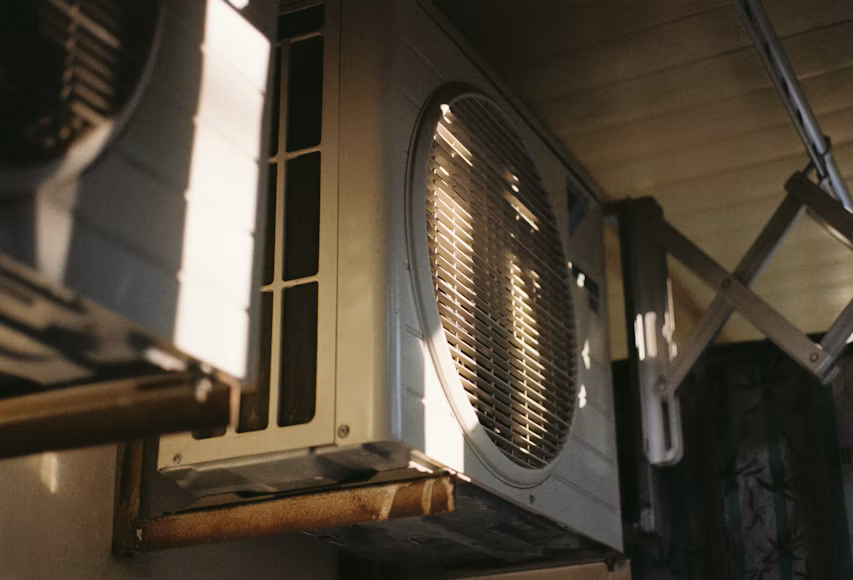
Short answer: Usually not for a furnace that simply wore out or broke down; that is maintenance, which homeowners insurance excludes. It can pay if a covered event damaged it, such as a fire, a lightning strike or a power surge from lightning. A home warranty or manufacturer warranty is more likely to cover a normal breakdown.
The short answer: a breakdown is different from a covered loss
Homeowners insurance is not a maintenance plan for a furnace. If a burner, blower motor, control board, heat exchanger, or other component fails because it is old, worn, corroded, or defective, a standard policy generally does not pay simply because the repair is expensive. The policy responds to covered causes of physical loss, subject to the wording, exclusions, deductible, and limits. That is a different question from whether the furnace has stopped heating.
The California Department of Insurance’s homeowners guide lists common covered causes such as fire and lightning, and common exclusions such as wear and tear and maintenance. The NAIC’s homeowners shopping tool tells consumers to ask whether a policy includes equipment-breakdown coverage and whether deterioration or wear is excluded. Those are useful distinctions, but your issued policy and endorsements decide your claim. “My furnace is broken” describes a condition; it does not identify the event that caused it.
Think of a furnace as part of a larger heating system. The system may include the furnace cabinet, burner or electric heating elements, a heat exchanger, blower, thermostat, electrical feed, fuel line, flue, ducts, and connected water or condensate piping. A covered event may damage one component, several components, the home around it, or none of the system itself. Ask the technician to separate what failed from what was damaged as a result.
A three-part way to sort the claim
Before deciding whether to file, separate the event into three questions. First, what stopped working? Second, what caused that failure? Third, did the same event damage other insured property? A homeowner who skips the second question can confuse the need for replacement with proof of an insured cause.
| What you find | Why it matters | What to document |
|---|---|---|
| A component failed internally after years of service | Often points to wear, age, or mechanical breakdown | Technician’s inspection, model and serial information, service history |
| Fire or a direct physical event damaged the furnace | May support a covered-peril claim, depending on the contract | Photos, fire report if one exists, repair estimate, cause findings |
| A lightning-related surge damaged controls or nearby equipment | Coverage depends on cause and policy wording | Electrician or HVAC report, outage or storm records, damaged parts |
| A frozen pipe or heating line split and released water | The resulting water loss and the equipment failure may be evaluated separately | Timeline, photos, temperatures only if documented, plumber’s report |
This is not a coverage promise. It is a way to organize facts before speaking with the insurer. The same event can produce more than one coverage question. For example, a furnace may be beyond repair because of age while a separate covered fire damages the surrounding wall. The age-related equipment replacement and the fire damage to the home should not be described as one undifferentiated cost.
When insurance may pay
Fire or direct physical damage
If a covered fire damages the furnace, wiring, ducts, or nearby structure, the policy may pay for covered repairs after applying the contract terms. The insurer may ask for a fire department report, photographs, an inspection, and itemized repair estimates. The claim still depends on the cause, whether an exclusion applies, and whether the item is insured under the dwelling or another part of the policy. A fire that starts in an old furnace does not automatically make every replacement cost payable; the origin and policy wording matter.
Lightning and electrical surge
A lightning strike can cause direct damage, and an electrical surge associated with lightning may damage a furnace’s controls or motor. A failure that happens after a utility interruption is not by itself proof that lightning caused it. Ask a qualified HVAC technician or electrician to put observations in writing: which parts failed, whether there is evidence of electrical damage, and what cause the professional can or cannot identify. Do not ask anyone to state a cause they did not observe.
The claim for a furnace may differ from a claim for a television or refrigerator because equipment, wiring, and policy language differ. Check the electrical-damage exclusions and any special limit or endorsement. Our power-surge guide explains what proof can help establish a surge claim. If the insurer says the evidence does not connect the surge to a covered event, ask for the decision and the policy language in writing.
Freezing and water damage
If freezing damages a heating or plumbing system, the loss may involve the failed pipe, the furnace or boiler, and water-damaged floors or walls. Some policy forms address freezing of plumbing or heating systems and condition coverage on reasonable care, while other provisions address the resulting discharge of water. The contract matters; do not assume that “freeze damage” is either fully covered or fully excluded. A sample form is only an example and is not a substitute for your own policy.
Keep the evidence divided by component. A plumber can describe the pipe break and the water source; an HVAC professional can describe whether the furnace itself was damaged; a mitigation contractor can itemize drying and removal. If the home was vacant, heat was turned off, or a thermostat malfunctioned, give the insurer the accurate circumstances and ask how those facts affect the policy condition. Do not alter the timeline or omit facts to fit a coverage theory.
Vandalism, a falling object, or another listed cause
The brief event that causes damage can matter more than the name of the equipment. Depending on the policy, a covered vandalism event or an object that strikes the system may cause direct physical damage. A unit in a detached shed or exterior location can raise questions about which coverage section applies. The declarations page and the policy’s definition of the dwelling and other structures can help identify the applicable limit. Avoid deciding coverage from a general list online; ask the insurer to identify the provision for the actual location and cause.
When the policy usually does not replace it
Routine wear, age, gradual deterioration, corrosion, a defect, and a component that simply stops operating are not the same as fire or lightning damage. The NAIC consumer shopping tool separately asks policyholders to check equipment-breakdown coverage and deterioration exclusions. This is a reminder to inspect the policy, not an assertion that every company sells the same endorsement. When a breakdown endorsement exists, it may add protection for mechanical or electrical breakdown subject to its own definition, exclusions, waiting periods, and limits.
Poor maintenance can complicate a claim. A clogged filter, neglected service, blocked drain, or known malfunction may be relevant if it contributed to the loss or falls under a contract condition. The policyholder should preserve maintenance invoices and inspection records, but should not present routine servicing as proof that a covered event happened. If you do not have records, say so. A missing invoice does not by itself prove neglect, and an old maintenance record does not by itself prove coverage.
Defective installation and faulty workmanship are separate issues too. A manufacturer, installer, builder, or service contractor may have a warranty or legal responsibility, but insurance exclusions and the policy’s ensuing-loss wording determine what the insurer considers. Ask for an itemized estimate that separates correcting the defect from repairing any resulting damage. If the decision is unclear, request the exact exclusion and any exception the insurer considered.
A realistic example: a $9,000 replacement estimate
Suppose an HVAC company estimates $9,000 to replace a furnace after diagnosing a worn blower motor and a heat exchanger that has reached the end of its service life. The amount is an illustrative quote, not a current market average. If there is no covered event and the policy has no applicable equipment-breakdown endorsement, a large estimate alone does not convert the repair into an insured loss. The homeowner would compare the manufacturer’s warranty, a service contract, and out-of-pocket repair options.
Now change one fact: a lightning event is documented, and a technician finds surge damage to the control board. The insurer might evaluate the damaged component under the policy, but that would not automatically make every old part eligible for replacement. A second change produces a different issue: a fire damages the furnace and surrounding framing. The estimate should separate system replacement, structural repair, smoke cleanup, and any code work. Coverage and settlement may differ for each line.
Finally, suppose the furnace itself is old but a frozen pipe connected to the heating system bursts and wets the basement. The pipe, the furnace, and the basement contents are three distinct items. The policy could treat them differently based on the freeze condition, the cause of the water, the equipment breakdown exclusion, and the property coverage. Do not use the total contractor invoice as a substitute for a cause-based estimate.
The furnace replacement amount is not always the payment
Even when an event is covered, the settlement method affects the check. A policy can settle damaged property at actual cash value or replacement cost, and the two are not interchangeable. Replacement-cost provisions may involve an initial payment and later consideration of recoverable depreciation after qualifying repair or replacement. A furnace also can be subject to a limit, deductible, or coverage section different from the building materials around it. See replacement cost versus actual cash value for the payment mechanics.
Read the declarations page, then the loss-settlement section, exclusions, and endorsements. Search for terms such as “mechanical breakdown,” “equipment breakdown,” “wear and tear,” “electrical current,” “freezing,” “replacement cost,” and “other structures.” Ask the insurer to identify the form number and edition that apply. If an endorsement changes the standard wording, request the full endorsement rather than relying on a summary in a quote or renewal letter.
What equipment-breakdown coverage changes
Equipment-breakdown protection is an add-on or separate policy feature that addresses some sudden breakdowns of household systems. The NAIC’s glossary material describes equipment-breakdown coverage as applying to systems such as central air or heating, while its shopping tool recommends asking whether the feature is part of the policy. The exact product varies. Check what “breakdown” means, whether the covered object includes the furnace and controls, and what kinds of failure are excluded.
Compare the endorsement with a home warranty or service contract. A home warranty is a service contract, not homeowners insurance. The Federal Trade Commission cautions consumers to read the contract because plans may cover only part of an item or may contain terms that affect access to service. Our guide to home warranty versus homeowners insurance explains the distinction. A manufacturer warranty may apply to a specific part for a stated term, but it may not pay labor, consequential damage, or a full system replacement. Keep each contract and ask which one should receive notice first.
What to do before filing or replacing the furnace
- Make the area safe and get qualified help. Follow emergency instructions from appropriate local authorities if there is fire, a gas concern, or an alarm. Do not open or repair combustion equipment yourself. Arrange a qualified HVAC inspection.
- Record the condition before disposal. Photograph the equipment, visible damage, the model label, and surrounding areas from a safe position. Keep removed parts if the contractor says they can be safely retained and the insurer wants to inspect them.
- Ask for a cause-focused report. Request the technician’s observations, tests performed, failed components, likely cause, and any uncertainty. A sales quote that only says “replace furnace” may not answer the insurance question.
- Notify the insurer promptly if a covered event may be involved. Give a truthful timeline and ask whether an inspection should happen before permanent replacement. Take reasonable steps to prevent additional damage, and save receipts.
- Get a line-item estimate. Separate equipment, labor, code-related work, damage to the home, temporary heating, and maintenance. Do not include work unrelated to the event in a claim estimate.
- Compare the correct contracts. Review the homeowners policy, equipment-breakdown endorsement, manufacturer warranty, and any service contract. Ask each provider about notice requirements and keep the responses.
What to ask the adjuster
Keep the questions specific: “What cause of loss did the inspection identify?” “Is the furnace itself covered, or only resulting damage to the home?” “Does an equipment-breakdown endorsement apply?” “Which deductible, limit, and settlement method are being used?” “What evidence would change the cause assessment?” Ask for the answer and policy references in writing. If only one portion is denied, ask whether the undisputed property damage can be adjusted separately.
If a claim is denied, read the explanation before commissioning major work. You can submit a written response with new, relevant evidence such as a technician’s report, dated service records, or an itemized estimate. Explain which factual point the new evidence addresses. If you still disagree, ask about the insurer’s internal appeal process and contact your state insurance department for consumer guidance. The steps and available remedies differ by state; this guide does not determine legal rights.
Does a home warranty make more sense?
For a normal mechanical breakdown, a manufacturer warranty or service contract is often the more relevant place to check because it is designed around repair service rather than a covered catastrophe. But do not assume every furnace is covered. Read the contract for age restrictions, pre-existing conditions, maintenance requirements, service-call charges, parts and labor limits, replacement discretion, and who chooses the contractor. The FTC’s consumer guidance notes that a home warranty is a paid service contract and that terms can vary significantly.
Do not buy a contract based only on a promise that it will pay for an old furnace. Ask for the actual contract before paying and identify the covered system by type and component. Compare the price of the contract with the deductible, service fees, exclusions, and your ability to pay for a repair. A service contract can deny a claim that falls outside its written terms, just as an insurance policy can exclude a loss that is not covered.
The practical bottom line
If the furnace failed from ordinary age or mechanical wear, standard homeowners insurance usually is not the replacement fund. If fire, lightning, a covered surge, freezing, vandalism, or another covered event caused physical damage, the policy may respond—but the event, evidence, policy wording, and damage to other property all matter. Get a written diagnosis, separate the equipment from resulting damage, check endorsements, and ask the insurer to explain the applicable form before treating the repair estimate as a promised payment.
Frequently asked questions
Will homeowners insurance replace an old furnace?
Not just because it is old or has reached the end of its useful life. A covered, sudden event must cause the damage, and the policy's exclusions, limits, deductible, and settlement terms apply.
Does homeowners insurance cover a furnace that stops working?
A system that stops because of ordinary mechanical failure or wear is generally a maintenance or service-contract issue. Ask whether your policy has an equipment-breakdown endorsement, which is separate from standard coverage.
Does insurance cover a furnace damaged by lightning?
It may, if lightning or a related surge is a covered cause under your policy and the evidence connects it to the damage. Keep the technician's written findings and ask the insurer which policy provision applies.
Is a furnace covered by a home warranty?
A home warranty is a service contract that may include heating systems, but what it pays for depends on its written terms, exclusions, service fees, and limits. Review the contract and the manufacturer's warranty before filing.
Sources
- Residential Insurance: Homeowners and Renters — California Department of Insurance
- Ask Your Agent about Insurance Options — National Association of Insurance Commissioners
- So what’s the deal with ‘home warranties’? — Federal Trade Commission
CoverClaro explains insurance. We do not sell insurance or give personal advice. Your policy and insurer determine your coverage.