Short answer: A standard homeowners policy (HO-3) pays to repair or rebuild your house, other structures, and belongings after sudden, accidental damage like fire, wind, hail, or a burst pipe. It also covers liability, guest medical bills, and hotel costs if you can’t live at home. Floods, earthquakes, wear and tear, and neglect are excluded.
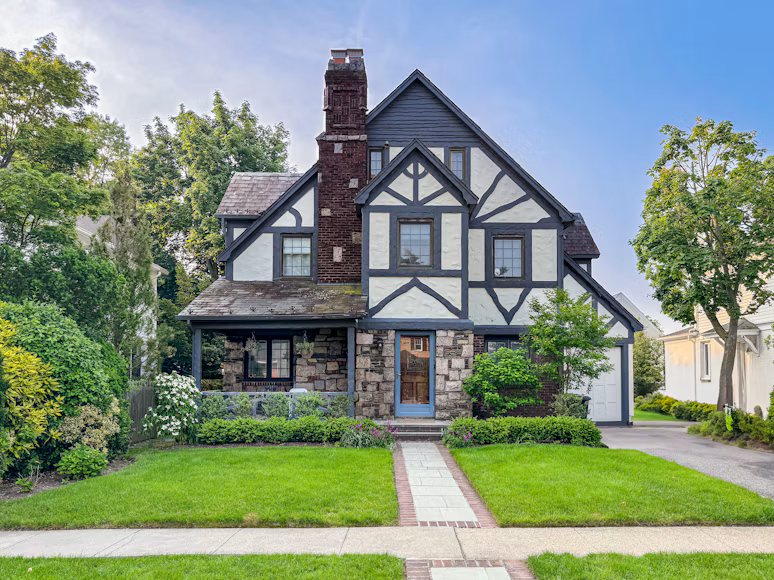
What a standard homeowners policy is designed to do
A homeowners policy is a contract that can pay for certain property losses and legal responsibilities, up to its limits and subject to its exclusions. A familiar U.S. package is the HO-3, sometimes called the Special Form. The U.S. Government Accountability Office describes the HO-3 as a combination: broader open-peril protection for the dwelling, and named-peril protection for personal property. Insurers can use different editions, endorsements, definitions, and limits, so an HO-3 label is a starting point rather than a promise that every loss is covered.
The practical question is not only “what was damaged?” It is also “what caused the damage, which policy section applies, and what wording changes the answer?” A branch can break a roof, crush a window air conditioner, and ruin a sofa in one storm. The building, equipment, and belongings may fall under different coverage limits. One cause can also lead to separate questions about cleanup, access, temporary housing, and a deductible.
Start with the declarations page, then read the policy form and endorsements it lists. Declarations summarize limits, deductibles, named insureds, and dates; the full contract explains the details behind those numbers. Our guide to a claim and renewal premiums covers a different question: whether a claim could affect future pricing. The claim calculator can compare assumptions, but it cannot decide whether a loss is covered.
The six coverage sections, A through F
The labels A through F are a convenient way to read a common homeowners package. They are not six equal buckets, and the limits are not all selected in the same way. The NAIC consumer guide says that limits for other structures, personal property, and loss of use are often expressed as percentages of the dwelling limit, while personal liability and medical-payments limits are chosen separately. It also gives a typical example in which personal property is 50% of dwelling coverage; your issued policy may use a different amount.
| Section | What it generally addresses | A practical example |
|---|---|---|
| A — Dwelling | The house and attached parts, subject to the policy definition | A covered kitchen fire damages cabinets and framing |
| B — Other structures | Covered detached structures on the residence premises | A covered wind event damages a detached shed |
| C — Personal property | Covered belongings, subject to named perils, limits, and item sublimits | A covered fire damages clothes and furniture |
| D — Loss of use | Certain additional living costs when a covered loss makes the home unfit to live in | A family pays temporary lodging while smoke damage is repaired |
| E — Personal liability | Certain claims that the insured is legally responsible for bodily injury or property damage | A visitor is injured and alleges the homeowner was negligent |
| F — Medical payments to others | Limited medical payments for some injuries to guests, without deciding legal fault | A guest needs treatment after an accidental injury at the home |
These examples describe the kind of question each section answers, not a coverage decision. A detached structure used for a business, property rented to someone else, or an item owned by a tenant can raise different terms. The policy definition of “residence premises,” who qualifies as an insured, and any business or rental exclusions may change the result. Check the contract instead of relying on the label alone.
Coverage A: the dwelling
Coverage A is the main limit for the insured house and components treated as part of it. It commonly includes attached structures and built-in systems, but the exact policy definitions decide what belongs in the dwelling. A permanently installed heating or air-conditioning component may be treated differently from a portable appliance. If a covered fire damages a wall and attached cabinets, Coverage A may be the section to examine; a separate estimate may still be needed for personal belongings and temporary living costs.
Set the dwelling limit around the estimated cost to rebuild the structure with similar materials and labor, not the price of the land or the amount left on a mortgage. Reconstruction cost can change when materials, labor, access, or building requirements change. A home with a high sale price may have a lower rebuild estimate in one market, while a modest older house with unusual materials may be expensive to reconstruct. Ask how the insurer calculated its estimate and update it after significant renovations.
Coverage B: other structures
Coverage B addresses qualifying structures that are separate from the main house, such as a detached garage, fence, or shed. A small gap, a connecting fence, or a shared wall does not automatically determine how a policy treats a structure; the policy definition matters. If a covered event damages a detached garage, check its limit separately from Coverage A. Items stored inside the garage may be personal property under Coverage C rather than part of the building limit.
Some detached structures are used for business, rented to others, or used to store property that has a special limit. Those facts can trigger exclusions or sublimits. Photograph the structure and keep repair estimates distinct from contents estimates. If the home has a pool, retaining wall, greenhouse, or outbuilding, look for its exact treatment in the policy and ask whether a separate endorsement or limit applies.
Coverage C: personal property
Coverage C applies to eligible belongings, often both inside the home and in some situations away from it. The policy may cover personal property only when damage comes from a listed peril, even when the dwelling has open-peril coverage. It can also set special dollar limits for categories such as jewelry, cash, tools, firearms, or electronics. A general contents limit does not mean every item is insured for its full replacement price.
A room-by-room home inventory can make this limit easier to assess. Record items, approximate purchase dates, model numbers, and photographs or video. Keep receipts for expensive belongings and store a copy of the inventory somewhere outside the home. If a valuable item exceeds a category sublimit, ask whether it can be scheduled separately and what proof or appraisal the insurer requires. The correct limit depends on the policy, inventory, and chosen settlement terms.
The NAIC guide uses 50% of Coverage A as a typical personal-property example, not a universal formula. Coverage C might be set at another percentage or a chosen dollar amount. Look at the actual declarations and any personal-property endorsement. A renter’s or roommate’s belongings may not be covered under the homeowner’s limit simply because they are inside the house.
Coverage D: loss of use
Coverage D may help with certain extra living expenses if a covered loss makes the home unfit to live in, subject to the policy’s terms and limit. It is not a routine moving allowance. The policy may compare extra costs with the household’s normal expenses and may define when a home is uninhabitable. A hotel, added meal costs, or temporary rental could be relevant, but only if the loss and expense meet the contract.
Keep receipts and ask what the insurer needs before committing to a long stay or lease. Save the repair timeline and any official instruction to leave the home. Coverage can be limited by time, amount, or the period reasonably required to repair. If only one room is unusable, the policy may treat the situation differently from a fire that makes the entire home unsafe. Do not assume inconvenience alone activates this coverage.
Coverage E: personal liability
Personal liability can respond to certain claims that an insured is legally responsible for bodily injury or property damage. For example, a visitor who falls on an icy walkway might seek payment for an injury. The policy may provide a defense as well as covered damages, subject to exclusions and limits. A dispute over an accident is not the same as a property claim for damage to the homeowner’s own belongings.
Liability protection has exclusions and conditions too. Intentional injury, some vehicle or business activities, and certain animal or watercraft situations can be treated differently. Read who counts as an insured, what counts as an occurrence, and how the policy handles legal defense costs. Tell the insurer promptly if a demand or lawsuit arrives, and do not assume that a friendly conversation with the injured person settles the insurer’s obligations.
Coverage F: medical payments to others
Medical-payments coverage is a smaller benefit for certain medical bills after an accidental injury to a guest. It may apply without deciding whether the homeowner was legally at fault, but that does not make every medical expense eligible. The policy sets a limit per person or event and defines who qualifies as “others.” The insured and resident family members are generally treated differently from guests.
This section is separate from liability. A visitor might first ask about medical payments, then later make a liability claim if they believe negligence caused the injury. Give the insurer accurate information and preserve incident records. Do not promise that a particular expense will be reimbursed before the insurer reviews the policy and facts.
Open perils and named perils are different tests
An open-peril provision covers direct physical loss unless the contract excludes the cause. “Open” does not mean every imaginable event is covered. Exclusions, conditions, limits, and duties after a loss still apply. The GAO report explains that an HO-3 commonly uses this approach for the dwelling, with personal property covered against named perils. A named-peril provision starts from the opposite direction: the cause generally must appear on the list in the policy.
That difference can matter when a homeowner cannot immediately identify a cause. If a pipe suddenly ruptures behind a wall, the dwelling section may be analyzed under its open-peril language, followed by a review of exclusions and conditions such as freezing or neglect. For belongings, the insurer may ask whether the water event matches a named peril. The same facts do not automatically produce the same answer for every damaged item.
The GAO lists 16 named perils used in its description of the HO-3 personal-property coverage. The exact issued form controls, but the list is a useful reading aid:
- Fire or lightning.
- Windstorm or hail.
- Explosion.
- Riot or civil commotion.
- Aircraft.
- Vehicles.
- Smoke.
- Vandalism or malicious mischief.
- Theft.
- Falling objects.
- Weight of ice, snow, or sleet.
- Accidental discharge or overflow of water or steam from plumbing, heating, air-conditioning, sprinkler systems, or an appliance.
- Sudden accidental tearing apart, cracking, burning, or bulging of certain steam or hot-water heating, air-conditioning, sprinkler, or water-heater systems.
- Freezing of specified plumbing, heating, air-conditioning, sprinkler systems, or appliances, subject to policy conditions.
- Sudden accidental damage from artificially generated electrical current.
- Volcanic eruption.
A list does not remove the need to read each definition. A water release might be sudden, gradual, from a plumbing system, or from floodwater outside. “Theft” can have notice and proof requirements. A falling tree can damage a structure while the policy separately addresses tree removal. If a claimed cause sounds similar to a listed peril, document what happened and check the policy wording rather than assuming the label settles it.
Common exclusions and gaps to look for
A standard homeowners policy is not a maintenance plan and does not cover every source of water. Flood damage from rising or surface water generally requires separate flood coverage. Earthquake and other earth movement are often excluded or limited unless an endorsement or separate policy changes the terms. Wind or hurricane protection may also have a special deductible. The foundation guide explains why gradual settling and a sudden covered event are analyzed differently.
Wear and tear, deterioration, corrosion, mechanical breakdown, and neglect are common exclusions or limitations in standard forms. A long-running leak can be treated differently from a pipe that suddenly breaks. A policy may cover resulting damage from a sudden covered leak while excluding the failed part or the cost to replace aging plumbing. For details on the source, access, and drying questions, see what to do after a burst pipe.
Mold coverage often depends on what caused the moisture and whether the policy sets a sublimit. Mold following a covered sudden leak may be handled differently from growth linked to persistent dampness, poor ventilation, floodwater, or a sewer backup. The mold guide explains the source-of-water question and common limits. EPA cleanup guidance focuses on controlling moisture and choosing safe cleanup methods; it is not an insurance coverage rule.
Sewer or drain backup may need a separate endorsement. The Maryland Insurance Administration says its consumer guide advises readers to check for backup coverage and explains that it can have its own limit and deductible. Building-code upgrades after a covered loss can also create costs beyond ordinary repair; ordinance-or-law coverage may be available by endorsement. The MIA guide describes these as items to ask about rather than assuming they are included. Pests, insects, vermin, and damage caused by animals may be excluded or limited in the form. Read the specific language and ask about an endorsement if a gap matters to you.
Finally, remember that the policy can exclude a cause even when the damage is real and expensive. A denial of one line item does not necessarily decide every other part of a loss. Ask the insurer to identify the policy section, exclusion, or limit it relied on and to separate covered building damage, contents, access, mitigation, and temporary living expenses in its explanation.

Actual cash value versus replacement cost
Actual cash value (ACV) generally accounts for depreciation, while replacement cost (RCV) aims to repair or replace with similar kind and quality without subtracting depreciation, up to the applicable limit and subject to the policy. The GAO and Maryland Insurance Administration describe these as different settlement approaches. A policy may use one approach for the building and another for belongings, or pay ACV first and release recoverable depreciation after replacement. Check the loss-settlement section for the exact sequence and deadline.
Here is a hypothetical contents example. Imagine a covered loss destroys a chair that would cost $1,200 to replace with a similar new chair. Suppose the insurer’s documented depreciation calculation is $700. Under an ACV settlement, the initial value would be $500 before the deductible and any other terms. Under replacement-cost coverage, the policy might first issue an ACV amount and later pay some recoverable depreciation after you replace the chair and provide receipts. The example shows the arithmetic only; it does not establish how a real policy values an item.
For a home, the distinction affects rebuilding. ACV settlement can deduct depreciation from building materials or components, which may leave a gap between the initial payment and contractor’s bill. Replacement-cost coverage can reduce that depreciation gap, but does not remove the limit, deductible, exclusions, or requirements about repairing with similar materials. Some policies also include extended or guaranteed replacement-cost terms; those names have specific conditions and are not automatic.
Keep damaged property lists, estimates, receipts, and photographs. If the insurer’s estimate and a contractor’s estimate differ, ask for a line-by-line comparison rather than relying on one total. Confirm whether the estimate includes demolition, permits, code upgrades, labor, and materials. If an AC unit or built-in appliance was part of the loss, the guide to AC and HVAC coverage discusses the separate question of sudden covered damage versus an ordinary breakdown.
General and percentage deductibles
A deductible is the amount the insured pays toward a covered loss before the policy pays, subject to the contract. A general deductible is often stated as a dollar amount. Some policies also use a separate wind, hurricane, or storm deductible. It may be a flat sum or a percentage of the dwelling limit, and it may replace the general deductible when the qualifying cause applies. A percentage deductible is calculated from the stated coverage limit, not from the repair bill.
The Maryland Insurance Administration gives a specific Maryland illustration: a windstorm causes $3,000 of damage to a home insured for $100,000. With a $1,000 wind deductible, the insurer would pay $2,000 toward the damage. Using the same damage and dwelling limit but a 2% hurricane deductible, the deductible is $2,000 and the insurer would pay $1,000. This is the regulator’s example, not a rule that applies in every state or policy. The same guide notes that some special deductibles may be written as a percentage and should be checked with the insurer.
Read the declarations for the deductible amount and trigger. Ask whether the percentage applies to Coverage A, whether it is per occurrence, and how the insurer determines that the loss was caused by wind or a hurricane. A 2% deductible on a $400,000 dwelling limit would equal $8,000, even if the repair estimate is lower. That is a simple calculation to illustrate why the base matters, not an example of a particular state’s law. Keep the insurer’s explanation and compare it with the exact wording.
Deductibles do not all apply to liability or medical-payments claims in the same way as property claims. The MIA guide says its general deductible example does not apply to those coverages. Other endorsements may have their own deductible. If you are weighing a small property claim, compare the likely covered amount after the deductible with potential renewal changes; the claim guide explains why that future cost is uncertain.
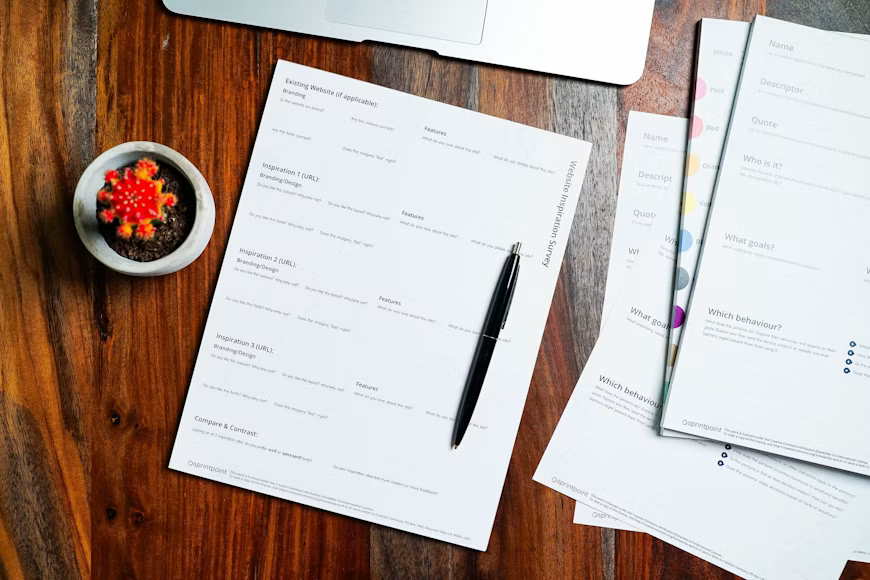
Check your policy in 10 minutes
Set a timer if it helps. The goal is to locate the key numbers and write down questions, not to interpret every clause in a few minutes. Keep the declarations page, policy form, and endorsements together. If the portal only shows a summary, ask the insurer for the full issued documents.
- Confirm who and what is insured. Check the named insureds, property address, mortgagee, policy dates, and whether the home is described as owner-occupied, seasonal, or rented.
- Find Coverage A. Record the dwelling limit. Ask whether the estimate reflects rebuilding labor and materials, and check that it excludes land value. Note any renovations since the last estimate.
- Compare B, C, and D. Write down the other-structures, personal-property, and loss-of-use limits. Look for sublimits on valuables, mold, water backup, or property kept away from home.
- Review E and F. Note personal-liability and medical-payments limits. Check whether a business, rental, pet, pool, or other activity needs separate wording.
- Locate the ordinary deductible. Record its dollar amount and whether it applies by occurrence or in another way.
- Look for wind, hurricane, or named-storm deductibles. Write down whether each is fixed or percentage-based, what limit the percentage uses, and which events trigger it.
- Check settlement terms. Find whether the dwelling and belongings settle at ACV or replacement cost. Note any replacement deadline or recoverable depreciation process.
- List exclusions and endorsements. Search for flood, earth movement, water backup, mold, ordinance or law, equipment breakdown, and scheduled property. Mark what is excluded, capped, or separately insured.
- Ask about anything unclear. Send the insurer or agent a short written list and ask where the answer appears in the policy. Keep the reply with the policy documents.
This review cannot calculate the exact cost to rebuild or guarantee how a future claim will be paid. It can help you spot an outdated limit, a deductible you had not noticed, or an endorsement worth discussing before a loss occurs. Save the page with the policy date so you can compare it at renewal. If you discover a discrepancy, ask for a corrected declarations page rather than relying on a phone summary.
When a loss happens
Safety comes first. If a fire, electrical hazard, active leak, or structural concern makes the home unsafe, follow emergency directions and use qualified help. Once the immediate risk is controlled, take dated photos and video, keep receipts, and make a timeline of when you first noticed the damage. Save damaged materials when safe and practical, but do not delay reasonable work needed to prevent further damage or protect occupants.
Tell the insurer promptly in the way the policy requires. Ask whether it needs to inspect before permanent repairs and how to handle emergency mitigation. Keep each estimate separated by source repair, access, cleanup, building materials, contents, and temporary living costs. If a contractor must open a wall to reach a pipe, photograph the pipe and opening before closing it. For a water loss, the burst-pipe guide describes what to document during the first day. If the loss is tied to a suspected claim decision, use the calculator only to compare labeled scenarios, not to decide coverage.
Read the insurer’s estimate against your own records. If a line is missing, ask what documentation would support it. If a cause is disputed, request the policy language and factual basis in writing. A contractor can explain the repair and observed damage; the insurer applies the contract to the claim. Keep communications factual, correct mistakes when you spot them, and avoid guessing about a cause that has not been established.
More guides: how the answer changes by cause
- Claim history — often yes, depending on state and insurer. A claim may affect renewal pricing or underwriting even if the damage itself fits coverage. Read whether home insurance can go up after a claim.
- Burst pipes — usually yes for sudden resulting water damage, subject to conditions. Slow leaks, freezing, the failed pipe, and access costs can receive different treatment. See burst or frozen pipe coverage.
- Mold — usually no, unless a covered sudden water event caused it, and limits may apply. The water source and any mold sublimit matter. Read when homeowners insurance covers mold.
- Air conditioning — depends on the cause. A covered event such as lightning, fire, hail, or impact may be treated differently from age or mechanical breakdown. See AC and HVAC coverage.
- Foundation repair — usually no for gradual settling, but a covered sudden event may change the result. Review foundation and slab-leak coverage.
Frequently asked questions
Frequently asked questions
What are the six categories typically covered by homeowners insurance?
They are dwelling, other structures, personal property, loss of use, personal liability, and medical payments to others. Limits and terms vary; the declarations and issued form show what applies to a particular home.
What is not covered by house insurance?
Flood, earthquake, gradual wear, neglect, and some mold or sewer-backup losses are common exclusions or limitations in standard policies. Separate policies or endorsements may add protection, so check the exact contract.
Is Coverage C 50% of Coverage A?
Some standard examples use 50% of the dwelling limit for personal property, but policies can use a different limit. The declarations page and any scheduled-property endorsement control.
How much home insurance do I need for a $400,000 house?
Start with the estimated cost to rebuild the structure, not its sale price or land value. A $400,000 market price does not establish the right dwelling limit; get a current replacement-cost estimate and review it with the insurer.
Sources
- Homeowners Insurance, GAO-14-179 — U.S. Government Accountability Office
- A Consumer’s Guide to Home Insurance — National Association of Insurance Commissioners
- A Consumer Guide to Homeowners Insurance — Maryland Insurance Administration
- Homeowners 3 — Special Form, HO 00 03 05 11 — Maine Bureau of Insurance
- Mold Cleanup in Your Home — U.S. Environmental Protection Agency
CoverClaro explains insurance. We do not sell insurance or give personal advice. Your policy and insurer determine your coverage.