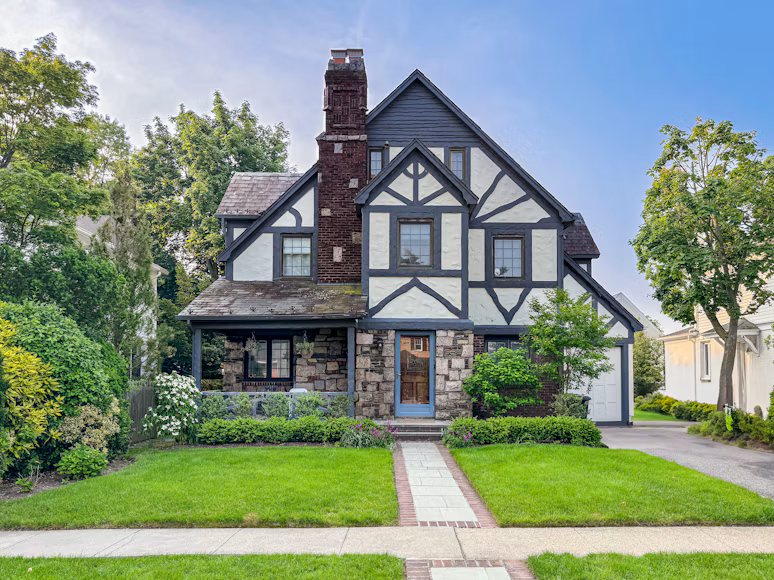
Short answer: Usually your own insurance pays, not your neighbor. If a storm drops their healthy tree on your house, your homeowners policy covers the damage, minus your deductible, and often some removal. Your neighbor is usually only responsible if the tree was dead or obviously dangerous and they ignored it. Then your insurer may recover the money from theirs.
If a neighbor’s tree fell on my house, who pays?
In most cases, you start with your own homeowners policy. A tree that falls on your house during a storm is a covered event under a standard HO-3 policy, whoever owned the tree, and the policy pays to repair the house, minus your deductible. Your neighbor does not automatically owe you anything just because the trunk started on their side of the property line. The law generally treats a healthy tree that falls in a storm as an accident, not as someone’s fault.
The answer changes if the tree was dead, rotting, or leaning badly and the neighbor knew or should have known and did nothing. Then the neighbor may be legally responsible for the damage, and your insurer may be able to recover what it paid from the neighbor’s liability insurance. The rest of this guide separates those two situations, shows how to document which one you are in, and explains how tree removal is covered. For the larger picture of what a standard policy covers, see our plain-English guide to what homeowners insurance covers.
Healthy tree or dead tree: who pays?
The legal idea behind the top box is that nobody is responsible for something no one could reasonably have prevented. A storm brought the tree down, and that is generally an act of God. The idea behind the bottom box is negligence: a person who knows a tree is dead or hazardous and does nothing is not unlucky, they are careless. Courts and states differ on exactly how that line is drawn, and we are not citing state-specific rules here. If a lot of money is at stake, a local attorney can tell you how your state treats it.
How do you show that a tree was dead or dangerous?
Evidence decides this question, and the best evidence is collected before and right after the fall. Photographs of the tree from earlier years, with dates, can show dead branches, fungus, a lean, or a split trunk. A written request to the neighbor to inspect or remove the tree is strong evidence that the owner was on notice; a dated email or a letter sent by a method with proof of delivery works better than a conversation over the fence. Keep any answer. If the neighbor replies that they will deal with it, keep that too.
After the tree falls, photograph the trunk, the break point, and the stump or root ball before anything is cut, and ask a certified arborist to inspect and write down whether the tree showed signs of decay, disease, or root problems. An arborist’s report that says the wood was rotten at the base is very different from one that says the tree was healthy. If the neighbor had received a notice from the city or an HOA about the tree, ask for a copy. Your insurer will want to see all of this if it considers recovering from the neighbor.
What does your policy cover when a tree hits your house?
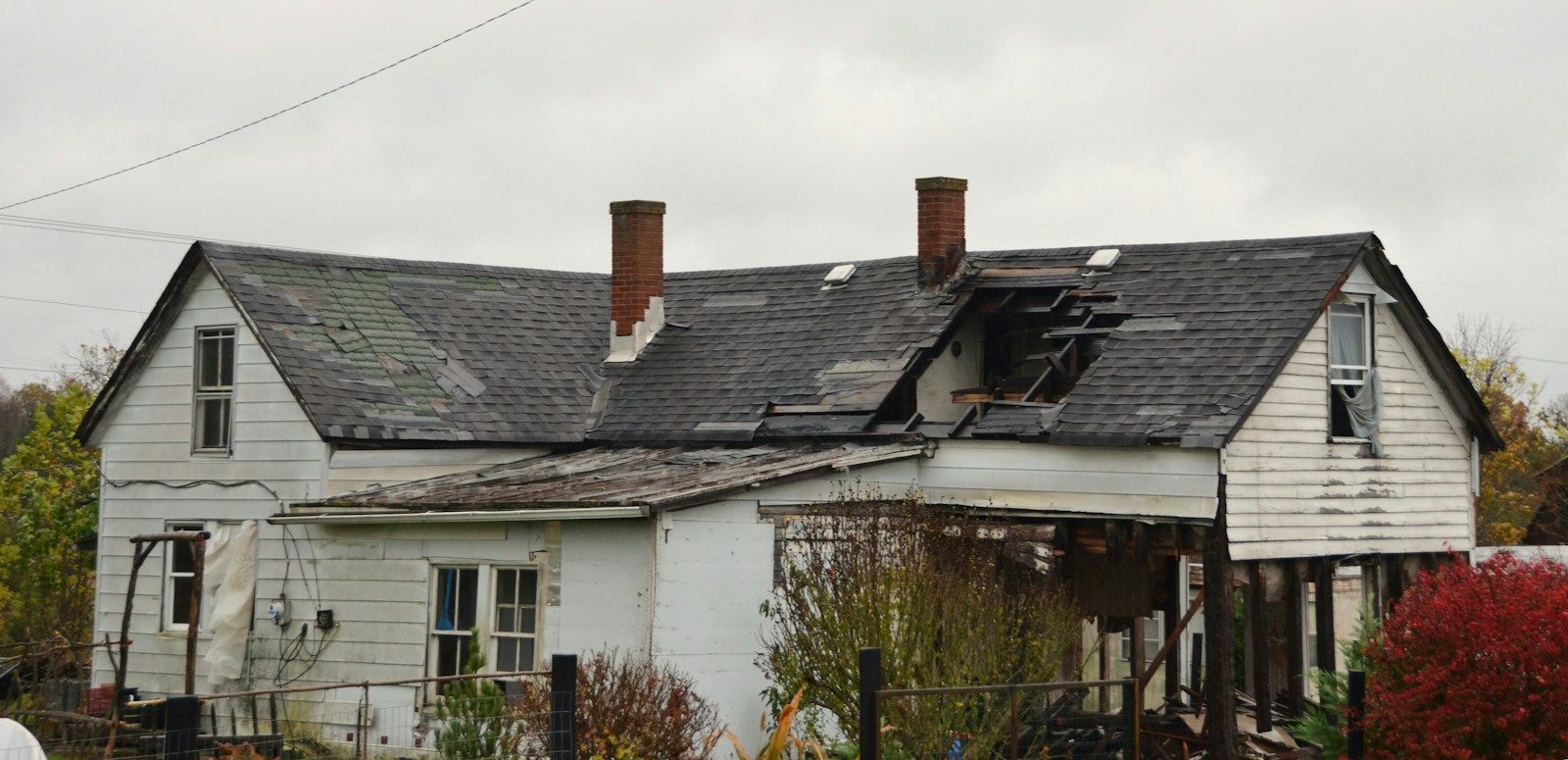
A standard HO-3 policy covers damage to the dwelling and other structures from windstorm and falling objects, and a tree on your roof is a classic example. The policy pays to repair the roof, ceiling, walls, and anything else the tree damaged, minus your deductible. Your belongings are covered under named perils, which include windstorm and falling objects, subject to the limits and conditions in your policy. If you cannot live in the house while it is repaired, loss of use coverage can pay for temporary housing and added living costs, within its limits.
Some conditions apply to falling objects. The standard form’s falling-objects coverage generally applies to personal property inside a building only if the exterior of the building was first damaged by the falling object, which is the case when a tree breaks through the roof. Read your policy for the exact wording. The roof’s age can also affect how much is paid: if the tree hits an older roof, your insurer may pay actual cash value instead of full replacement, as our guide on old roofs and insurance explains.
Who pays to remove the tree?
This is where policies differ the most, so read the debris removal provisions. Many homeowners policies pay to remove a fallen tree when it has damaged a covered structure such as the house, a garage, or a fence, but subject to a dollar limit for the loss and often a smaller cap for each tree. Some policies also pay a limited amount to remove a tree that blocks a driveway or an access ramp even if it did not hit a structure. A tree that falls in the yard and damages nothing is, in many policies, not covered for removal, and the owner of the land it landed on may be left to pay.
Who is responsible for removing a neighbor’s tree that fell on your land, when nothing was damaged, depends on state law and local practice, and we are not making claims about specific states. Many neighbors resolve it by agreement. Ask your insurer about your limit before you hire a crew, and ask the tree service for an itemized quote that separates removing the tree from the roof, from cleaning the yard, and from hauling away the wood. If the tree is dangerous and has to come off the house immediately, hire an emergency crew, keep the invoice, and tell your insurer why.
| Situation | Possible outcome | Why |
|---|---|---|
| A healthy neighbor tree falls in a storm and damages your roof | Usually covered by your policy | Windstorm and falling objects are covered perils. You pay your deductible. The neighbor is usually not liable. |
| A dead tree the neighbor was warned about falls on your house | Covered by your policy, and the neighbor may be liable | Your insurer pays first and may recover from the neighbor’s liability insurer, including your deductible. |
| Removing a tree from your damaged roof | Usually covered, with limits | Debris removal for a tree that damaged a covered structure often has a dollar limit and a per-tree cap. |
| A tree falls in your yard and hits nothing | Usually not covered | Many policies do not pay to remove a tree that damaged no structure, unless it blocks a driveway or access ramp. |
| Your own tree falls on your neighbor’s house | Their policy usually pays | Their insurer pays for their damage. You are generally liable only if you were negligent about a dead or dangerous tree. |
| Damage from a tree that was cut down on purpose | Depends | Whoever cut it, and how, matters. A felling accident may be treated differently from a storm. Read the policy and ask your insurer. |
What do you do right after a tree falls on your house?
After a tree hits your house
- Get everyone out if the structure may be unsafe. Stay away from downed power lines and anything touching the tree, and call emergency services or the utility if lines are involved.
- Photograph and film the tree, the break point, the damage inside and out, and the area around the house before anything is moved.
- Prevent more damage if it is safe: a tarp over a hole in the roof, boards over a broken window. Keep the receipts, because the policy generally expects reasonable emergency steps.
- Report the loss to your insurer and ask what it wants to see before the tree is removed. Our guide to filing a homeowners claim has the full sequence and a call log.
- Tell your neighbor what happened, in writing. Keep the tone factual. Ask them to notify their own insurer, and ask for their insurer’s contact information.
- Get a certified arborist to document the condition of the wood and roots, and keep a photo of any warning signs from earlier years.
- Get written quotes for tree removal and for repairs, and keep damaged materials that the adjuster might want to see.
How much does it cost, and should you file a claim?
We are leaving out dollar figures because we could not verify them against a source, and costs vary with the tree, its location, and the damage. Tree removal tends to cost more when the tree is on a structure, near power lines, or hard to reach, and roof, ceiling, and interior repairs depend on the extent of the hole and any water that came in.
Compare the covered damage with your deductible. As an illustration with made-up numbers: a tree causes $14,000 of roof and ceiling damage, and your deductible is $2,000. Your policy might pay about $12,000, less any limits on removal. If your premium is $2,200 a year and you assume a 10% increase for three years, the added premium is about $660, so filing likely pays off. If the damage were $2,400, the payout would be $400 and the premium effect could exceed it. The claim calculator does this with your numbers. When the cause is a storm or a neighbor’s tree, ask your insurer how it treats the claim at renewal, and read our guide on premiums after a claim.
If your neighbor was negligent, your insurer may try to recover from their insurance and could return your deductible. That process, called subrogation, takes time and does not delay your repairs.
What if your tree falls on your neighbor’s house?
The same logic applies in reverse. If a healthy tree of yours comes down in a storm and hits your neighbor’s house, their own policy generally pays for their damage, and you are not liable just because the tree was yours. If the tree was dead or dangerous and you knew, or were warned, you could be responsible, and your liability coverage may respond to a claim against you. Report any claim or demand from a neighbor to your insurer instead of negotiating or admitting fault on your own, and do not ignore a written warning about a tree. Removing a hazardous tree before it falls costs less than a lawsuit.
Two real scenarios
The storm and the oak. Hannah’s neighbor’s healthy oak comes down in a windstorm and punches a hole in her roof. She photographs everything, puts a tarp on the roof, and calls her insurer the same day. The adjuster approves the repair, and the policy pays minus her deductible. An arborist who looks at the stump writes that the wood was sound. Her neighbor is not liable, since this was a storm and not negligence, so Hannah’s own policy handles it. Removing the oak from the roof is paid under her policy’s debris removal provision, up to its limits.
The warning that was ignored. Victor has asked his neighbor twice by email to deal with a dead maple that leans toward his house, and he sent the second message with photos. A storm drops the maple on his garage. Victor’s insurer pays for the garage and the removal, then notes the dated emails and the arborist’s report that the tree was dead and pursues the neighbor’s liability insurer. If that succeeds, Victor may get his deductible back. The emails made the difference.
How do you lower the risk before a storm?
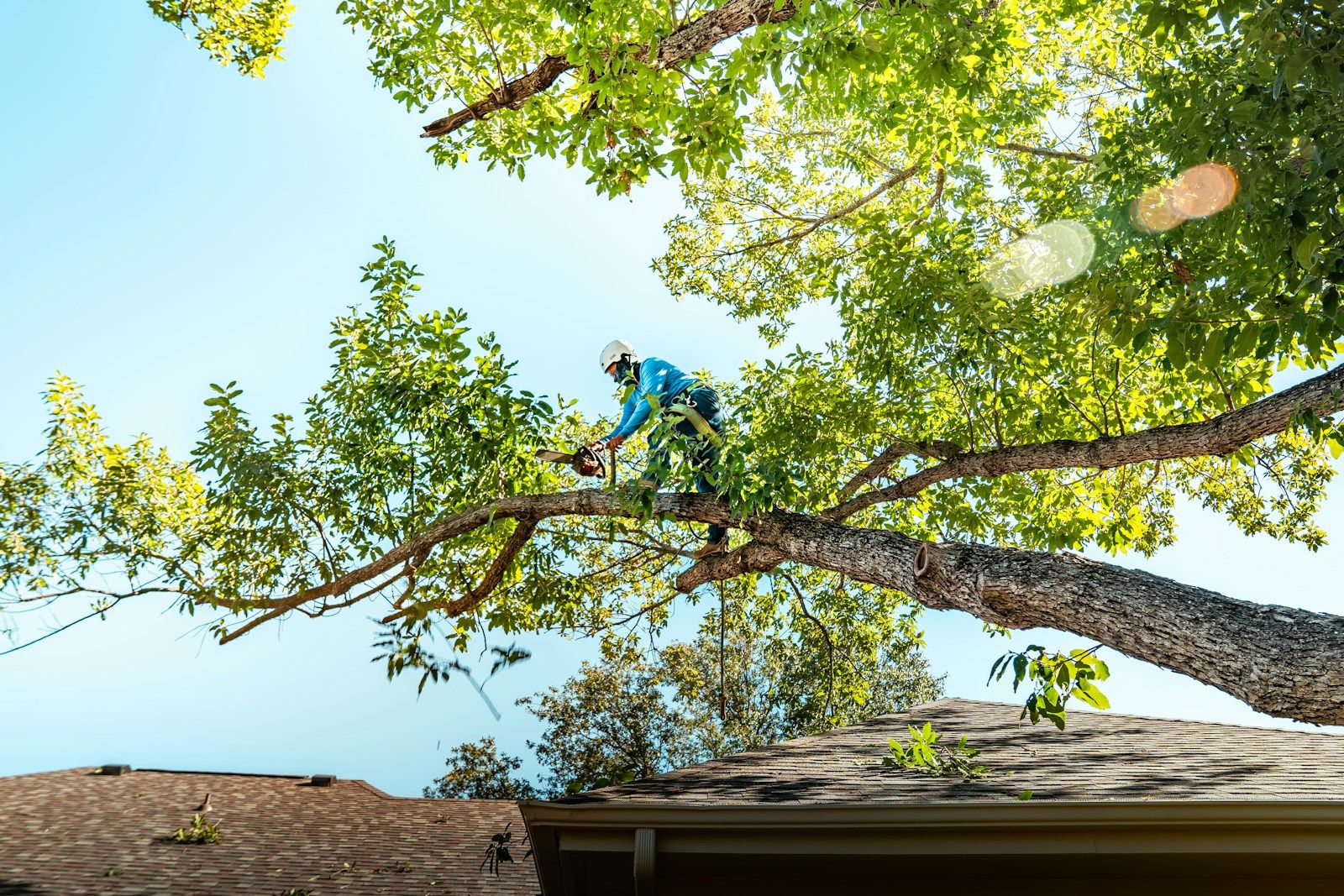
Look at the trees near your house, including your neighbor’s. Dead branches, a lean that is getting worse, mushrooms or fungus at the base, cracks in the trunk, and heaved soil at the roots are reasons to have a certified arborist look. If a neighbor’s tree worries you, write to them and keep a copy, attach photos, and, if needed, contact the city or HOA, which may have rules about hazardous trees. Trim your own trees on a sensible schedule and remove trees that are dead.
Check your policy for the deductible that applies to wind or hail, which is sometimes a percentage of the dwelling coverage. Know your debris removal and tree limits, and know what your roof’s age means for payment. For related weather topics, browse our Weather & Disasters category, including the guide on ice dams.
Frequently asked questions
Who is at fault if a neighbor's tree falls on my house?
Usually no one is legally at fault if a healthy tree comes down in a storm, which is why your own policy pays. A neighbor can be responsible if the tree was visibly dead, diseased, or leaning and they knew or should have known and did nothing. That is a question of negligence, and the facts and state law decide it.
Am I responsible if my tree falls on my neighbor's house?
Generally not, if a healthy tree fell in a storm; your neighbor’s own policy responds. You may be responsible if you ignored a dead or dangerous tree after being warned. If a claim is made against you, report it to your insurer, because your liability coverage may respond.
How much does insurance pay for tree removal?
It depends on the policy. Many homeowners policies pay for removal when a tree damages a covered structure, but with a dollar limit and often a smaller cap per tree, and removal of a tree that damaged nothing is often not covered. Look for debris removal and tree provisions in your policy and ask your insurer for the figures.
What should I do right after a tree falls on my house?
Get everyone out if the structure is unsafe, stay away from downed power lines, and call emergency services or the utility if needed. Photograph the tree and damage before anything is moved, cover openings to prevent more damage, keep receipts, and report the loss to your insurer. Wait for the insurer’s guidance before major tree removal unless it is an emergency.
Sources
- What if a neighbor's tree falls on your property? — Yahoo Finance
- Does homeowners insurance cover damage from fallen trees? — Mercury Insurance
- Does homeowners insurance cover tree removal? — U.S. News & World Report
- Homeowners 3 — Special Form, ISO form HO 00 03 05 11 — Maine Bureau of Insurance
CoverClaro explains insurance. We do not sell insurance or give personal advice. Your policy and insurer determine your coverage.