Short answer: Sometimes. Standard wording pays to remove a fallen tree only if it damages a covered structure or blocks a driveway or disabled-access ramp, up to a limit, often $500 per tree and $1,000 per loss. A tree that falls in the yard without hitting or blocking anything usually isn’t covered, nor is planting a replacement.
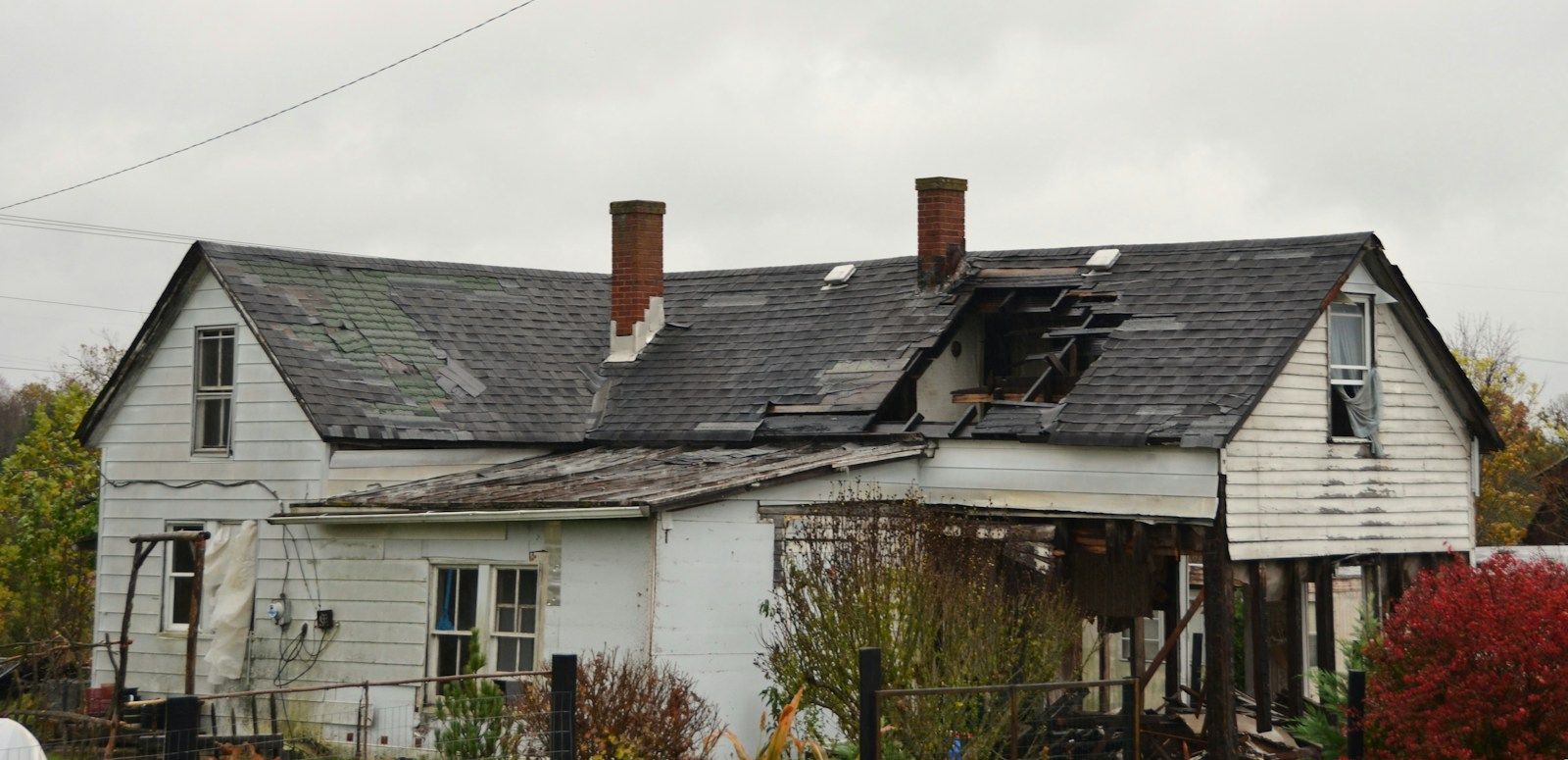
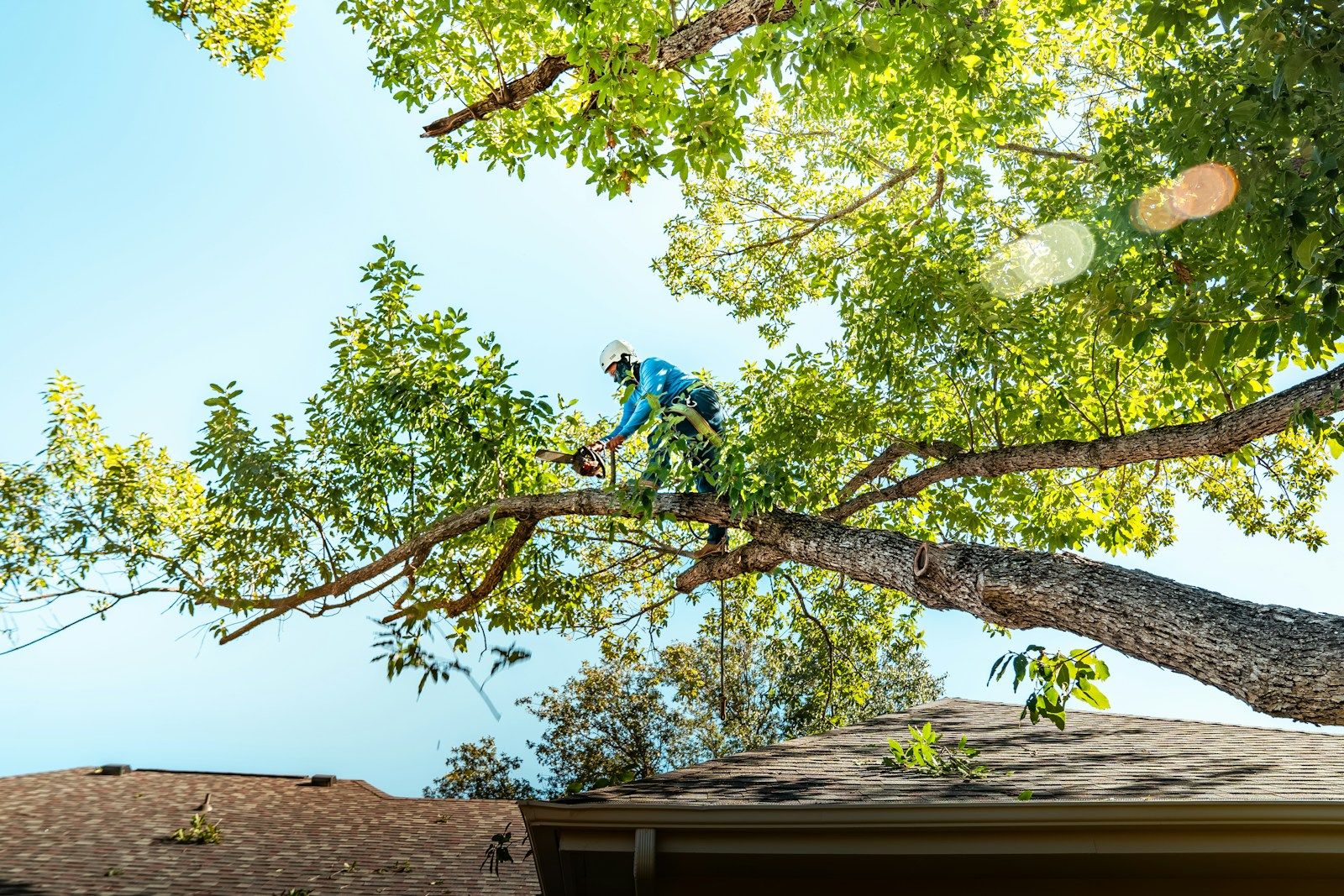
This guide focuses on the cost to remove a fallen tree, not who is legally responsible for the fall. The answer turns on what the tree hit, whether it blocked a qualifying access, and the removal limits in your policy. A tree across a roof, a tree blocking a driveway, and one lying in an open yard may receive different treatment. The actual form and endorsements control.
The tree-removal question: who pays for the cleanup
There are three practical scenes to separate. A tree may land on a covered structure, such as a home or garage; it may fall without hitting a structure but block a vehicle access or disability ramp; or it may lie in the yard without damage or a blocked route. The Insurance Journal article “How Does the Homeowners’ Policy Deal with Trees?” says removal may be covered in the first two situations under the policy language it discusses. The same article says yard-only cleanup is not covered by that standard wording. Check your policy rather than treating the article as a promise.
The removal question is narrower than the damage question. If a tree hits a roof, the building repair and the debris removal are different items. A policy could address the damaged structure separately from the amount available to haul away the tree. If it only blocks access, the policy may ask whether the blocked route qualifies. If it is simply down in the yard, the mere fact that it fell during a storm may not create a removal benefit under that form. Photograph the location and the obstruction before work changes it, when that is safe.
For a decision, identify the tree’s landing place, the property it touched, any blocked driveway or ramp, and the contractor’s removal scope. Ask the insurer which policy clause supports removal and which limit applies. If multiple trees fell, ask whether the amount is counted per tree, per loss, or both. Keep building repair and cleanup estimates separate so the removal question does not get lost inside a large storm invoice.
The two limits that decide your payment: per tree and per loss
A per-tree limit caps the amount attributable to one tree; a per-loss limit caps the total removal amount for the event. The Insurance Journal article describes standard HO 00 03 language with up to $500 for each fallen tree and a total of $1,000 for all trees felled in one loss. Those are the limits described in that source, not numbers to assume for every policy. A homeowner with several trees should ask about both caps, because reaching the per-tree amount for each tree does not establish that the combined total is payable.
The same article says removal is addressed when a fallen tree damages a covered structure or, without such damage, blocks vehicle access or a disability ramp. Whether a driveway or ramp meets the form’s exact condition depends on its wording and facts. Ask if the access must serve a vehicle or meet another definition in your policy, and ask whether the limit applies to each tree and to the combined event. Keep the contractor’s estimate separated by tree and by task so the calculation can be followed.
Limits also differ between forms. The Oklahoma Insurance Department’s filed HW-2136 form describes up to $1,000 per loss for tree debris removal and no more than $750 for any one outdoor tree, shrub, plant, or hardscape item, subject to a 5% cap of Coverage A. The Insurance Journal’s HO 00 03 summary gives different figures. This contrast is why the declaration page and the form or endorsement must be read together; do not transfer one form’s limit to another.
What the tree hit: structure, driveway, ramp
A tree that strikes a covered structure presents two separate questions: what repairs address the structure, and what policy amount applies to removal. The Insurance Journal article says tree-removal coverage can apply when the fall damages a covered structure. Its summary also describes removal when a tree falls without striking a structure but blocks vehicle access or a disability ramp. The exact definition and condition still come from the policy in force, so preserve the scene and ask which words the insurer uses to classify the landing place.
Show the relationship between tree and property with photographs. A wide view can show that the trunk rests on a garage or roof; close views can document broken shingles, branches, or the route that is blocked. If a driveway is involved, photograph where a vehicle enters and where the tree prevents passage. If a ramp is involved, document the ramp and obstruction without exposing anyone to danger. These records explain the physical condition; the insurer then applies the policy language.
Ask the removal company to itemize cutting, hauling, and any separate cleanup, and ask the adjuster whether removal falls under a per-tree cap, a per-loss cap, or both. Do not assume that payment for repairing a garage automatically pays the full removal invoice. Conversely, an access-based removal provision may apply even without a structure strike if the form’s condition is met. Keep the removal estimate apart from the building repair estimate.
Trees that fell without hitting anything
A tree lying in an open yard may not qualify for removal under the standard wording described by Insurance Journal when it neither hits a covered structure nor blocks a qualifying access. The article summarizes a narrow removal benefit rather than general yard cleanup. A storm can explain when the tree fell, but the event alone does not establish that the removal condition was met. Photograph the tree where it landed and the nearby structures and access routes so the file shows whether anything was struck or blocked.
Some policies or endorsements may offer different terms, so ask what your policy says before assuming there is no benefit or that one exists. If the tree did block a vehicle route or ramp, record that fact separately from its position in the yard. If it did not, ask whether any other provision applies. A contractor’s estimate should state the removal work and avoid combining it with landscaping or replacement planting unless those are separate line items.
A tree falling without contact also differs from a tree that damages a roof or another covered structure. In the latter case, structural repairs and debris removal need separate review. In the yard-only case, the homeowner may need to arrange cleanup without relying on the removal benefit summarized in the source. Keep the insurer’s written explanation with the photographs and estimate; the policy wording, not the appearance of the tree alone, determines the result.
Diseased or neglected trees
The Triple-I Homeowners Insurance Handbook (2023) says trees and plants are generally covered for about $500 per item and are not covered when disease or lack of maintenance caused the loss. That is the handbook’s summary; the policy form still controls the claim. The Insurance Journal article separately describes removal of fallen trees under conditions tied to what the tree hit. Keep those questions distinct: coverage for a tree or plant itself is not the same as payment to remove a fallen tree.
Maintenance records can help establish what was done and what was observed before the fall. Keep invoices or notes about pruning, inspections, or earlier concerns if they exist, and photograph the stump, trunk, or visible condition after the event when safe. Do not accuse a neighbor or homeowner of neglect based only on appearance. Ask an arborist or other relevant observer to describe observable conditions without turning that description into a legal conclusion. The insurer can compare the record with its policy language.
If the tree was diseased or neglected, the handbook’s point is that the cause may affect coverage for the tree or plant. It does not establish that every removal charge is handled the same way. Ask which part of the loss the insurer is evaluating: the tree itself, the structure it hit, removal, or landscaping. Separate photographs and invoices for each item make it easier to see what is being considered and what provision applies.
Worked example: two oaks after a storm
Illustrative example. Under the ISO-type limits described in the Insurance Journal article, suppose two oaks fall in a storm. Oak one crushes a garage; oak two blocks vehicle access without touching a structure. Removal estimates are $1,500 for the first tree and $1,100 for the second, or $2,600 combined. Applying the example’s $500 per-tree limit gives $500 for each tree, and the $1,000 per-loss limit caps the removal payment at $1,000. The owner’s removal share is therefore $1,600.
The garage repair is estimated at $7,200, with a $1,000 deductible, so the illustrative insurer amount for that repair is $6,200. The example applies the deductible to the garage; how a deductible applies to removal varies by policy. Total insurer payment in this illustration is $6,200 + $1,000 = $7,200. The owner assumes the $1,000 deductible plus $1,600 for removal, or $2,600. These are the scenario’s figures using ISO-type caps; another policy may have different limits or apply its deductible differently.
The arithmetic depends on separating the garage repair from removal and on the assumed access condition for the second oak. Keep separate estimates for those tasks and ask the insurer to identify the per-tree and per-loss caps it used. Do not treat the example’s totals as an expected payment under a different form.
Removal-coverage table
This table reflects the scenarios described in the Insurance Journal article and Triple-I handbook. “Yes” or “usually not” is a guide to that policy language, not a decision for another contract. Check your policy and document what the tree struck or blocked.
| What the tree did | Is removal paid? | Note |
|---|---|---|
| Fell on the home or another covered structure | Yes, up to removal limits | Check per-tree and per-loss limits |
| Fell and blocks vehicle access | Yes, under the ISO wording described | Confirm it is access for a registered vehicle |
| Fell and blocks a disability ramp | Yes, under the ISO wording described | Same access condition applies |
| Fell in yard without contact or blockage | Usually not | Only if the policy offers it |
| Diseased or poorly maintained tree | Usually not covered | Maintenance photos and records help explain condition |
| Want to plant a replacement tree | No replacement coverage in the described ISO wording | Check your policy |
Replacing the tree and the landscaping
Removal and replacement are different expenses. The Insurance Journal article says the standard wording it discusses does not cover replacing the tree. The Triple-I handbook says trees and plants are generally covered for about $500 per item and excludes disease or lack of maintenance, while the Oklahoma Insurance Department’s HW-2136 form has its own limits for an outdoor tree, shrub, plant, or hardscape item. Those statements concern different policy language and should not be combined into one assumed benefit.
Separate the estimate for removing a fallen trunk from costs to plant a new tree, replace shrubs, or restore landscaping. Ask the insurer which provision applies to each item and whether a limit covers the tree itself rather than the debris. Keep photos of the original location, stump, damaged lawn, and any hardscape affected, plus a line-by-line estimate. If the estimate combines cleanup and planting, request separate amounts so the carrier can address the policy question for each task.
A tree that was damaged by a covered named peril may be evaluated under provisions different from the removal clause. The Insurance Journal article describes an HO 00 03 form in which trees, shrubs, and plants are covered only for named perils and notes that wind and hail are not perils for the tree itself. The cited figure of $500 per item and the 5% Coverage A cap belong to that source’s description. Do not transfer those terms to the separate HW-2136 example; compare the actual policy and endorsements.
Neighbor’s tree and what to do first
If a neighbor’s tree falls, first document the location and damage rather than deciding who is responsible. When safe, photograph the entire tree, the point where it landed, any structure it struck, and any access it blocked. Do not move the tree before the adjuster sees it if leaving it in place is safe. If an urgent hazard makes movement necessary, record why, take photographs first if possible, and keep the removal estimate and invoice. Ask the insurer what it wants inspected before permanent cleanup.
Request separate estimates for structural repair and tree removal. Ask the contractor to identify which tree and which task each charge concerns. Then ask the adjuster to explain the per-tree and per-loss limits, the removal condition, and any deductible treatment in your policy. Keep the neighbor’s communications and any relevant maintenance records, but do not assume ownership alone decides fault or payment. The guide to a neighbor’s tree falling on your house discusses responsibility separately; this page stays with the removal expense.
The guide to filing a claim has the general sequence for reporting and documenting a claim. Here, begin by preserving the scene, recording what the tree hit or blocked, and asking which removal clause applies. If the tree is dangerous, prioritize safety and follow instructions from qualified responders; evidence gathering should not create a hazard. Save all written guidance and compare the final removal scope with the amount the insurer says it will consider. For broader policy structure, see homeowners coverage; for storm cause questions, see wind damage or hurricane damage. If the tree also struck a fence, the guide to fence damage covers that repair separately.
Frequently asked questions
Does insurance pay to remove a fallen tree?
Often, if the tree fell from wind, hail or the weight of ice or snow and damaged a covered structure. Without damage, the Insurance Journal summary says removal is paid only when the tree blocks vehicle access or a ramp for a disabled person. Either way, a per-tree and per-loss limit applies.
What is the per-tree limit?
The Insurance Journal summary of the ISO HO 00 03 describes up to $500 per tree for removal and $1,000 for all trees felled in one loss. The filed Oklahoma form (HW-2136) instead allows up to $1,000 per loss for tree debris and not more than $750 for any one outdoor tree, shrub or plant item. Limits vary, so check your own policy.
Is a tree blocking my driveway covered?
Under the wording the Insurance Journal describes, yes: removal is paid when a fallen tree blocks vehicle access or a ramp for a disabled person, even if it hit nothing. Photograph the place where the car enters and the blocked path, and expect the same per-tree and per-loss limits to apply.
Does it matter that the tree was my neighbor's?
Not for your removal coverage. The Insurance Journal article includes a neighbor's tree among fallen trees that can qualify, as long as it damaged a covered structure or blocked access. Who is responsible for the tree is a separate question, which our guide to a neighbor's tree falling on your house covers.
Will insurance pay to plant a new tree?
Not under the ISO wording the Insurance Journal describes, which has no coverage to replace the tree. Triple-I says trees and plants are generally covered for about $500 per item against named perils, and not for disease or lack of maintenance. Keep removal costs separate from planting and landscaping costs.
Sources
- How Does the Homeowners' Policy Deal with Trees? — Insurance Journal
- Triple-I Homeowners Insurance Handbook (2023) — Insurance Information Institute
- Homeowners policy form HW-2136 (filed form) — Oklahoma Insurance Department
CoverClaro explains insurance. We do not sell insurance or give personal advice. Your policy and insurer determine your coverage.