
Short answer: Partly. A homeowners policy may cover direct hurricane wind damage and rain intrusion when a covered opening was created, but floodwater and storm surge are usually excluded and require separate flood insurance. Deductible triggers vary by state and contract. Check the declarations and document the condition of your home before a storm.
Does homeowners insurance cover hurricane damage?
Sometimes, but “hurricane damage” is not a single policy category. Wind can damage a roof or break a window; rain may then enter through the new opening. Rising water can reach the same room from outside. A standard homeowners policy may cover some wind losses while excluding flood and storm surge. The cause of each part of the damage, the policy in force, any wind or hurricane exclusion, and the deductible all matter.
The NAIC explains that homeowners coverage follows the perils and conditions in the contract. It also distinguishes windstorm deductibles from flood losses: storm-surge and flood damage generally require a separate flood policy. Your claim may therefore involve more than one insurer or policy. Do not assume that one decision about roof damage settles the question about water in a basement, personal belongings, temporary housing, or debris removal.
Start with the declarations, deductible schedule, wind or named-storm endorsements, flood policy, and any lender documents. Confirm that the insured address, coverage amounts, and effective dates are correct. If wind coverage is provided by a separate insurer in your area, keep that policy’s contact details with your homeowners and flood information. Our guide to homeowners coverage explains the main sections, while flood damage coverage explains the separate flood-policy questions.
Separate wind, rain, and flood in the record
Insurers may ask where water began, how it entered, and which area it damaged. A storm can create several paths at once: wind tears a roof covering, rain enters through the opening, and storm surge pushes water inland. The word “water” does not tell the insurer which policy applies. Record what you personally observed, when it happened, and whether a visible opening or rising surface water was present. If you did not see the water enter, say so rather than choosing a cause.
| Observed damage | Policy question to ask | Evidence that may help |
|---|---|---|
| Shingles, siding, or windows damaged by wind | Is wind covered, and what deductible or exclusion applies? | Exterior photos, inspection notes, repair scope |
| Rain inside after a roof or window opening | Did covered wind create the opening, and what resulting damage is included? | Photos of the opening and interior, contractor observations |
| Water rising from street, coast, or ground | Does a separate flood policy apply to this source and property? | Water-line photos, local alerts, flood declarations |
| Damaged furniture and electronics | Which policy covers contents, and what valuation and limits apply? | Room-by-room inventory, serial numbers, receipts |
| Home cannot be used safely | Does the applicable policy include additional living expenses? | Official evacuation notice, lodging receipts, claim instructions |
The table is a way to keep the investigation organized, not a coverage decision. Wind and flood can affect different parts of one building during the same storm. A wind insurer may inspect the roof while a flood insurer reviews the water line and contents. Report the observed facts to every potentially relevant company and ask each one to explain its policy position in writing. Do not let a contractor’s description substitute for the contract or the adjuster’s cause investigation.
Wind damage and rain through a new opening
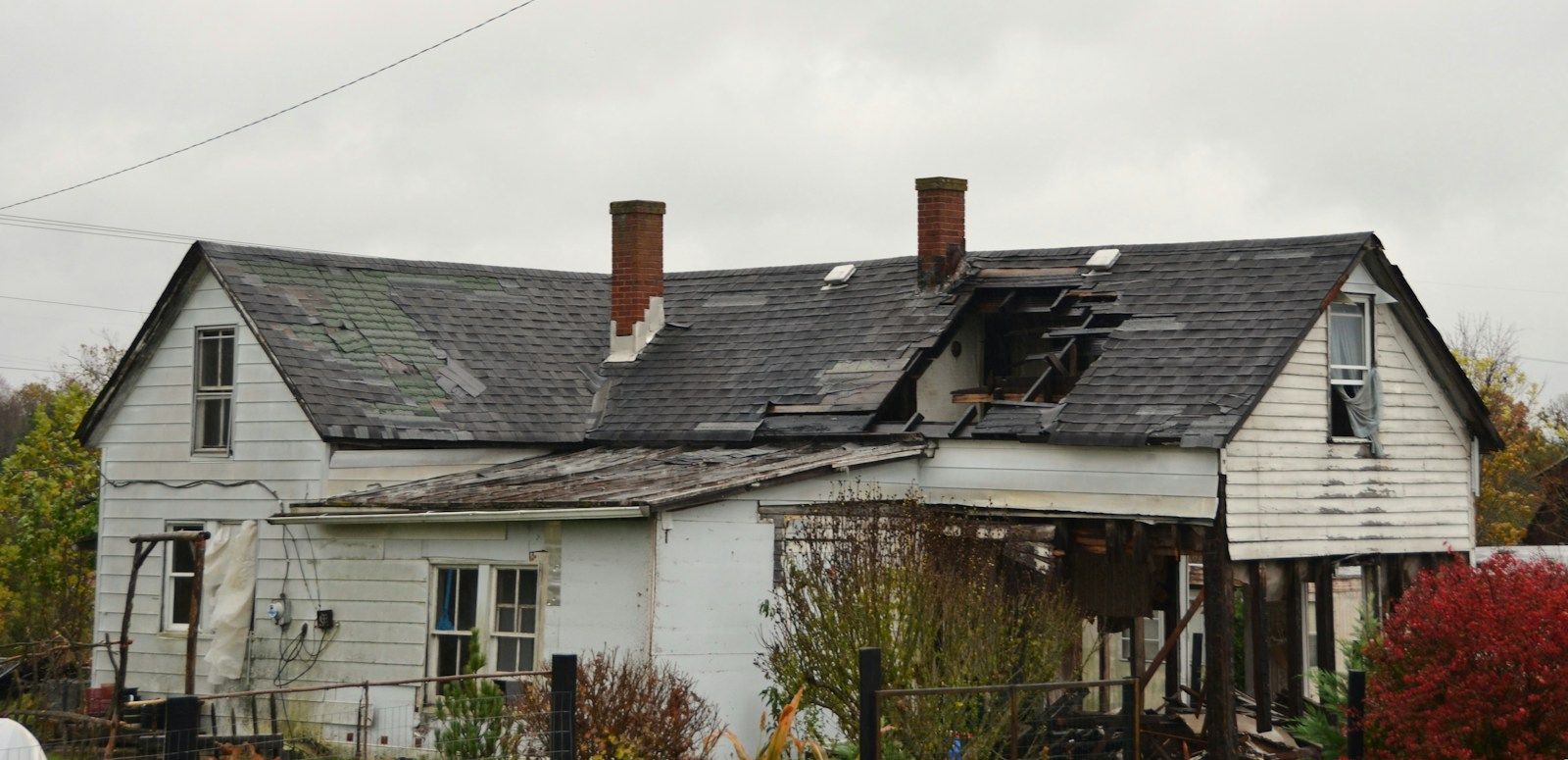
Wind coverage can depend on whether wind is included and whether a separate deductible or exclusion applies. If a gust tears away roofing or breaks a window, the policy may treat the direct physical damage as a wind loss. If rain then enters through that storm-created opening, resulting interior damage may also be considered under the contract. The exact wording matters: some forms require an opening made by a covered peril, and some locations have separate wind coverage.
Rain entering through an older roof leak, deteriorated seal, or unrepaired window can be treated differently. An adjuster may ask about maintenance and prior stains, but a prior stain does not by itself prove what caused the new damage. Photograph the damaged roof from the ground or another safe place; do not climb onto a wet or unstable roof. Preserve inspection records and repair invoices that show the pre-storm condition, and ask a qualified contractor to describe what was physically observed rather than state a policy conclusion.
If the storm damaged a tree, photograph both the tree and the property it hit before removal when safe. A fallen tree in a yard can raise different questions from one that punctures a roof. Keep removal invoices and ask the insurer to separate covered structural repair from any limited tree-removal benefit. Our guides to wind damage and a neighbor’s tree falling on a house describe those causes separately.
Floodwater and storm surge usually need separate coverage
Flood and storm surge are different from rain that enters through a wind-created opening. The NAIC says flood or storm-surge damage is covered only when a separate flood policy was purchased, typically through the National Flood Insurance Program or a private insurer. A homeowners policy generally does not cover rising surface water. A flood policy has its own definitions, effective date, deductibles, limits, and restrictions; do not assume the two policies use identical terms.
Before hurricane season, find the flood declarations and verify whether the policy covers the building, contents, or both. Check the policy’s effective date and any waiting period, and ask what happens to property in a basement or below the lowest elevated floor. FloodSmart explains how to buy an NFIP policy and what coverage is available, while the issued contract controls your particular property. If no flood policy was active when the loss occurred, a later purchase does not insure damage that already happened.
When both wind and flood may be involved, notify each insurer. Provide the same accurate timeline and label which facts are observed, estimated, or not known. Keep copies of both claim numbers and the documents sent to each company. If one adjuster asks you to sign a statement about cause, read it carefully and correct any factual error before signing. Do not describe wind damage as flood or flood damage as wind to try to fit one policy.
A hurricane deductible may differ from the ordinary deductible
A hurricane, named-storm, or wind/hail deductible can apply only when the contract’s trigger is met. The NAIC notes that triggers vary by insurer and state law. A deductible can be a fixed dollar amount or a percentage of a stated coverage limit; the declarations should identify how yours is calculated. A percentage deductible is not a percentage of your repair bill. See our percentage deductible guide and ask the insurer which limit the percentage uses.
Florida provides one state-specific example. Its Department of Financial Services explains that, for certain personal residential policies, the hurricane deductible is applied annually to covered hurricane losses in a calendar year when the policyholder remains with the same insurer or insurer group. The state guide illustrates a home insured for $200,000 with a 2% hurricane deductible, which equals $4,000. The page also describes how a later hurricane may use the remaining deductible balance or the all-other-peril deductible. This is a Florida rule and illustration; it does not establish how a policy in another state works.
The same Florida page says a policyholder can report a first wind loss even if the damage is below the hurricane deductible because the insurer records the amount credited toward a later covered hurricane loss. Do not assume this treatment applies outside Florida or to a different form. Ask your insurer how to report the loss, whether a claim record could affect renewal or pricing, and how a deductible balance is tracked. Compare the written answer with the declarations and applicable state guidance.
Multiple damage areas and more than one claim
A single hurricane can create several losses, but the claim structure varies. A wind-damaged roof, flood-damaged contents, a detached shed, spoiled food after a power outage, and a temporary hotel stay may fall under separate sections, policies, limits, or deductibles. One storm does not necessarily mean one deductible, one adjuster, or one payment. Ask the insurer to identify each property item and each coverage part in its estimate.
Do not file duplicate claims for the same damage without explaining that the other insurer is also reviewing it. If two policies may respond, disclose that fact to both and give each company the other’s claim number when requested. The companies can coordinate their investigation. You remain responsible for making a truthful report and for following the notice requirements in each contract. A claim under one policy does not prove another policy owes payment.
If the home is insured through a homeowners policy, condominium policy, landlord policy, or association master policy, find out who insures the building, interior finishes, fixtures, and personal belongings. The association’s policy may not cover everything inside a unit. A landlord’s policy usually protects the owner’s building interest and does not replace a tenant’s property coverage. Save leases, condominium documents, and association notices as context for the claim.
Prepare before a storm is forecast
Photograph the home’s exterior, roof from a safe vantage point, major rooms, appliances, and valuable belongings before a storm. Save the original images in a location you can reach if the home loses power. Make a list with model and serial numbers for major equipment and keep receipts for recent repairs. These records help establish what existed before the event; they do not prove what caused damage or guarantee a payment.
Review your homeowners, wind, and flood declarations before a watch or warning. Confirm policy dates, deductibles, limits, and claim contacts. Ask the insurer what emergency repairs it expects and whether it uses a preferred reporting portal. Check local evacuation routes and emergency instructions. Do not wait until a storm is approaching to ask whether a new policy can take effect immediately; flood policies may have waiting periods and companies can restrict new business during a threat.
Move outdoor items if local officials advise it and if doing so is safe. Follow evacuation orders. Keep digital copies of identity documents, policy numbers, medication information, and emergency contacts. If a tree or roof has a known pre-existing problem, document and address it before a storm when feasible. Maintenance records may help distinguish a new event from older deterioration, but they do not guarantee coverage.

What to do after the storm
- Follow emergency instructions. Leave or shelter as directed. Do not enter a building with unstable walls, downed wires, or standing water near electrical equipment.
- Record the condition safely. Take broad and close photos when safe. Note the date and time and make a room-by-room list of damaged property.
- Separate possible causes. Record what you saw: a broken roof covering, water line, broken window, or debris. Avoid guessing at the source if you did not see it.
- Prevent further damage. Ask the insurer how to handle tarping, board-up, extraction, or other emergency work. Keep receipts and photograph the work when possible.
- Notify potentially relevant insurers. Report wind, homeowners, flood, condo, or landlord losses as their policies require. Keep separate claim numbers and documents.
- Preserve evidence and inventory. Save receipts, estimates, messages, damaged-item photos, and an itemized list. Ask before discarding items that can safely be kept for inspection.
Report promptly. Deadlines and notice duties vary by state and policy. Florida currently publishes specific notice periods for windstorm and hurricane property claims, but those periods are state-specific and may change; verify the law and the contract that apply to your loss. Do not rely on a nationwide deadline stated in a blog post. If a deadline is unclear, ask the insurer in writing and contact your state insurance department or a qualified professional.
Temporary housing and additional living expenses
If authorities say the home is unsafe or the covered damage makes it uninhabitable, ask whether the policy includes additional living expenses or loss of use. The coverage generally depends on a covered loss and the policy’s limit and terms. Keep hotel bills, meal receipts, laundry expenses, and records of the ordinary costs you no longer have. Ask the adjuster which extra expenses are eligible and how to submit them. A forecast evacuation, power outage, or flood loss under a policy without flood coverage may be treated differently from displacement after covered wind damage.
Do not assume every hotel or meal is reimbursable. Save receipts and explain why the expense was necessary. Ask for written approval before making a long-term housing commitment when possible. If your home is a rental, the landlord’s policy and your own renters policy serve different interests. Our guide to hotel costs after a covered loss explains how to organize those records.
If the insurers disagree about cause or payment
Request a written estimate or decision from each company. Ask it to identify the policy wording, deductible, coverage limit, and factual basis for the items it accepted or excluded. If one insurer attributes the loss to flood and another to wind, gather the evidence about water direction, opening location, weather timing, and contractor observations. A cause report can inform the decision, but the contract still controls.
Compare your own photos and contractor scope against the estimate, line by line. Identify a missing room, item, or repair and send the supporting record with a specific request for review. Keep a timeline of calls, inspections, and repair work. If an estimate changes, save each version and note what changed. A policyholder should provide honest facts even when the cause is uncertain; uncertainty is a valid answer that can be investigated.
If a claim is limited or denied, ask for the policy clause and the review or appeal steps. Your state insurance department can explain complaint options for companies it regulates. For a dispute about property ownership, a condominium association, a mortgage, or a legal deadline, consult a qualified professional in the relevant state. An article cannot determine whether a specific hurricane loss meets a policy definition.
FAQ
Frequently asked questions
Does homeowners insurance cover hurricane damage?
It may cover wind damage and some resulting interior damage, subject to the policy, exclusions, and deductible. Floodwater and storm surge are generally excluded from a standard homeowners policy and require separate flood insurance. Identify the source of water and ask the insurer which policy applies.
How does a hurricane deductible work?
A hurricane or named-storm deductible may apply when the contract's trigger is met. It can be a dollar amount or a percentage based on a stated coverage limit. Triggers and state rules vary, so read the declarations and the full deductible wording rather than assuming the standard deductible applies.
Does insurance cover rain that enters through a hurricane-damaged roof?
It may when covered wind first damages the structure and creates an opening for rain, but the policy and evidence control. Rain entering through an old leak, maintenance problem, or opening that was not caused by the storm may be treated differently. Photograph the opening and the interior damage safely.
Will a second hurricane in the same year mean I pay the full deductible again?
It depends on the state and policy. Florida describes an annual hurricane-deductible calculation for certain personal residential policies with the same insurer or insurer group, but the rule is not universal. Ask your insurer how prior claims and any deductible credit apply to your contract.
Sources
- Insurance Topics: Hurricane Deductibles — National Association of Insurance Commissioners
- Florida's Hurricane Deductible — Florida Department of Financial Services
- Homeowners Insurance Overview — Florida Department of Financial Services
- Buy a Flood Insurance Policy — FloodSmart, National Flood Insurance Program
CoverClaro explains insurance. We do not sell insurance or give personal advice. Your policy and insurer determine your coverage.