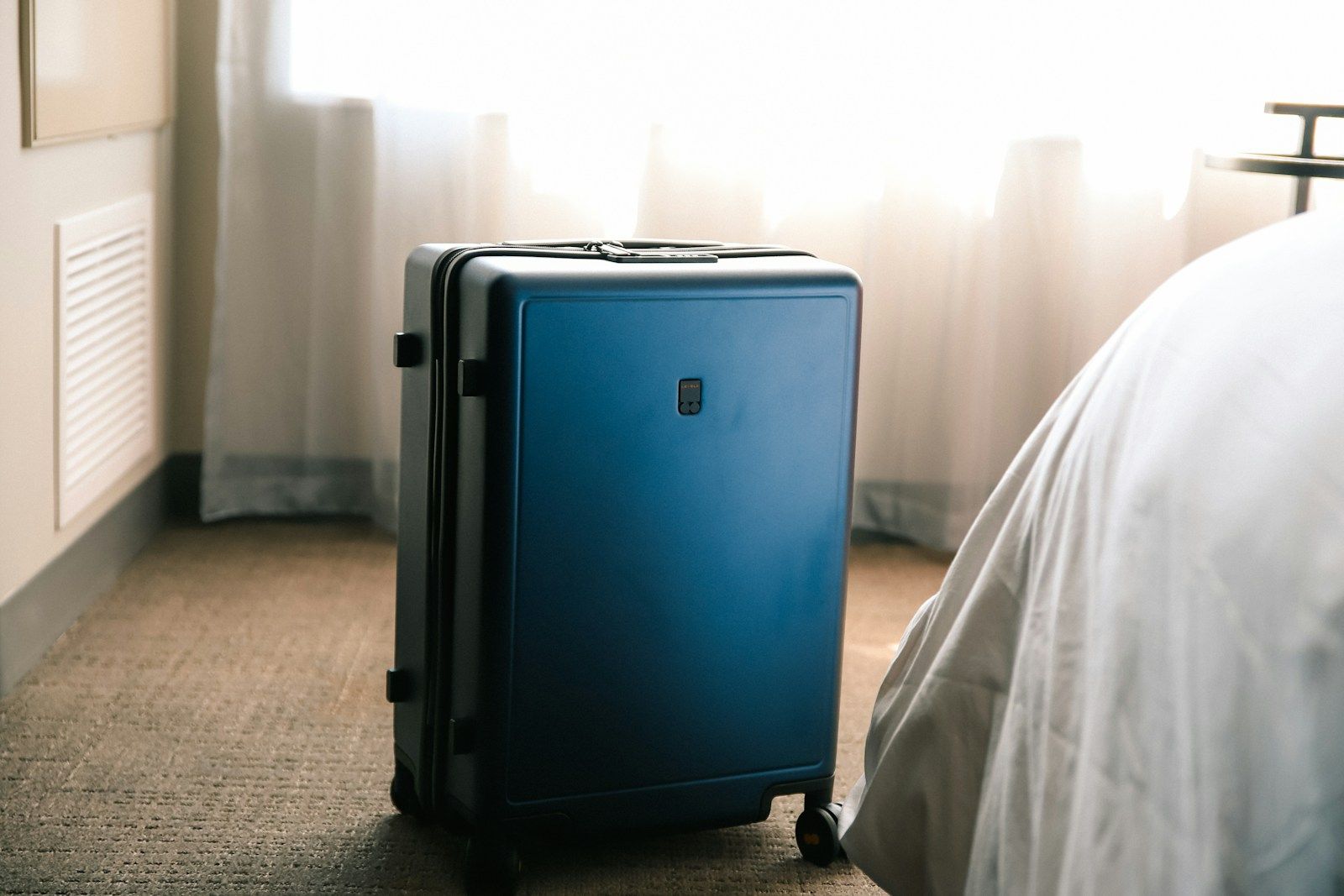
Short answer: Yes, if a covered loss makes your home unlivable. Loss of use coverage (Coverage D) pays the extra cost of living elsewhere, like a hotel or rental, plus higher food and travel costs, above what you normally spend. It has a dollar or time limit, and it won’t pay if the damage itself isn’t covered. Keep every receipt.
Does homeowners insurance pay for a hotel if your house is unlivable?
Yes, when the reason you cannot stay is a covered loss. If a burst pipe floods the first floor, a fire fills the house with smoke, or a storm tears open the roof and the home is not safe to live in, your policy’s loss of use coverage can pay for the hotel or the rental while the house is repaired. It works as an add-on to a claim for the damage, so the same cause that triggers the repair claim triggers the housing coverage.
Two things catch people off guard. First, it pays the extra cost of living away from home, not the total. Your mortgage keeps coming due and your normal groceries would have cost money anyway. Second, it has limits, and it does not pay when the damage itself is not covered. This guide explains how the coverage works, what counts as unlivable, and which receipts to keep. For the foundation of how a standard HO-3 policy is built, see our plain-English guide to what homeowners insurance covers.
What is loss of use, or Coverage D?
Loss of use is Coverage D in a standard homeowners policy. It is one of the six parts of an HO-3, next to the dwelling, other structures, belongings, liability, and medical payments. It has up to three pieces.
Additional living expenses (ALE). If a covered loss makes your home unfit to live in, the policy pays any necessary increase in living expenses so your household can maintain its normal standard of living. That includes a hotel or a rental, higher food costs when you cannot cook, and added travel costs such as a longer commute. ALE pays for the shortest time required to repair or replace the damage, or, if you permanently relocate, the shortest time required to settle elsewhere.
Fair rental value. If you rent out part of your home, such as a basement apartment, and a covered loss makes that part unfit to live in, the policy can pay the fair rental value you lose. You do not receive both ALE and fair rental value for the same space.
Civil authority. If a civil authority, such as the government, prohibits you from using your home because of direct damage to a neighboring property from a covered peril, the policy may pay for a limited period. In the ISO form this is short, so ask how your policy treats an evacuation order.
How does the math work? An example with real figures
The key idea is the difference between what you spend now and what you would normally spend. Here is an illustration with made-up numbers for a family displaced after a covered pipe burst.
| Monthly cost | Normal | While displaced | Extra cost (what Coverage D looks at) |
|---|---|---|---|
| Mortgage | $2,200 | $2,200 (still due) | $0 |
| Hotel or rental | $0 | $4,200 | $4,200 |
| Food | $800 | $2,700 (more meals out) | $1,900 |
| Fuel for a longer commute | $150 | $300 | $150 |
| Total extra per month | $6,250 |
The mortgage is not an extra cost, so it is not reimbursed, although it continues. The hotel is new, so all of it counts. Food counts only for the increase over your normal grocery spending. Over two months, the extra costs come to $12,500. If your Coverage D limit were $40,000, it would run out after about six and a half months at that rate, which is why the limit and any time cap matter if repairs drag on. If the repairs are quick, you may use only a fraction of the limit.
What makes a house unlivable?
The insurer decides whether a home is unfit to live in, based on the facts, so evidence matters. In general, a home is unlivable when a covered loss leaves it unsafe or without essential functions. Examples include no running water or sewage service, no heat in cold weather, no working kitchen or bathroom, structural damage, smoke or contamination, fire or flood damage that closes off essential rooms, or an official order not to occupy it. A mess, a noisy repair, or an inconvenience is not automatically enough, though some insurers will pay for specific extra costs, such as meals out when the kitchen is unusable, even if you could technically sleep at home.
Photograph the conditions that make the home unusable and ask your contractor or a professional to state in writing why the home cannot be occupied during repairs, and for how long. If the insurer disagrees about whether the home is livable, ask for its reasoning in writing and see our claim denied guide.
| Situation | Possible outcome | Why |
|---|---|---|
| A burst pipe floods the first floor and the house has no safe kitchen or water | Usually covered | A covered water loss that makes the home unfit to live in triggers loss of use. See our burst pipes guide for the coverage of the water damage. |
| A fire leaves smoke damage throughout and the power is cut | Usually covered | A covered fire that makes the home unsafe supports additional living expenses while repairs are done. |
| Only the kitchen is torn up for a covered repair; you can sleep at home | Depends | Some insurers pay extra food costs without paying for a hotel. Ask what is covered for a partial loss. |
| A civil authority orders an evacuation because a neighbor’s house burned | Depends | Civil authority coverage is often limited to a short period. Check your policy. |
| Power is out for days after a storm but your house is undamaged | Usually not covered | An outage alone, with no covered damage to your home, does not make it unlivable under the policy. |
| A flood makes the home unlivable and you have no flood policy | Not covered | Flood is excluded from a standard policy, so there is no covered loss to trigger loss of use. |
When does loss of use not pay?
It does not pay when the damage that displaced you is not covered, as with an excluded flood, earth movement, or a long-term leak that the policy treats as maintenance. It does not pay for a power outage alone, or for staying away because you are afraid of conditions that do not make the home unfit. It does not pay for costs you would have had anyway, and it pays for a reasonable time, not forever. It also stops at the limit. If your foundation problem is the cause, see our foundation repair guide for why many foundation losses are not covered, which means the housing coverage would not apply either.
How long does loss of use last?
The coverage is meant to last for the shortest time reasonably needed to repair or replace the damage, or for you to settle elsewhere if you relocate permanently. It also ends when the limit is used up, and some policies add a cap in months. Delays you cannot control, such as a contractor’s backlog, permits, or waiting for materials, are worth documenting, because they are the usual reason a stay runs longer than planned. Ask the insurer in writing how it will treat a delay and what proof it wants. If the insurer says the home is repaired and livable while you disagree, ask for its findings and the date it relied on, and keep your contractor’s written status reports.
What should you do right now?
When you cannot stay in your home
- Make sure everyone is safe, and get out of any unsafe space. Take medicines, documents, and chargers if it is safe to do so.
- Report the loss to your insurer and ask whether you have loss of use coverage, the limit, and any time limit. Ask what it requires before you book lodging.
- Photograph the conditions that make the home unlivable. Ask your contractor or a professional for a written statement about when you can return.
- Book reasonable temporary housing that fits your household’s normal standard of living, and ask the insurer in advance whether it will pay the hotel directly or reimburse you.
- Start a receipt log right away: lodging, food, laundry, parking, extra mileage, pet boarding, and anything else that costs more than usual. Our guide to filing a homeowners claim has a call log you can combine with it.
- Ask for an advance if you cannot cover the costs, and ask how and how often to submit receipts.
- If repairs run late, tell the insurer early and ask in writing for an extension of the housing coverage as long as the delay is not your doing.
Which receipts should you keep?
Keep every receipt and record what you would normally have spent, so the extra cost is easy to show. A table like this works well in a notebook or a spreadsheet.
| Date | What and where | Amount | What you would normally spend | Extra cost | Receipt kept? |
|---|---|---|---|---|---|
| Oct 6 | Hotel, 3 nights | $540 | $0 | $540 | Yes |
| Oct 6 | Dinner for four, restaurant | $92 | $30 (groceries) | $62 | Yes |
| Oct 7 | Laundromat | $18 | $0 | $18 | Yes |
| Oct 8 | Mileage to work, extra 22 miles | $0 | Per policy rate | Log | |
Record mileage with a log, and save credit card statements and booking confirmations. Do not pad receipts or include costs you did not have. The standard for any claim is accuracy, and a claim with invented items can be reduced or denied. Our guide on what not to say to an adjuster covers how to stay precise.

What about renters, landlords, and condos?
Renters. A renters policy generally includes loss of use coverage, often described as additional living expenses, that works the same way when a covered loss makes your unit unlivable. You may also have rights under your lease for a rent reduction or release, depending on the lease and local law. Read both.
Landlords. If you own a rental and a covered loss makes it unlivable, fair rental value coverage can pay for the rent you lose while it is repaired, subject to the policy. Your tenant’s belongings and housing costs are covered by their own renters policy, not yours.
Condos. Your HO-6 policy usually includes loss of use for your unit, and the association’s master policy does not pay your living costs. If the loss is in a neighbor’s unit, see our guide on water damage from an upstairs neighbor.
How much does temporary housing cost, and what limits apply?
We are not printing prices because hotel and rental costs vary a great deal by city and season, and we could not verify any figure. What you can check is your limit. Look at your declarations page for the Coverage D limit, which may be a dollar amount or a percentage of dwelling coverage, and ask whether a time limit also applies. If your family is large, you have pets, or your area is expensive, ask the insurer whether the limit would cover a realistic stay. A limit that sounds large can run out if repairs take many months. And because it pays only the extra cost, your own normal expenses stay yours. For help with the broader claim, see our guides on burst pipes and foundation repair.
Two real scenarios
The pipe that burst. Luz’s pipe bursts while she is at work and floods the first floor. The adjuster agrees that the damage is covered and that the house cannot be occupied during drying and rebuilding. Luz calls her insurer before booking, books an extended-stay apartment at a comparable standard, and keeps a receipt log with her normal grocery spending as a baseline. The insurer pays the extra housing and food costs, and when the contractor’s schedule slips, she asks in writing for an extension, with the contractor’s note about the delay. It is approved.
The evacuation with no damage. A wildfire forces Ramón’s neighborhood to evacuate, but his house is untouched. He books a hotel for several nights. His insurer asks whether a covered peril damaged his home or a neighboring home, and whether a civil authority ordered the evacuation. Ramón’s policy covers only a limited period under civil authority, and only if the order stems from direct damage to a neighbor from a covered peril. He keeps all receipts and the evacuation notice and asks the insurer in writing what applies. A power outage or a precautionary choice to leave without an order would not qualify.
For more on the claim process, see the Claims & Deductibles category.
Frequently asked questions
What makes a house unlivable for insurance?
Generally, damage from a covered loss that makes the home unsafe or unfit to live in, such as no running water, no heat in cold weather, structural damage, smoke or contamination, or a fire or flood that closes off essential rooms. The insurer decides based on the facts, so photograph the conditions and get a contractor’s or professional’s written assessment.
Will homeowners insurance cover hotel stays?
Yes, when a covered loss makes your home unlivable, loss of use coverage can pay the extra cost of a hotel or other temporary lodging, within your limit. It does not pay if the underlying damage is not covered, and it pays the increase over your normal costs, not everything. Keep every receipt.
Will renters insurance pay for a hotel if my place is unlivable?
Often, yes. Renters policies commonly include loss of use or additional living expenses coverage that can pay for temporary housing when a covered loss makes the unit unlivable, within its limits. A rent reduction from the landlord may also apply under your lease. Read your policy and lease.
Does homeowners insurance cover temporary housing?
Yes, loss of use coverage covers temporary housing such as a rental or an extended-stay hotel while a covered loss is repaired, usually up to a dollar limit or a time limit. Ask your insurer how it handles a lease, a deposit, and furniture rental before you commit.
Sources
- Ask an expert: loss of use — United Policyholders
- Homeowners insurance and temporary housing — American Family Insurance
- Homeowners Insurance, GAO-14-179 — U.S. Government Accountability Office
- Homeowners 3 — Special Form, ISO form HO 00 03 05 11 — Maine Bureau of Insurance
CoverClaro explains insurance. We do not sell insurance or give personal advice. Your policy and insurer determine your coverage.