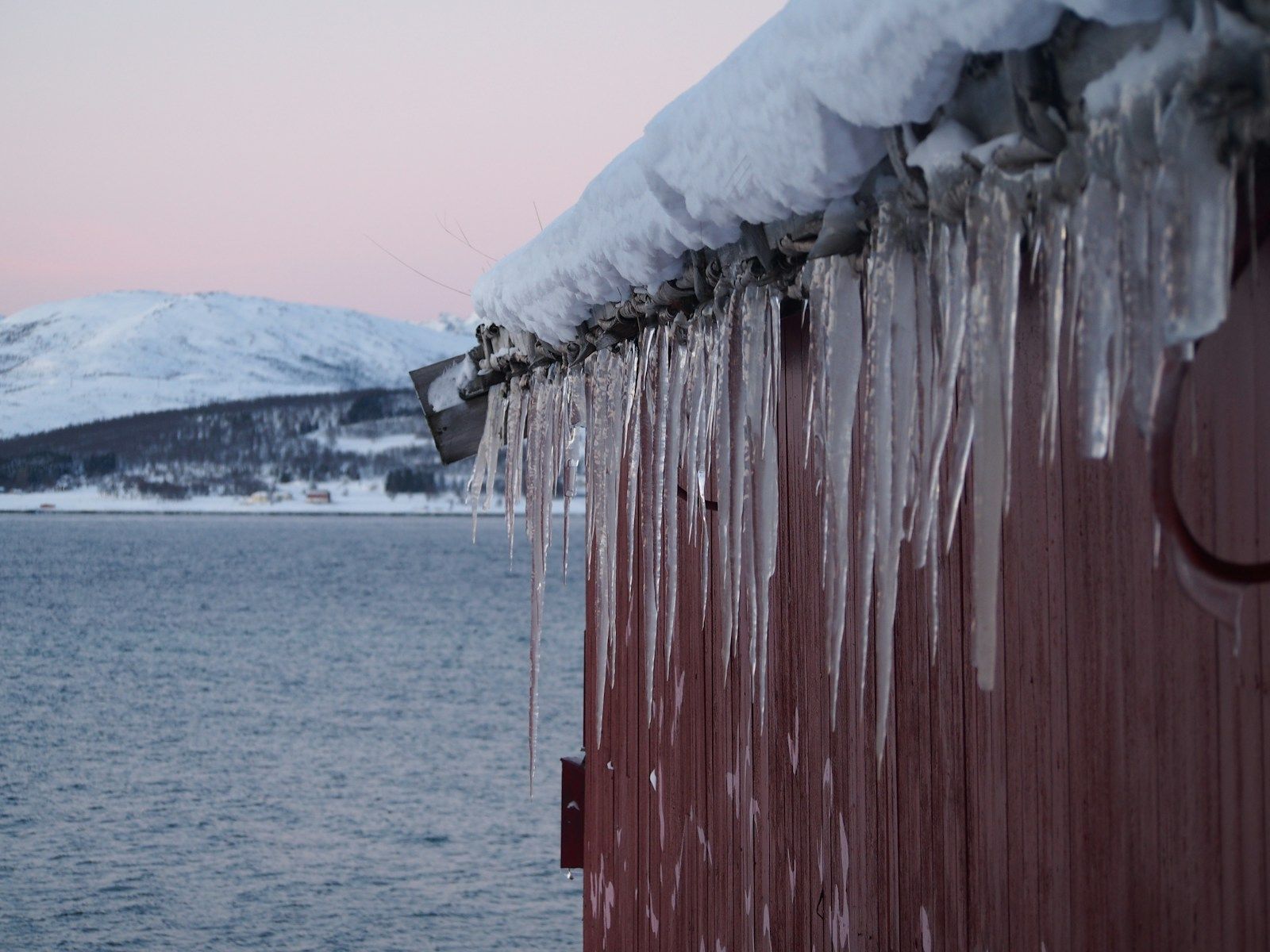
Short answer: Partly. Most policies cover the interior damage when water from an ice dam leaks into ceilings and walls, and roof damage from the weight of ice or snow. They usually don’t pay to remove the ice dam or to fix the ventilation and insulation problems that cause it. Repeated ice dam leaks can look like neglect.
Does homeowners insurance cover ice dam damage?
In part. When an ice dam forces water under your shingles and it stains a ceiling, soaks insulation, or runs down a wall, the resulting interior damage is often covered under a standard HO-3 policy, subject to your deductible. The structure can also be covered for damage caused by the weight of ice or snow. What the policy usually does not pay for is the ice dam itself, meaning the cost of steaming or chipping it off, or for the underlying insulation and ventilation problems that let it form. Insurers treat those as home maintenance.
The line between a one-time winter leak and a recurring one matters a lot. A first leak after an unusually heavy snow reads as a covered accident. The same leak in the same spot three winters in a row reads as a known problem that was never fixed. For the coverage framework behind all of this, see our plain-English guide to what homeowners insurance covers.
What is an ice dam, and why does it form?
An ice dam is a ridge of ice at the edge of a roof that blocks melting snow from draining. It forms when heat escapes from the house into the attic and warms the roof deck, so the snow on the upper roof melts. The water runs down to the eaves, which are cold because they extend past the heated house, and refreezes. Over time the ice builds into a dam. Water that cannot get past it backs up under the shingles and can get into the attic, ceiling, and walls.
Notice what the diagram implies for insurance. The cause starts inside the house, with heat loss. That is why insurers, and many contractors, see an ice dam as a symptom of insulation, air sealing, or ventilation. It is also why the policy may cover the water that gets in and still decline to pay for the fix that keeps it from happening again.
What does your policy cover when an ice dam leaks?
Interior water damage. Drywall, paint, insulation, flooring, and cabinets damaged when ice dam water gets into the house are generally treated as covered damage to the dwelling under a standard HO-3, minus the deductible, when the loss is sudden and no exclusion applies. Belongings are covered only for the named perils in your policy, so read how it treats water that enters through the roof and any limits on personal property.
The roof and structure. The HO-3 form names the weight of ice, snow, or sleet as a covered peril for damage to property in a building, and the dwelling itself is covered against direct physical loss unless excluded. Collapse of a roof or part of a building from the weight of ice or snow is a classic covered cause. Damage to the roof covering from ice weight can be part of the claim too.
Loss of use. If a leak makes part of the house unusable, loss of use coverage may pay for added living expenses, within its limits.
What is not covered?
The ice dam itself. The cost to steam, chip, or remove an ice dam is usually treated as maintenance, not as a covered repair. Some insurers will pay for emergency removal when it is needed to stop active damage, as part of the policy’s expectation that you take reasonable steps to protect the property. Do not assume, and ask before you hire.
The cause. Improving attic insulation, sealing air leaks, adding or fixing ventilation, and installing heat cables or an ice and water barrier are home improvement and maintenance. The policy generally excludes faulty, inadequate, or defective maintenance, and wear and tear.
Gradual or repeated damage. Insurers are more skeptical of a leak that keeps coming back. If the same ceiling stained last winter and the one before, the insurer may argue that the owner knew about the problem and left it unrepaired. Be ready to show what you fixed after each event.
| Situation | Possible outcome | Why |
|---|---|---|
| Water from an ice dam stains and soaks a ceiling and insulation | Usually covered | Resulting interior water damage is generally covered when it is sudden and not excluded, after your deductible. |
| The weight of ice or snow damages or collapses part of the roof | Usually covered | Weight of ice, snow, or sleet is a covered cause in a standard HO-3, subject to your policy’s wording. |
| Steaming or chipping the ice dam off the roof | Usually not covered | Considered maintenance. Some insurers pay emergency removal to stop active damage, so ask first. |
| Adding attic insulation, air sealing, or ventilation | Not covered | That is fixing the cause. It is home maintenance, not a covered repair. |
| The same ice dam leak happens again after you did not fix the cause | Depends | Repeated leaks can look like neglect, and the insurer may deny or limit the claim. Document what you repaired. |
| Water damage that shows mold weeks later | Depends | Mold has its own limits and exclusions. Our mold guide explains how a policy treats mold that follows a covered leak. |
How do you document an ice dam claim?
Because snow melts and ice changes, evidence disappears. Photograph the ice at the roof edge, the icicles, the snow depth on the roof, and the water stains, with dates visible. Use a tape or ruler for scale. Photograph the attic, if safe: wet insulation, frost on the underside of the roof deck, stains, and any daylight or air leaks. Keep a short log of the weather, such as heavy snow followed by a thaw, and note when you first saw water. If a contractor removes the ice or inspects the roof, ask for a written report that describes what they saw, where water entered, and what they think caused it.
Do not climb an icy roof. Falls are a serious hazard, and chipping at ice can damage shingles and gutters, which then becomes damage that is harder to claim. Hire a qualified roofing or ice dam removal professional, and tell your insurer what you did and why. Our guide to filing a homeowners claim covers the call, the adjuster visit, and a call-log template.
What should you do right now if water is coming in?
When an ice dam is leaking
- Protect people and belongings first. Move valuables from under the leak, catch drips with buckets, and avoid stepping near wet outlets or fixtures.
- Photograph the ice, icicles, snow, stains, and any wet insulation before anything is moved or removed.
- Do not go onto an icy roof. If you want the ice or snow cleared, call a qualified professional, and ask whether your insurer needs to approve or see the work.
- Report the loss to your insurer promptly and ask what it covers about removal and temporary repairs. Keep receipts for emergency work.
- Dry wet materials quickly to limit mold, and note what you remove. Ask the adjuster what should be kept for inspection.
- Ask a contractor for a written assessment of the cause: insulation, air leaks, ventilation, roofing details, or something else.
- Make a plan to fix the cause before next winter, and keep invoices. A record of fixes helps if the problem recurs.
How much does it cost to fix?
We are not printing dollar ranges because we could not verify them against a source, and costs differ by region, roof, and how deep the problem goes. Here is what the bill is made of and how a policy usually treats each part.
| Cost item | What drives the price | Usually paid by insurance? |
|---|---|---|
| Ice and snow removal | Roof pitch, height, amount of ice, method such as steaming | Usually not; some insurers pay emergency removal to stop active damage |
| Interior repair: drywall, paint, insulation, flooring | Area affected and finishes | Yes, when the loss is covered, after your deductible |
| Roof repair from weight or leaks | Extent of damage, roof age and type | Often, subject to roof age and payment terms |
| Attic insulation, air sealing, ventilation | Size of attic, access, materials | No, this is home maintenance |
| Heat cables or ice and water barrier | Roof size, installation, electrical work | No |
| Mold remediation after the leak | Area and moisture | Depends on mold limits and exclusions; see our mold guide |
Should you file a claim for ice dam damage?
Look at the covered damage against your deductible. As an illustration with made-up numbers: an ice dam leak damages a ceiling, insulation, and a wall for $5,500, and your deductible is $1,500. A covered claim might pay about $4,000. If your premium is $1,900 a year and you assume a 10% increase for three years, the added cost is about $570. Filing likely pays off. If the damage were $1,800, the payout would be about $300, and the premium effect could exceed it. The claim calculator does this arithmetic with your numbers, and our guide to premiums after a claim explains how claims history works.
Two cautions. The repair of the cause is on you either way, so budget for it. And if a leak recurs, an insurer may look at the history and treat it differently, so a one-time claim on a first leak is stronger than a repeated claim with no fixes in between.
Two real scenarios
The first leak. After a week of heavy snow and a thaw, Tamara notices a stain spreading across the ceiling near an outside wall. She photographs the ice at the eave and the stain, puts out buckets, and calls her insurer. The adjuster sees wet insulation in the attic and approves the interior repair, minus the deductible. The insurer does not pay for the ice removal, so Tamara hires a roofer for that and asks an insulation contractor to evaluate her attic. The invoices go in her file.
The third winter. Kevin’s ceiling stains in the same spot three winters in a row, and he repaired the drywall each time without doing anything about the attic. This year the insurer denies the claim, saying he knew about the problem and did not fix the cause, which it calls a maintenance issue. Kevin asks for the denial in writing with the policy language and compares it with his policy, as our claim denied guide explains. His facts are weak, because there is no record of repairs to the cause. A report on the attic and a documented fix would have made the history look different.
How do you stop ice dams next winter?
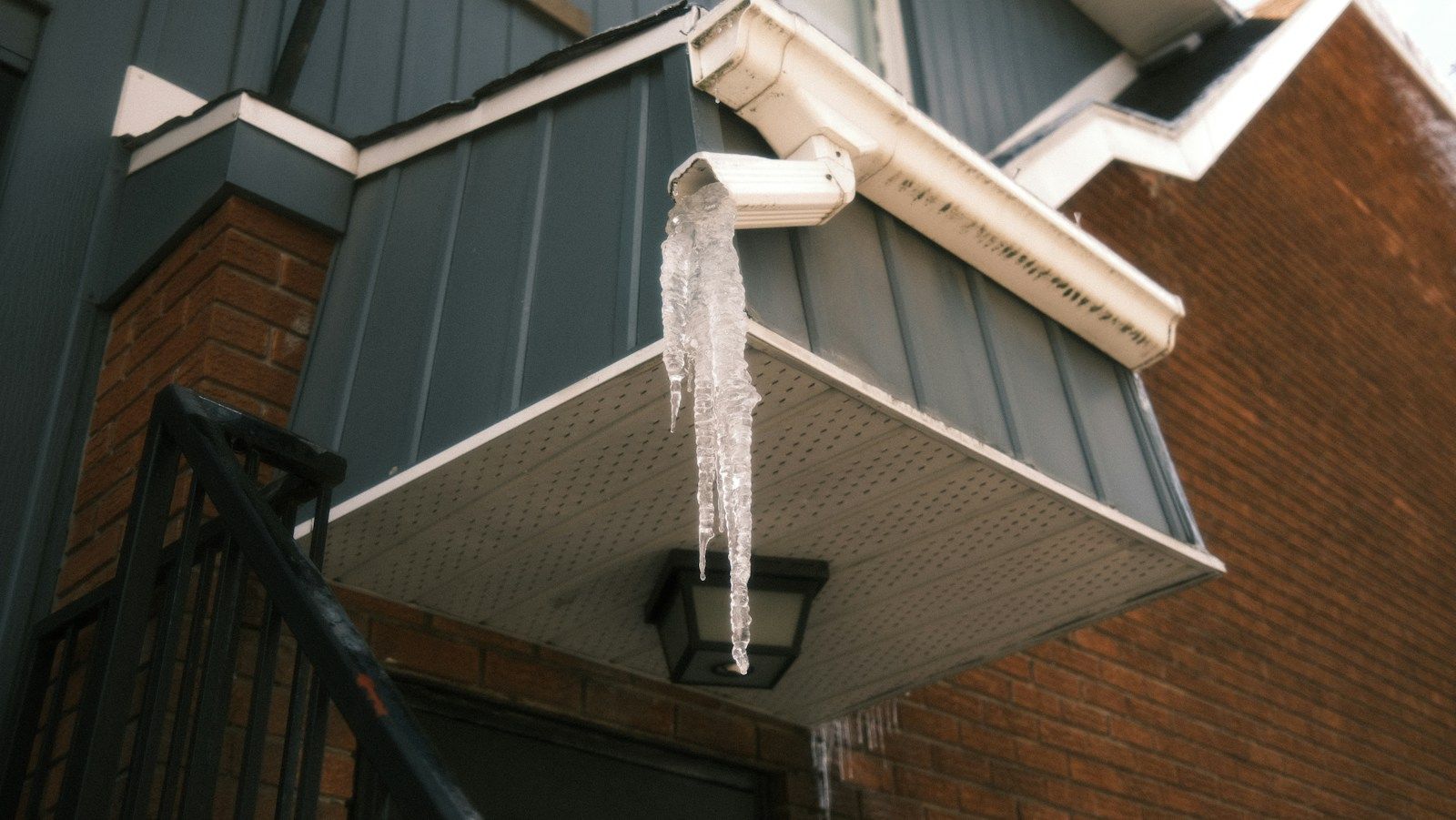
The goal is to keep the roof deck cold and let heat go outside instead of into the snow. Seal air leaks from the living space into the attic, such as around light fixtures, attic hatches, and pipe and wire penetrations. Add insulation to the attic floor to the level a qualified contractor recommends for your area. Make sure the attic is ventilated so cold air moves along the underside of the roof. Keep gutters and downspouts clear so meltwater has somewhere to go. A roof rake used from the ground can clear snow near the eave without you climbing on the roof.
Heat cables along the eave can melt channels for water to escape, but they treat the symptom and need to be installed safely. On a new or replaced roof, ask the roofer about an ice and water barrier at the eaves. If your roof is old, replacement may be a bigger conversation, and our guide on old roofs and insurance explains how roof age changes what a policy pays. If a leak leaves lingering moisture, read the mold guide, and for related situations see our Weather & Disasters category, including the guide on a neighbor’s tree falling on a house.
Frequently asked questions
Are roofers responsible for ice damming?
Usually the cause is heat escaping from the house into the attic, which melts snow on the roof so the water refreezes at the cold eave. That is an insulation, air sealing, and ventilation problem more than a shingle problem. Some roofing details, like underlayment and flashing at the eaves, can make leaks more or less likely, so a roofer’s workmanship can matter, but fault is a separate question from coverage.
Will insurance cover a 30-year-old roof?
Often for sudden covered damage, but not always in full. Many insurers pay only the depreciated value on older roofs, or limit what they pay by roof age. Wear and tear is not covered. Our guide on old roofs and insurance explains actual cash value, payment schedules, and non-renewals.
What are three things not covered by homeowners insurance?
Typical exclusions include flood, earth movement such as earthquakes, and wear and tear or neglect. Many policies also exclude sewer backup unless you add an endorsement. Your own policy lists the exact exclusions and limits.
How do you prevent ice dams?
Reduce the heat reaching the roof: seal air leaks from the living space into the attic, add insulation, and keep the attic ventilated so the roof deck stays cold. Keep gutters and downspouts clear, and use a roof rake from the ground to clear snow near the edge. Ask a qualified contractor to evaluate your attic and roof.
Sources
- Winter storm home insurance coverage — Acceptance Insurance
- Making Boston ice dam insurance claims that will get paid — G.F. Sprague Insurance
- Homeowners 3 — Special Form, ISO form HO 00 03 05 11 — Maine Bureau of Insurance
CoverClaro explains insurance. We do not sell insurance or give personal advice. Your policy and insurer determine your coverage.