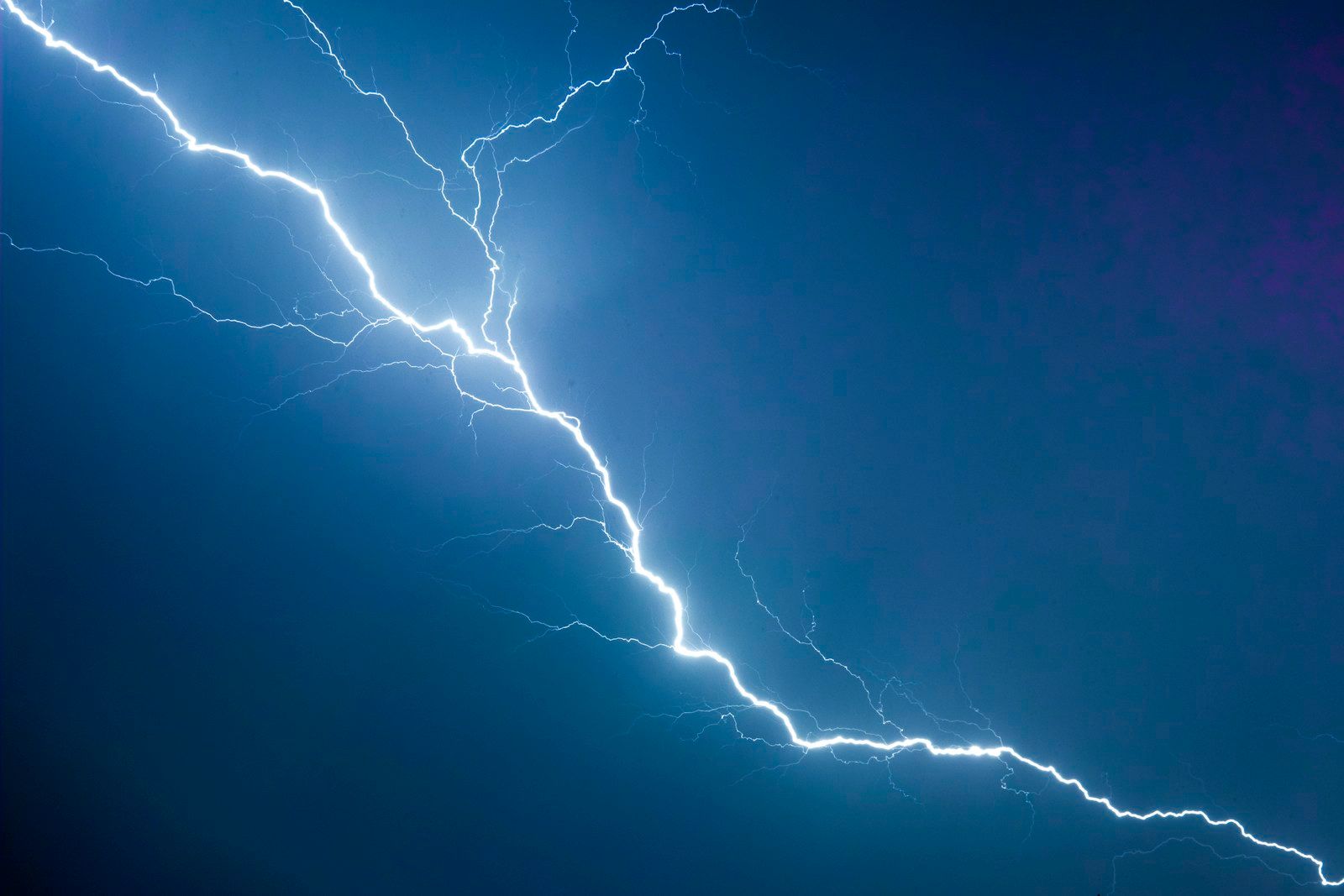
Short answer: Yes. Lightning is a covered peril, including fires and damage to electrical systems, appliances and electronics that result from a strike. You will need proof it was lightning, such as burn marks, an electrician’s report or storm records. Many lightning claims are small, so compare the loss with your deductible before filing.
Does homeowners insurance cover lightning damage?
Usually, yes. The National Association of Insurance Commissioners (NAIC) includes lightning among the perils typically covered by homeowners policies. A covered lightning loss can affect more than the point where the bolt struck: current may travel through wiring, a fire may start, and an impact may damage the roof, chimney, tree, or other property. The exact answer still comes from your policy, its limits and exclusions, the facts of the event, and the deductible.
Begin with our guide to what homeowners insurance covers, then check your declarations and policy wording for lightning, fire, electrical current, and personal-property provisions. A named-peril policy may list covered causes; a special-form policy generally covers direct physical loss unless an exclusion applies. The wording and form differ, so do not assume that every electrical failure is a lightning claim.
A lightning strike, a power surge, and an appliance failure are different causes
The word “surge” describes an electrical symptom, not necessarily its cause. A nearby lightning strike can send a voltage surge through a home’s electrical system. A utility event, an internal wiring problem, a failed component, or ordinary wear can also leave an appliance unusable. A claim is stronger when the evidence explains both what failed and why.
| What happened | Evidence that may help identify it | Coverage question |
|---|---|---|
| A strike hit the house or a nearby tree | Visible impact or burn marks, storm records, fire or emergency reports | Does the policy cover direct lightning damage to the affected structure or property? |
| Several devices failed at the same time | A licensed electrician’s or repair technician’s written findings and a list of affected circuits | Is there evidence of a lightning-related surge rather than unrelated device failure? |
| Only one old appliance stopped working | Service history, age, error messages, and a technician’s diagnosis | Could wear, a defect, or mechanical breakdown explain the failure? |
| A fire followed the strike | Fire department report, photos, and records of the origin investigation | Which building, contents, cleanup, and temporary-housing coverages apply? |
Our guide to proving power-surge damage focuses on that cause question. Do not tell the insurer that lightning was the cause just because the event happened during a storm. Share the timeline, observations, and professional findings; if the cause is not known yet, say that plainly.
What property may be involved in a lightning claim
The dwelling. A direct strike may damage a roof, chimney, wiring, a breaker panel, or other building components. A licensed electrician should assess electrical equipment; a homeowner should not open a panel or touch wiring to collect evidence. The insurer may ask for a repair scope, inspection findings, or proof that an item needs replacement rather than repair.
Personal belongings. Electronics, appliances, and other possessions may fall under personal-property coverage if the damage came from a covered cause. The applicable limit and valuation method matter. A policy may settle belongings at actual cash value or replacement cost, and special limits may apply to particular types of property. List each item separately instead of reporting “all electronics” as one amount.
Fire and smoke. If lightning starts a fire, the resulting structure and contents damage is evaluated under the fire provisions and other policy terms. Smoke and soot can affect rooms or belongings beyond the area burned. Photograph the damage and retain cleanup or restoration records; do not re-enter a building until authorities say it is safe.
For a major fire, separate the inventory into rooms and into categories such as furniture, clothing, electronics, and kitchen items. A room-by-room list is easier to compare with photographs and purchase records than a single total. Mark items as damaged, destroyed, or still being evaluated, and keep a copy of the list when sending updates. If the home may be a total loss, ask the insurer to explain how the dwelling limit, personal-property limit, debris removal, code provisions, and temporary-housing coverage are handled; the policy’s stated limit is not a guaranteed check for that amount.
The same careful inventory helps even when only one room was affected: the smoke line can cross a hallway, and soot may settle on items that look intact. Ask the restoration professional how to document items before cleaning, and keep the explanation with the claim file.
If a tree on your property is struck by lightning. Lightning can split a tree, set it on fire, or kill it without bringing it down, and the policy treats those outcomes differently. The wording below comes from the ISO homeowners form HO 00 03 05 11 published by the Maine Bureau of Insurance. Your policy may differ, so use it as a checklist of questions for your insurer, not as a promise.
- The tree itself. The form’s trees, shrubs and other plants coverage lists fire and lightning among the covered causes of loss, with a limit of 5% of the dwelling limit and no more than $500 for any one tree, shrub or plant. A mature tree can be worth far more than $500 to replace, so expect a small payment for the tree.
- Removing a tree that fell. The form’s debris removal coverage pays up to $1,000 per loss, and no more than $500 for any one tree, to remove a tree that falls, but only for certain causes (windstorm, hail, or the weight of ice, snow or sleet) and only if it damages a covered structure or blocks a driveway or ramp. Lightning is not on that list, so ask whether general debris removal applies when a lightning strike is what brings the tree down.
- A tree that is dead but still standing. The form does not list this situation, so there is no assumption to rely on. Ask the insurer in writing whether removing it is covered before you pay a tree service.
- Damage the tree causes when it falls. If the tree lands on the house, a fence, or a shed, the damage to that property is evaluated under the coverage for the house or other structures. Our guide to a neighbor’s tree falling on a home explains how ownership of the tree and covered damage are separate questions.
Photograph the tree before anyone cuts it, including the burn marks, split trunk, and any damage around it, and keep the arborist’s invoice and written opinion. If you need to make the area safe right away, take photos first and keep the receipts, but tell your insurer what you plan to do so you do not lose evidence it may want to see.
Temporary housing. If fire or structural damage makes the home unsafe to live in, ask whether additional living expenses (ALE) applies and what records are needed. This coverage is generally tied to a covered loss and to the extra expense you actually incur; it does not automatically pay every hotel or meal bill. Keep receipts, note why you had to leave, and follow the insurer’s instructions. The separate guide to temporary housing after a covered claim explains the documentation.
Outdoor power and detached structures. A lightning event may affect a detached garage, outdoor electrical equipment, or a well system, but each item can fall under a different coverage part or limit. Do not assume that a service call, inspection, or code upgrade is covered just because the event is covered. Ask the adjuster to identify whether a cost is for detecting damage, repairing covered property, or improving an undamaged system.
Safety comes before documenting the claim
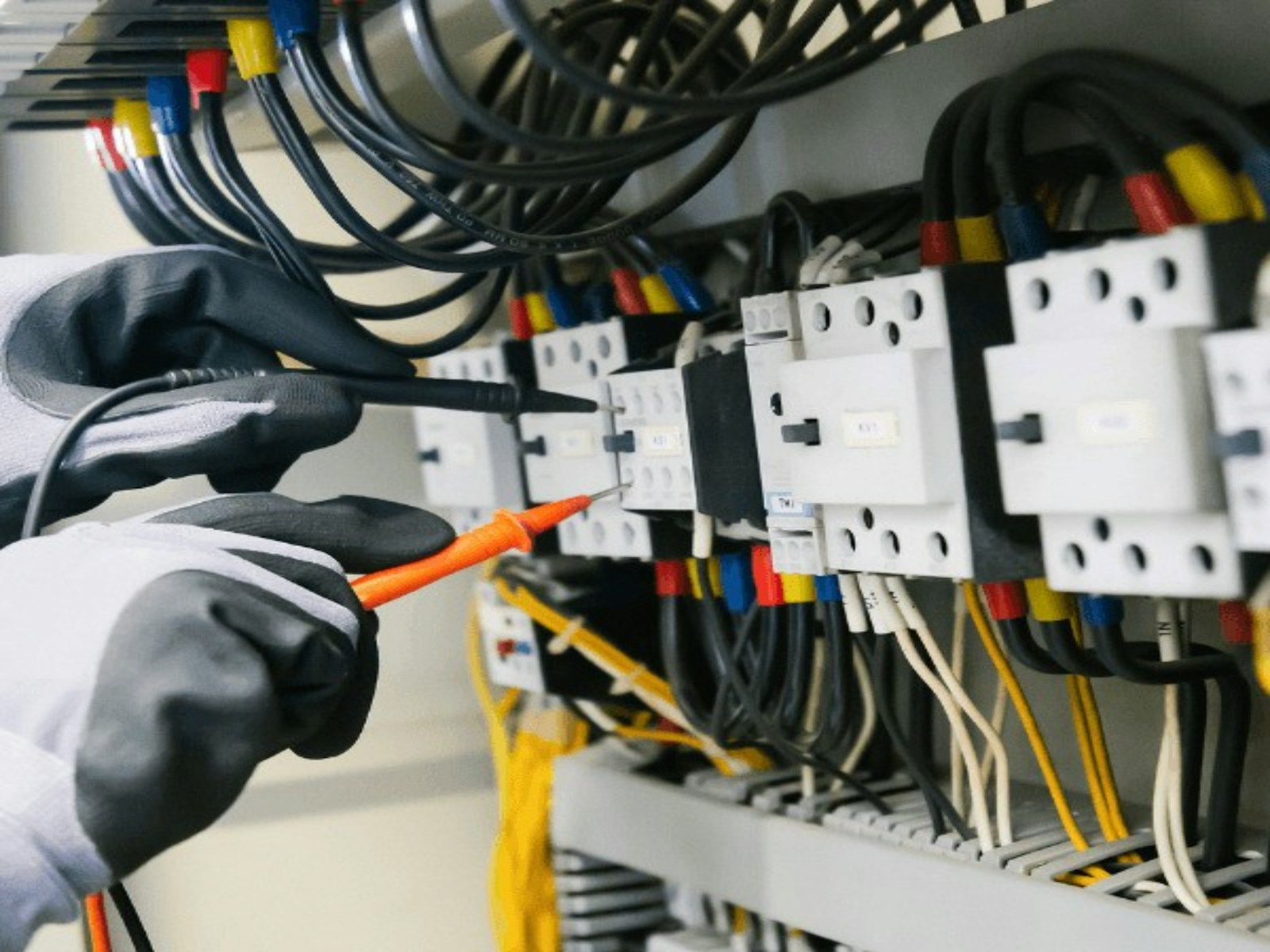
Lightning can create fire, damaged wiring, and unsafe structures. The National Weather Service advises people to take shelter during a thunderstorm and avoid contact with plugged-in electrical equipment, plumbing, and corded phones while lightning is nearby. After a suspected strike, do not touch a damaged outlet, exposed wire, wet electrical equipment, or a fallen tree near a power line. Call emergency services for an active fire, immediate danger, or a hazard that needs urgent response.
Once the area is safe, photograph the exterior, affected rooms, equipment, and visible marks. Do not recreate a dangerous condition or remove a device before it is safe to handle. If an electrician or fire official gives safety instructions, follow them even if that delays photos. Note what was already moved, disconnected, or repaired so the adjuster understands why the evidence looks different from the moment of impact.
How to document the cause and the damaged items
Write a timeline while details are fresh: the time the storm passed, what you heard or saw, whether lights flickered, when a device stopped working, and when smoke or burning odors appeared. Weather records can show that thunderstorms were present in the area, but a storm report alone does not establish a strike at your address. A fire report, a utility outage notice, or a professional inspection may add context.
For each damaged item, record the make, model, approximate age, purchase information, location, and observed problem. Take photographs of the item and any label or serial number that can be reached safely. Save receipts, repair estimates, service tickets, and written explanations. If a technician says a circuit board failed from electrical overvoltage, ask for that finding in the report and whether the technician can distinguish a surge from ordinary failure.
Ask the professional to describe the inspection method and observations in plain language. “Not working after the storm” is useful timing information, but it does not explain the failure mechanism. A report that notes a scorched connector, a failed surge-protection component, or damage across several devices may be more informative, if those facts were actually observed. Do not ask a technician to write a cause they cannot support. The insurer may arrange its own inspection or request additional information.
Keep damaged property until the insurer has had a reasonable chance to inspect it, if safe and practical. If fire, smoke, or electrical hazards require disposal, photograph the item and its identifiers first, keep any safe component the insurer asks you to retain, and save disposal or replacement receipts. Do not throw away equipment that is being examined without checking claim instructions.
Deductibles, limits, and whether a claim is worth filing
The deductible is the amount you pay toward a covered loss before the insurer pays under the applicable coverage. A lightning claim might involve damage to the building and belongings, and the policy may specify how the deductible applies. Check whether a separate deductible or special limit is relevant instead of assuming the general homeowners deductible controls every item.
Use a simple hypothetical to see why small claims need a careful comparison. If documented covered repairs and replacement items total $1,900 and the applicable deductible is $2,000, the loss may not produce a payment before other terms are considered. If lightning starts a fire and damages multiple rooms, the estimate could be much larger, but policy limits, depreciation, exclusions, and temporary-housing rules still shape payment. These are examples of arithmetic, not typical claim amounts.
Filing can have effects beyond the immediate payment. Claim history may be one factor insurers consider when pricing or renewing a policy, but no universal premium change can be promised from one lightning claim. Our guide to how a homeowners claim may affect a premium describes the variables. For a small loss, compare the likely covered amount after the deductible with your own repair cost and ask your agent or insurer how claim reporting works before deciding.
An electrical report can also reveal that the home needs a separate maintenance repair. Keep that finding distinct from the damage you believe occurred during the strike. If a repair includes both a damaged component and an upgrade or correction to older wiring, ask the contractor to separate those tasks in the estimate. This makes it easier for the adjuster to review what was directly damaged, what was already deficient, and what work is required for a safe repair.

Reporting and following up
If you decide to report, do so promptly and use the insurer’s claim channel. The NAIC recommends notifying the company right away; exact notice requirements can vary by policy and state. Give a factual description and separate what you observed from what a technician later concluded. Keep the claim number, names, dates, estimates, and copies of messages in one folder.
Ask the adjuster which items need inspection and whether you should obtain repair estimates before work begins. Make only necessary emergency repairs to protect people and prevent more damage, and preserve receipts. For electrical or fire work, use qualified professionals. If the insurer’s estimate omits an affected circuit, room, appliance, or smoke-cleaning task, send the relevant report and ask for a written review of that specific item.
If the company limits or denies the claim, request the policy language and factual basis in writing. A denial of one electrical device does not automatically mean that a separate fire or building damage item is also denied. The NAIC’s homeowners claim guide covers records and follow-up. Your state insurance department can explain complaint processes, while coverage disputes requiring legal advice call for a qualified attorney.
FAQ
Frequently asked questions
Does homeowners insurance cover a lightning strike?
Usually, lightning is a covered peril under homeowners insurance. The policy may cover direct physical damage to the home and belongings, plus fire that follows, subject to limits, exclusions, and the deductible. The insurer may ask for evidence connecting the damage to a lightning event.
Will insurance replace electronics damaged by lightning?
It may cover damaged electronics when the loss resulted from a covered lightning strike, but the payment depends on the policy, personal-property limit, valuation method, special limits, and deductible. Keep the devices for inspection when safe, photograph labels and damage, and save technician reports and purchase records.
Is a power surge the same as lightning damage?
Not always. A nearby lightning strike can cause a surge, while a utility interruption, faulty wiring, or equipment failure can have a different cause. Coverage depends on the actual source and policy wording. Our power-surge guide explains what an electrician's report and utility records can help establish.
Should I file a claim for lightning damage?
Compare the documented covered loss with the deductible and likely valuation before deciding. A small appliance loss may fall below the deductible, while a fire or damage to wiring and several systems can be much larger. Ask the insurer how the deductible and any special property limits apply.
Does homeowners insurance pay to remove a tree struck by lightning?
It depends on the form and on what happened to the tree. In the ISO form HO 00 03 05 11, lightning is a covered cause for the tree itself, up to $500 per tree, but its tree-removal wording lists windstorm, hail, and the weight of ice, snow or sleet. Ask your insurer in writing before you pay for removal.
Sources
- Insurance Topics: Homeowners Insurance — National Association of Insurance Commissioners
- Covered Perils — Maine Bureau of Insurance
- Homeowners 3 – Special Form (ISO form HO 00 03 05 11) — Maine Bureau of Insurance
- Overview: Lightning Safety — National Weather Service
- What You Need to Know When Filing a Homeowners Claim — National Association of Insurance Commissioners
CoverClaro explains insurance. We do not sell insurance or give personal advice. Your policy and insurer determine your coverage.