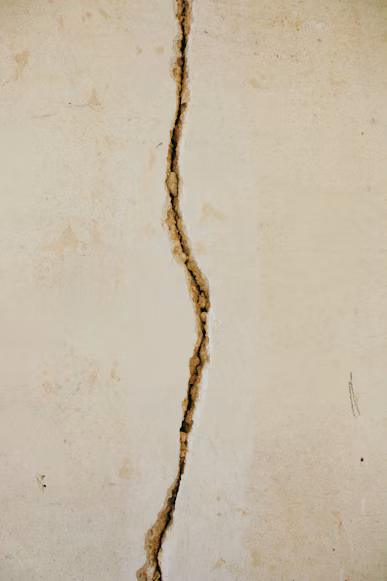
Short answer: No. Standard homeowners insurance excludes earthquake damage, including cracked foundations and collapsed walls. You need a separate earthquake policy or an endorsement, which usually carries a percentage deductible. A fire that starts after the quake is generally covered under the regular policy, but the earthquake damage itself is not.
Why a standard home policy usually does not pay for earthquake damage
Earthquake damage is commonly excluded from a standard homeowners policy. A separate earthquake policy or an endorsement is generally needed for direct shaking damage to a house, belongings, or other listed property. A California Department of Insurance guide states that homeowners, renters, and condominium policies do not cover earthquake damage and explains separate earthquake coverage. That is a general consumer framework; the issued policy, state rules, and the separate earthquake contract still control the loss.
“Earth movement” is broader than a dramatic crack in the ground. Policy wording can address shaking, land movement, settling, landslide, or other movement, and exclusions can apply to direct and indirect damage. An endorsement may restore coverage for a specified earthquake loss, but it does not automatically turn every related event into a covered claim. Read both the base policy and the earthquake form, including exclusions and definitions.
Look at the property affected as well as the cause. Shaking may crack a foundation, break a chimney, topple contents, damage a detached garage, or leave a home temporarily uninhabitable. A separate earthquake policy may cover some of those categories, but the insured location, selected limits, deductible, and definition of covered property matter. Do not assume that one limit pays every repair or that the policy covers the land beneath the house.
What a separate earthquake policy may cover
Earthquake contracts may offer coverage for the dwelling, personal property, and additional living expenses. The California Earthquake Authority describes these coverage parts and offers policy options with different ways to select coverage and deductibles. Those are examples of a particular program, not a universal design. A different insurer or state may use other coverages, limits, options, and claim rules.
| Coverage part | What to check | Example question |
|---|---|---|
| Dwelling | Limit, covered building, structural damage requirements, settlement method | Does this limit apply to the main home only, and how is a damaged foundation evaluated? |
| Personal property | Whether included, categories and special limits, deductible treatment | Are furniture and electronics covered, and do they share the dwelling deductible? |
| Additional living expenses | Trigger, covered period, limit, and documentation | What extra costs qualify if the home cannot be occupied after covered shaking damage? |
| Other structures | Whether garages, fences, pools, or detached buildings are included | Is a detached structure insured, or must I add it separately? |
| Land and stabilization | Exclusions, optional coverage, engineering requirements | Does the contract pay to stabilize soil or only repair the insured building? |
The list shows questions, not guaranteed benefits. The California Department of Insurance says earthquake coverage does not cover all losses; for example, its guide separates fire coverage and identifies flood and land damage as exclusions under many earthquake policies. If the quake triggers a landslide, a pipe break, a fire, or a flood, each resulting loss can fall under a different policy or exclusion. Ask the carrier to identify the sequence it believes caused each item of damage.
The deductible can be the largest part of the decision
Earthquake policies often use a percentage deductible rather than a small fixed amount. The percentage and the base used to calculate it are defined by the contract. Do not assume that a percentage is taken from the repair bill; a policy may apply it to a selected dwelling coverage limit. Read the declarations page and ask the insurer to show the calculation in dollars for each coverage part before you choose a policy.
For an illustration only, imagine a policy with a $300,000 dwelling limit and a 10% deductible applied to that limit. The arithmetic would be $30,000. This hypothetical does not describe a typical price, legal minimum, or any particular earthquake product. Actual policies can define the deductible differently, offer other percentages, or apply separate terms to property and dwelling coverage. Verify the actual base and percentage in the quote.
A high deductible means small or moderate damage might not produce a payment even when the cause is covered. Compare your emergency savings with the deductible and the likely repair scope; do not choose a percentage simply because the premium looks lower. The percentage deductible guide explains how to read the arithmetic. A deductible is not the same as a coverage limit, and the insurer does not pay the deductible back after repairs.
Fire after an earthquake is a separate question
Fire that follows an earthquake may be handled differently from direct shaking damage. California’s insurance department says California homeowners and renters policies must cover fire damage caused by or following an earthquake. That state-specific rule should not be generalized to every state. Outside California, the policy wording and local law determine whether a fire loss is covered by the regular property policy, the earthquake policy, or another contract.
Keep the cause chain clear. If shaking damages a gas line and a fire later damages the structure, the adjuster may need to separate fire damage from the original structural movement. A fire department report, photos, utility records, inspection reports, and a timeline may help establish what happened. Report the full sequence honestly and ask each insurer which policy handles each part. Do not describe earthquake cracking as fire damage merely because a fire occurred later.
Water losses can branch the same way. A quake may rupture a supply pipe, while outside floodwater may enter later. A standard policy may treat a sudden interior pipe discharge differently from flood, and earthquake insurance may have its own exclusions for water, sewer backup, or tsunami. Our burst-pipe guide explains the separate water question. Ask the adjuster to write down the cause assigned to each wet area and which contract applies.
Earthquake damage versus foundation problems
A crack, uneven floor, sticking door, or chimney separation can have more than one cause. Settling, moisture, poor drainage, age, construction defects, and seismic movement may produce overlapping symptoms. A photograph documents what you see; it does not establish when the condition started or what caused it. A structural engineer or other qualified professional may be needed to inspect the building, depending on the damage and the insurer’s process.
Keep existing records that show the home’s condition before the event: inspection reports, repair invoices, dated photos, renovation records, and any earlier notes about cracks. After shaking, take new photos from safe locations and note the time you first saw a change. Do not cover or remove material before it is documented when waiting is safe. If emergency repairs are needed to protect the home, save receipts and ask the insurer about inspection requirements.
Our foundation repair guide covers the difference between gradual settling and a sudden event. The earthquake policy may also require proof of structural damage before a benefit applies. The California Earthquake Authority’s options explain that earthquake coverage is subject to limits and policy terms; a crack alone is not an automatic payment trigger. Ask which inspection findings meet the contract’s definition and request a copy of the report.
What earthquake coverage may leave out
Land, retaining walls, and stabilization
The land itself is often treated differently from the insured building. Some earthquake forms exclude land, earth movement, or the cost of stabilizing soil, while specific endorsements may offer limited help. The California Department of Insurance notes that earthquake policies usually do not cover land damage such as sinkholes from erosion or hidden openings, although limited additional coverage may be available. Review the exact wording; do not assume a policy will pay for a full slope or yard reconstruction.
Flood, tsunami, and sewer backup
Water that enters from outside may be flood damage and can require flood coverage. A sewer or drain backup may have a separate endorsement. A tsunami or coastal surge may be treated under a flood definition rather than ordinary earthquake coverage. These causes can occur after the same seismic event, but they are not interchangeable. A homeowners coverage guide provides the broad policy map; check separate flood, earthquake, and water-backup forms for the specific property.
Fences, pools, and detached structures
Do not assume a fence, swimming pool, shed, or detached garage is included in earthquake coverage because it appears on the property. The California Earthquake Authority lists exclusions that may include these items in some earthquake policy products. A different contract could treat them differently. Ask for an itemized answer about each structure and check whether it needs a separate limit or endorsement.
Vehicle damage
An earthquake policy generally is not the policy to use for a car. The California Department of Insurance tells consumers to check auto coverage for vehicle damage. Comprehensive auto coverage may address certain non-collision events, but an auto policy’s earthquake treatment is contract-specific. Photograph the vehicle and ask the auto carrier which coverage applies rather than including a car in a homeowners inventory.
Does buying coverage make sense for your home?
The premium is not a single national price. The California Department of Insurance identifies factors such as the location, rebuild cost, construction type, coverages selected, and deductible. A quote should show the premium alongside the dwelling and contents limits, deductible amount, additional living expense coverage, excluded structures, and optional land or code provisions. Compare the quote with the amount you would have to pay yourself if the home were severely damaged.
Risk tolerance is personal. Someone with substantial savings may choose a different deductible from someone who could not fund a major repair. The right comparison is not “earthquake policy or no risk”; it is the actual policy cost and terms against your financial capacity, local exposure, building type, and other protections. Ask the insurer to explain any retrofit discount or eligibility condition in writing; do not assume that a particular retrofit guarantees coverage or a specific premium.
If you rent, the building owner’s policy does not insure your belongings. A renters earthquake product may address personal property and extra living costs, depending on the contract. If you own a condo, the association’s master policy and your own unit policy may divide responsibilities. Ask who insures interior finishes, shared structures, assessments, and belongings before a loss. The answer depends on the documents for that property and the earthquake policy you select.
What to do after shaking damages your home
- Follow official safety instructions. If authorities tell residents to leave, follow their directions. Do not enter a visibly damaged or unstable structure to retrieve belongings.
- Record visible changes when safe. Take photos and video from safe areas, note the time, and preserve pre-event images or inspection reports.
- Separate damage by cause and location. List structural movement, fire, interior pipe leaks, exterior water, and damage to belongings as distinct observations.
- Notify the relevant insurers. Contact homeowners, earthquake, flood, renters, condominium, or auto carriers as appropriate; ask each for its claim number and inspection process.
- Save emergency invoices and communications. Keep receipts for reasonable temporary work and copies of reports, estimates, and emails.
- Request the policy basis for the decision. Ask which form, exclusion, deductible, and coverage limit apply to each item, and request the adjuster’s findings in writing.
Compare the declarations, not just the quote summary
Before buying, read the declarations and the full earthquake form. Check the covered address, start and end dates, the dwelling and contents amounts, any additional living expense coverage, deductible formula, exclusions for land or water, special treatment for masonry or chimneys, and the claim deadline. If an agent says a feature is included, ask where it appears in the contract. Keep a copy of the application and any inspection or retrofit documents.
Ask what happens if the earthquake causes multiple kinds of damage. Will one deductible apply to the home and belongings, or do separate deductibles apply? What evidence is needed to establish covered shaking damage? Does the contract cover a building-code upgrade? Are there special restrictions for an older masonry chimney or unreinforced structure? The California Earthquake Authority publishes details for its own products; use those as questions to compare, not as assumed terms in another company’s policy.
The practical answer
Standard homeowners insurance generally does not pay for direct earthquake damage. A separate policy or endorsement may help with the dwelling, belongings, and extra living costs, but the contract’s limits, deductible, and exclusions define the actual protection. Fire following an earthquake is a distinct question, and California’s rule should not be presumed nationwide. Before a loss, compare the full deductible in dollars with your capacity to pay; after one, document each cause and request a written policy-based decision.


Frequently asked questions
Does homeowners insurance cover earthquake damage?
Standard homeowners policies generally exclude direct earthquake damage. Separate earthquake insurance or an endorsement may cover some dwelling, belongings, and additional living expenses, subject to the policy's limits and deductible.
Does homeowners insurance cover a fire after an earthquake?
The answer depends on the policy and state. California requires homeowners and renters policies to cover fire damage caused by or following an earthquake; do not assume that rule applies everywhere. Report the fire and ask the insurer which policy responds.
How much does earthquake insurance cost?
There is no reliable price for every home. Premiums depend on location, construction, rebuild cost, selected coverages, and deductible. Ask for a written quote that shows each limit, deductible, exclusion, and optional coverage.
What is an earthquake insurance deductible?
It is the amount or percentage you must absorb under the earthquake policy before certain covered payments begin. The policy may calculate it from a selected coverage limit, and different coverage parts can use different terms. Read the actual declarations and form.
Sources
- Earthquake Insurance — California Department of Insurance
- California Earthquake Insurance Coverage Options for Homeowners — California Earthquake Authority
- Earthquake insurance for homeowners — California Department of Insurance
CoverClaro explains insurance. We do not sell insurance or give personal advice. Your policy and insurer determine your coverage.