Short answer: No. A standard renters policy does not cover flood, meaning water that rises from outside, such as a river, storm surge or runoff. A burst pipe inside the building is a different cause and can be covered. Renters who want flood protection for their belongings can buy a separate NFIP contents policy, which takes 30 days to start.
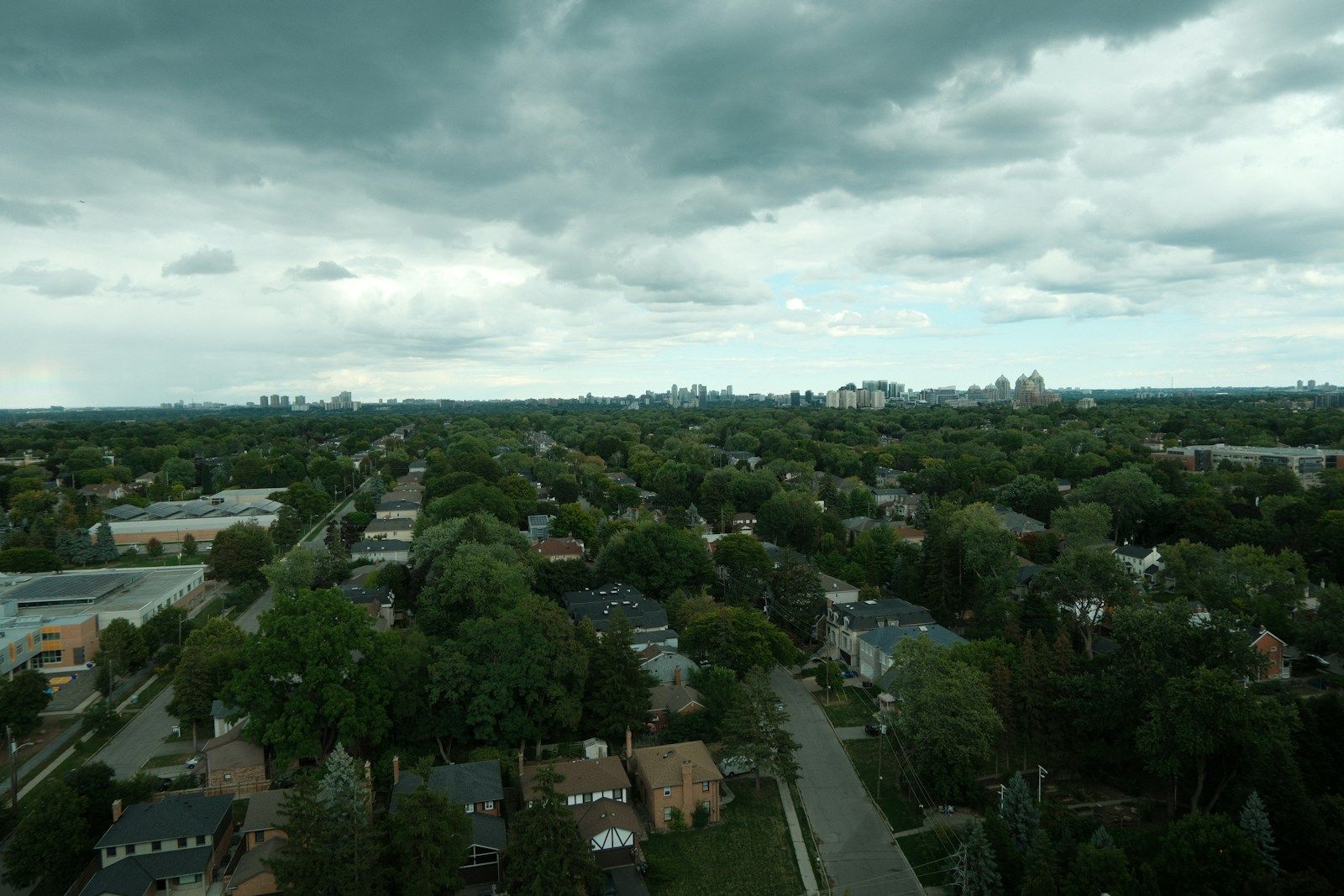
Most renters learn the flood rule the wrong way: after the water. A standard renters policy covers fire, theft and many kinds of water damage, and then excludes flood in a single sentence. The Insurance Information Institute is blunt about it, stating that renters insurance does not cover floods or earthquakes, and FEMA’s renters brochure says a standard policy typically does not cover flood damage even though it covers risks like theft, wind or fire. If you are still sorting out the rest of your protection, the guide to what renters insurance covers is the place to start.
This guide is about the gap and how to close it. It explains what insurers mean by flood, which water events a renters policy still pays for, and what the National Flood Insurance Program (NFIP) offers tenants: contents coverage with real limits, a $2,500 cap on certain valuables, a restriction for basements, and a 30-day wait before the policy starts. Those limits and dates are what decide most flood claims, so the guide spends its time on them and on the arithmetic of a claim.
Why standard renters insurance says no to floods
Insurers separate water into causes, and flood is the cause they carve out of standard policies. FEMA describes the result for renters directly: a typical renters policy covers theft, wind or fire, but it does not typically cover flood damage. The Insurance Information Institute says the same thing in a shorter form. Neither source gives the exact words of every policy, and wording varies, so read the water exclusions in your own contract. But the pattern is consistent enough that you should assume flood is not covered unless you bought something to cover it.
In everyday insurance language, flood means water that comes from outside the home and spreads over land that is normally dry: a river that overflows, storm surge pushing in from the coast, heavy runoff running down a street into the ground floor. What matters is the direction. The Triple-I’s water-damage guidance puts it simply: water from above, such as rain, is generally covered under a standard policy, and water from below, such as an overflowing river, needs separate flood insurance. For a tenant, that distinction is the first thing to establish after any wet event.
It also helps to remember what a renters policy is for. It protects what you own and gives you liability and living-expense coverage, while the landlord’s policy covers the building. FEMA states that the building owner’s insurance does not cover a tenant’s belongings. So even when your landlord has flood coverage on the structure, your furniture, clothing and electronics are exposed, unless you hold a policy of your own that insures them against flood.
What does count as a flood and what does not
Borderline cases cause most of the arguments. Take rain first. Rain that falls on the building and enters through a window the wind has broken is not a flood in the insurance sense; the Triple-I’s guidance says water from above is generally covered by a standard policy, and you should check the conditions in yours, such as whether wind has to create an opening first. Water that is on the street and pours in through the door is different: that is water from outside, spreading over the ground, and it falls under the flood exclusion.
A pipe that bursts inside the building is not a flood. If a supply line fails in your unit, or the pipe in the apartment above yours gives way and water pours through your ceiling, the cause is a plumbing event. A renters policy can cover your belongings in that case when the break was sudden and accidental. This is why two neighbors who both end up with wet carpet can get opposite answers from the same insurer: one had a river, the other had a pipe.
Backup is a third category. When a drain or sewer backs up and pushes water into the unit, many policies exclude it unless you added a specific endorsement, and the Triple-I notes that some policies cover it while many do not. Check your policy for the word backup before you assume anything. If your situation is a backup, the sewer backup guide goes through that cause in detail. For disasters that involve storm surge and wind together, the hurricane damage guide shows how insurers divide those losses.
The NFIP renters policy: what it covers
The National Flood Insurance Program lets renters buy flood coverage for their belongings. According to FEMA’s 2025 renters brochure, a tenant’s personal property is covered up to $100,000 in units above the lowest elevated floor. The policy is contents-only. It does not insure the building, which remains the landlord’s responsibility and is not part of what you buy.
Above the lowest elevated floor, FEMA lists the kinds of property that are covered: clothing, beds and mattresses, living room and kitchen furniture, rugs and carpets, books, televisions and other electronics, kitchen utensils and refrigerators. That list is useful because it tells you what to put in your inventory. If you own a lot of electronics, furniture or clothing, this is the coverage that insures it against rising water.
Two cautions. First, $100,000 is a maximum, not a promise of payment; you are paid for what is lost under the policy’s valuation rules and your deductible. Second, the coverage depends on where in the building your unit sits. FEMA’s brochure draws a line at the lowest elevated floor, and what it covers below that line is far narrower, as the next section explains. Your declarations page and the agent who sells the policy can tell you which side of the line your unit is on. If you are unsure, ask for the answer in writing before you rely on the coverage. A tenant on the third floor of an elevated building and a tenant in a ground-level unit can hold the same policy and still have very different protection.
Special limits and basement limits
FEMA’s brochure attaches two restrictions that catch tenants off guard. The first is a special limit of $2,500 for art, autographed items, jewelry, furs and business property. If you own an engagement ring or a framed print worth more than the cap, a flood policy does not pay more for it, no matter how much of your $100,000 remains. High-value items need scheduled or separate coverage, which is a conversation for your renters policy and a different one from flood insurance.
The second restriction is about basements and anything below the lowest elevated floor. In those locations the brochure says coverage is limited to the washer, the dryer, the freezer and the food in it. That means a tenant in a basement apartment, or a tenant who stored belongings in a basement unit, may find that most of their possessions are not covered even though they hold an NFIP policy. Ask exactly where your unit sits relative to the lowest elevated floor.
These limits shape what you should do before buying. Move valuables that exceed the $2,500 cap out of the flood-prone space, or insure them some other way. Do not store irreplaceable items in a basement storage area on the assumption that the policy will pay. And read the brochure for your own policy year, because FEMA updates its materials. The rules summarized here come from the 2025 version of the renters brochure, and your policy may include different terms. When in doubt, the agent’s written answer matters more than a general summary.
The 30-day wait and why it decides your claim
FEMA states that NFIP policies have a 30-day waiting period after purchase before they take effect. That single sentence decides a lot of claims. Flood insurance bought the week a hurricane forms offshore, or the day a river is forecast to crest, will not respond to that event. The policy must be in force when the flood starts, and in force means the waiting period has ended.
Here is how the dates work. Suppose you buy the policy on October 1. With a 30-day wait, it takes effect around October 31, so confirm the exact date on your declarations page. A flood on October 20 falls inside the wait and is not covered. A flood on November 2 falls after it and is. The same insurance, the same premium and the same belongings produce opposite results based on the purchase date alone.
The practical lesson is to buy before you need it. Do not wait for the first forecast. Put the purchase on the calendar well ahead of whatever season is risky where you live, and check the effective date as soon as you get the paperwork. If the date shown is later than you expected, ask the agent to explain why before you assume you are protected. The waiting period applies to the contents policy only; it says nothing about your regular renters coverage, which keeps paying for covered causes like a burst pipe while the flood policy waits to start. The guide to flood damage explains how the claim process works once a covered flood happens, but it cannot rescue a policy that was bought inside the waiting period.
Worked example: $18,000 of belongings
Illustrative example. A sudden flood hits a ground-floor apartment above the lowest elevated floor and destroys $18,000 of belongings. Of that amount, $4,000 is jewelry and art, which carry the $2,500 special limit. Ordinary belongings are 18,000 minus 4,000, or $14,000. Add the $2,500 allowed for the jewelry and art and the covered amount is $16,500. With an illustrative $1,000 deductible, the payment is 16,500 minus 1,000, which is $15,500.
That arithmetic assumes the full value of the items is accepted. Your actual payment depends on how your policy values property and what the insurer accepts after inspection, so treat $15,500 as the shape of the calculation rather than a prediction. What the example shows is that the $2,500 cap cost this tenant $1,500 of the jewelry and art value, and that the deductible comes off after the caps.
Now the date check. The tenant bought the policy on October 1, so it takes effect around October 31. If the flood happened on October 20, nothing is paid, however well the calculation works on paper. If it happened on November 2, the $15,500 applies. Two different outcomes come from the same flood, the same $18,000 and the same coverage, because of when the policy was bought. Run both checks on your own situation: the caps first, then the dates.
Flood, plumbing or backup: a decision table
Use this table to sort the water event before you call anyone. The cause decides which policy responds.
| What happened | Who pays for your belongings | Note |
|---|---|---|
| A river or storm surge enters your ground floor | Usually not your renters policy; an NFIP contents policy can | Buy at least 30 days ahead |
| A pipe in the building bursts and floods your living room | Your renters policy, if the cause is covered | This is not a flood |
| Heavy rain comes through a window broken by wind | Your renters policy may cover it | Check the conditions |
| Water enters the building’s basement | NFIP limits coverage to washer, dryer, freezer and food | The rest is not covered |
| A drain or sewer backs up into your unit | A backup endorsement, if you have one | Many policies exclude it |
| The building itself is damaged | The landlord and the landlord’s policy | Not your contents policy |

If your landlord has flood insurance
Many tenants assume that a landlord with flood insurance protects everyone in the building. It does not protect your belongings. FEMA states that the building owner’s insurance does not cover a tenant’s property, and the Insurance Information Institute draws the same line between the landlord’s coverage of the building and a tenant’s need for a policy of their own. A landlord’s flood policy pays to repair the structure, which helps you only indirectly, by getting the building restored.
What you can do is ask. Send your landlord a short written question: does the building carry flood insurance, and is the unit in an area where flood coverage is recommended? Their answer will not insure your belongings, but it tells you how much risk to plan for, and it creates a record. If the landlord says there is no flood coverage and the building is damaged, repairs and your housing could be delayed, which is another reason to think about additional living expenses coverage in your own policy.
Also check what happens to your lease and your rent if the building is damaged. That depends on the contract and local law, not on insurance, and this guide does not cite state rules. The difference between the owner’s coverage and yours is covered in landlord insurance versus renters insurance. Read it before you decide how much to insure, and keep a written copy of any answer your landlord gives about the building’s coverage.
What to do before the season starts
Preparation for a flood claim is mostly paperwork done early. Start with an inventory: walk through every room with your phone and record each item, then list the larger ones with a rough price. Store the video and the list somewhere other than the apartment, such as a cloud folder, so a flood cannot take the evidence with it. Do the same for your lease, your renters policy and any flood policy papers, since you will need them whether or not your phone survives. Add serial numbers for electronics where you can.
Next, deal with the valuables. Anything worth more than the $2,500 special limit, such as jewelry, art or business equipment, needs a plan: keep it above the water line, store it elsewhere, or insure it under your renters policy or a separate schedule. If you live below the lowest elevated floor, consider how much of your property sits in the area that NFIP limits to a washer, dryer, freezer and food, and move what you can.
Then decide about coverage, and do it with the 30-day wait in mind. If you want flood protection for your belongings, buy it well before the risky season, and confirm the effective date in writing. Do not claim a risk zone for your address from this guide; ask your insurance agent or check official flood maps for your location. For the rest of your protection, review what renters insurance covers, and for how the claims side works after a covered flood, read the flood damage guide.
Frequently asked questions
Does renters insurance cover flood damage?
Not a standard policy. The Insurance Information Institute says renters insurance does not cover floods or earthquakes, and FEMA says a standard policy typically does not cover flood damage. Water from a burst pipe inside the building is a different cause and can be covered, so the source of the water decides the answer.
Can renters buy flood insurance?
Yes. The National Flood Insurance Program sells contents-only coverage to renters, with up to $100,000 for belongings in units above the lowest elevated floor. Some private insurers also sell flood policies. You buy it separately from your renters policy, and it only covers your things, not the building.
How long is the NFIP waiting period?
FEMA states that NFIP policies have a 30-day waiting period after purchase before they take effect. A flood that starts inside that window is not covered, so the time to buy is well before a storm season or a heavy rain forecast, not when water is already coming. Check the effective date on your declarations page.
Does my landlord's flood policy cover my belongings?
No. A landlord's policy, flood or otherwise, covers the building, not a tenant's belongings. FEMA states that the landlord's insurance does not cover your things. If you want flood protection for your belongings, you need your own contents policy. Ask your landlord in writing what coverage the building has.
Is a burst pipe a flood?
Not for insurance purposes. A flood is water coming from outside, such as a river, surge or runoff. A pipe that bursts inside the building is a plumbing event, and a renters policy can cover your belongings if the break was sudden and accidental. Sewer or drain backup is a third category that many policies exclude unless you add it.
Sources
- NFIP flood insurance for renters (brochure) — FEMA / FloodSmart
- Renters insurance — Insurance Information Institute
- Water Damage: What's Covered; What's Not — Insurance Information Institute
CoverClaro explains insurance. We do not sell insurance or give personal advice. Your policy and insurer determine your coverage.