Short answer: Only if a covered event caused it, and then usually just for your belongings. If a burst pipe soaks your closet and mold follows, your renters policy may pay for the ruined clothes and mattress. Mold from humidity, condensation or a slow leak is usually excluded, and the building is your landlord’s problem, not your policy’s.
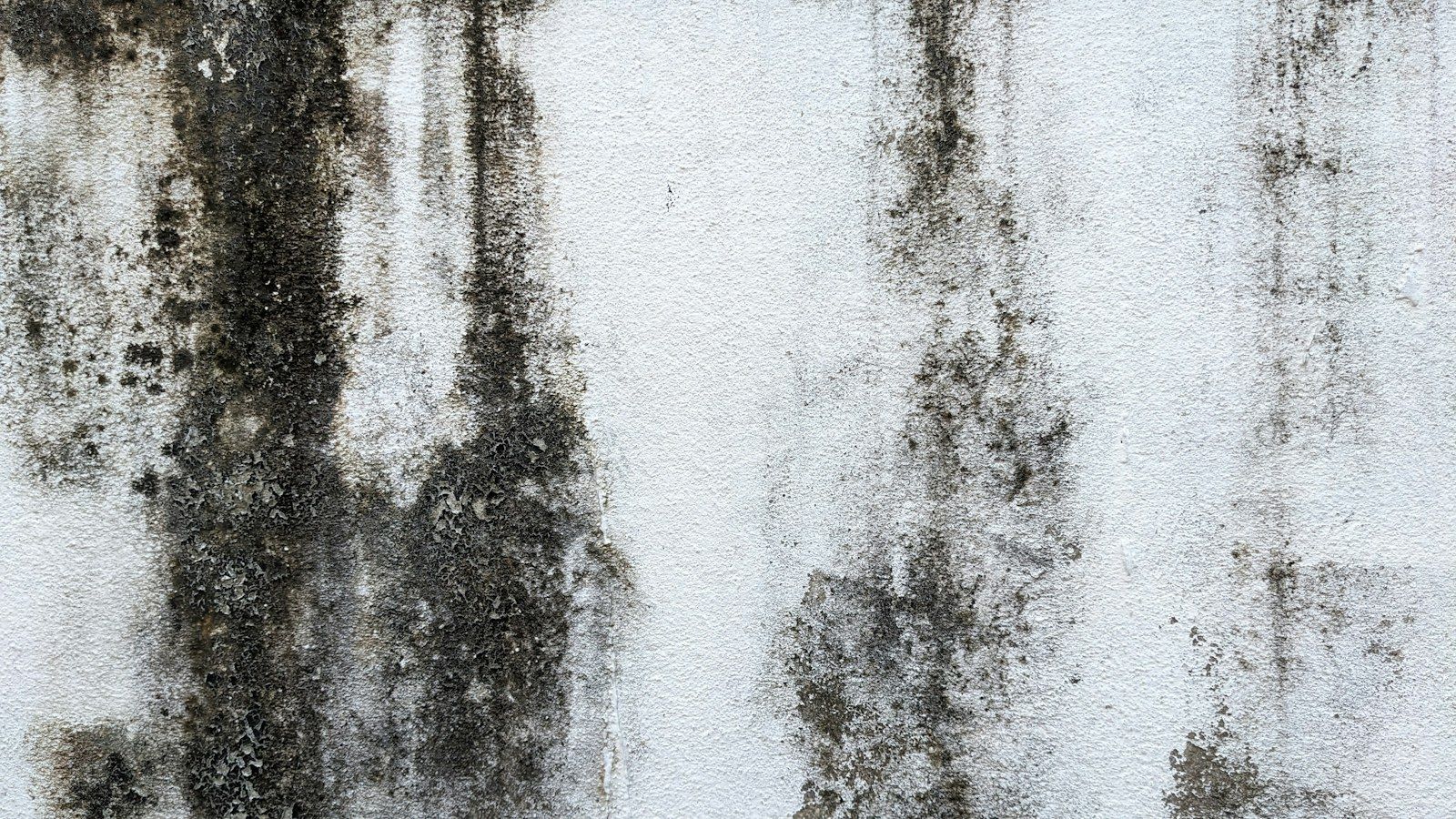
Mold in a rented home sends two bills, and they go to different people. The walls, ceiling and plumbing belong to your landlord. Your clothes, mattress, furniture and electronics belong to you, and a renters policy is the only insurance that can pay for those. The catch is that mold is one of the most restricted topics in insurance, so whether your policy pays depends less on the mold itself and more on what caused it. If you want the wider picture of what a tenant policy does, start with what renters insurance covers and come back here.
This guide covers one situation: mold has shown up in your apartment and you want to know who pays for what. It explains when a covered water event turns into a payable mold claim, when it does not, what the EPA says to do in the first days, how to notify a landlord in a way that protects you, and how to keep a paper trail. It does not tell you which of your own policy’s limits apply, because those sit in your declarations page. It tells you which questions to ask. For a homeowner’s version of this problem, see the separate homeowners mold guide.
Mold in a rental: two different bills
Think of the apartment as two layers. The shell is the building: drywall, flooring, the pipes inside the walls, the roof above. The Insurance Information Institute explains that the landlord’s insurance covers the building, and that it does not replace your belongings or pay your living costs while the place is repaired. The second layer is everything you own and everything you spend. A renters policy is built for that layer: it covers your personal property, liability, and additional living expenses.
So when you find mold, sort the damage into two piles before you call anyone. Pile one is the building: mold on the wall behind the bed, in the bathroom ceiling, under the sink. That is the landlord’s to inspect, fix and insure, and the way you start that process is a written notice, covered below. Pile two is yours: the shoes that grew mold in the closet, the mattress that soaked up moisture, the upholstered chair against the damp wall. That pile is the only one your policy can touch, and only when the cause of the mold qualifies.
The Insurance Information Institute article does not discuss mold at all, so nothing here should be read as saying renters policies routinely pay for it. They do not. What the sources do establish is the split between landlord and tenant coverage, and that split is the reason the cause matters so much. If a covered pipe break upstairs soaked your things, you are making a water claim that happens to include mold. If nothing sudden happened, you are bringing a mold claim to a policy that may exclude it. The next two sections show why those two paths end differently.
What your renters policy covers when mold follows covered water damage
The strongest path to a payment starts with a covered cause. Renters policies commonly pay for belongings damaged by sudden, accidental water, such as a supply line that bursts or a neighbor’s pipe that fails above you. When that happens and mold develops afterward, the mold on your belongings can be treated as part of the same loss. Your claim is then about the water event, and the mold is one of the ways the water damaged your things. That framing matters because it puts the burden on the cause, not on the word “mold.”
You still have to read your own policy, because insurers handle the combination differently. The Oklahoma Insurance Department publishes a real filed homeowners form, HW-2136, that defines fungus as “any type or form of fungus, including mold, mildew, mycotoxins, spores.” That is one policy form, and renters forms from other companies may word this differently, so use it as a reading guide rather than a prediction. What it shows is where the mold language lives: a definition near the front and an exclusion in the “losses not insured” part. Find those two spots in your own contract. Look for any wording that limits mold payments when the mold results from a covered loss, because some policies add a separate cap for it and some do not.
In practice, a strong claim has three parts. First, a clear event with a date: the pipe broke on a Tuesday, the neighbor’s leak was reported on a Wednesday. Second, damaged belongings you can list with prices and photos. Third, a prompt call to your insurer so the claim starts while the evidence is fresh. Ask the adjuster in writing how the policy treats mold that results from covered water, and save the answer. If the response is vague, ask which policy section it relies on. You are not arguing yet; you are collecting the exact wording that will decide your claim.
When mold is excluded
Mold becomes an uninsured loss when it grows from conditions the policy treats as ordinary upkeep: a window that never gets opened, condensation on cold walls, a bathroom with no working fan, a slow drip nobody noticed for months. In those cases there is no single sudden event to point to, and many policies exclude both long-term seepage and fungus. The filed Oklahoma form is an example of how direct that exclusion can be: under “Losses Not Insured” it excludes loss caused by fungus, including the cost of remediation and of air or property testing. That is one policy, and others may treat mold differently, but it shows the kind of sentence that ends a claim.
Two details in that kind of wording catch tenants out. The first is that the exclusion may apply even when the mold ruins expensive things. A policy can refuse to pay for a moldy sofa while it would have paid for the same sofa damaged by a burst pipe. The second is that “gradual” is a judgment call. If your landlord ignored a leak for weeks and mold followed, you might argue the cause was a covered leak, while the insurer argues it was long-term seepage. Dated photos, repair requests and texts with the landlord make your version of events much stronger.
If you suspect your claim will fall on the excluded side, do not give up the other protections you have. Document the problem and notify the landlord anyway, because repairing the building is their responsibility and a written record supports your position on rent, repairs or moving out. Ask your insurer for the denial in writing and for the exact clause it relied on. A denial that cites a clause is much easier to check, and to take to your state insurance department if you think it was applied wrongly, than a phone call that simply says no.
What the EPA says to do in the first days
The U.S. Environmental Protection Agency’s guidance on mold cleanup is built around speed and moisture. It says to act quickly because the longer mold grows, the more damage it can cause, and to fix leaks promptly and dry everything completely. Mold needs moisture, so drying is the first job, not scrubbing. That is also practical for your claim: the sooner the source is stopped, the less of your property is lost.
The EPA also gives a size rule. If the moldy area is less than about 10 square feet, roughly a three-foot by three-foot patch, you can usually clean it yourself. If it is larger, if the water that caused it was contaminated, or if you think mold has gotten into the heating and cooling system, the agency says to bring in a professional. In a rental, that last step usually means telling the landlord, because you do not own the system and should not be opening walls or ducts yourself.
One instruction deserves to be repeated: do not paint or caulk over mold. Covering it does not fix the moisture and the mold can keep growing underneath. Before you clean anything, photograph it, because cleaning removes the evidence your claim and your landlord notice depend on. Throwing out an item is different from cleaning a wall, so photograph each damaged belonging first, write down what it was worth, and keep the receipts if you have them. The EPA page says nothing about mold testing, so do not assume a test is required for your claim. Your insurer and your landlord may each have their own view on testing. Ask both what they need and have them say it in writing.

Notifying the landlord in writing
Tell your landlord in writing, and do it the day you find the problem. A phone call leaves no record, and the written version is what you will point to if the mold spreads, your things are damaged, or the landlord later says they were never told. A short email or text works, as long as you can save it, and a letter you can prove was delivered works even better if your lease requires formal notice.
A useful notice includes five things. The date you first saw the mold and the date you are writing. The exact location, such as the bedroom closet’s back wall or the bathroom ceiling above the shower. What you believe caused it, if you know, for example a leak from the unit above or a dripping pipe under the sink. Photos taken before you touched anything. And a clear request: please inspect, find and stop the moisture source, and repair the damage. Add a reasonable date by which you expect a reply, and keep a copy of everything you send.
Keep the tone factual. You are creating evidence, not starting an argument, so avoid accusations and stick to what you saw. If the landlord responds, save that response too. If you have to move your belongings to avoid further damage, tell them that and say where the items are. Your lease and local law may set deadlines or rights that affect repairs and rent; this guide does not cite them because they vary, and the landlord insurance side of the story is explained in landlord insurance versus renters insurance. If you have a covered water claim, send your insurer a copy of the landlord notice as well, since it proves the date you reported the problem.
Worked example: the closet and the upstairs leak
Illustrative example. A pipe in the unit above yours bursts without warning. Water runs down the wall into your bedroom closet, and two weeks later you find mold. Your damaged belongings are clothes worth $1,800, a mattress worth $700, and shoes and bags worth $500, which adds up to $3,000. Your renters deductible is $500.
If your policy covers sudden water damage and does not exclude the mold that results from it, the insurer pays $3,000 minus the $500 deductible, which is $2,500. You absorb the $500 deductible. The wall itself, the drywall and the pipe are the landlord’s to repair and insure; none of that is part of your $3,000.
Now change one fact. Suppose nothing burst, and the same closet grew mold because the window stayed shut for months and moisture collected on a cold exterior wall. The belongings are the same and the $3,000 is the same, but the payment may be $0, because the policy can exclude fungus and long-term moisture. Same closet, same ruined clothes, two different results, and the only thing that changed is the cause. That is why the first call after you find mold should be about when and how the water arrived, not about the mold. Write down the answer, because your claim stands or falls on it. If you are unsure, ask the landlord whether there was a leak in the building and ask the insurer which part of your policy applies.
Who pays for what: table
This table sorts the usual problems by who responds. Treat it as a checklist for what to document, not a guarantee of any payment.
| What happened | Who is responsible | What to do |
|---|---|---|
| Walls, ceiling or building pipes damaged | The landlord and the landlord’s policy | Send written notice with the date |
| Your clothes, mattress or furniture soaked by sudden water | Your renters policy, if the cause is covered | Photos, a priced list and your deductible |
| Mold from chronic humidity or condensation | Usually excluded or disputed | Photos of the first sign and of ventilation |
| A few square feet of mold, no contaminated water | You, following the EPA guidance | Dry it; do not paint over it |
| Hotel while repairs happen after a covered loss | Your policy’s living-expense coverage | Receipts, and the difference from normal costs |
| Air tests or building-level work | The landlord, under your lease and local law | Request it in writing |
Living somewhere else while it is fixed
If mold or water damage makes the apartment truly unlivable, a renters policy can include additional living expenses, but only when the cause is covered. The National Association of Insurance Commissioners explains the key rule: the policy pays the difference between your normal costs and the new, temporary ones, not the whole bill. If you normally spend $20 a day on food and spend $45 at restaurants, the extra $25 is what counts. The NAIC also says to keep all your receipts and notes that some plans cap the amount or the time, separately from the limits for your belongings.
For mold specifically, that means two checks before you book a room. First, is the underlying cause covered? If the mold came from an excluded cause, the living-expense coverage is unlikely to apply. Second, does the insurer agree the unit cannot be lived in? A repair that only inconveniences you is different from a place with no usable bedroom. Ask the insurer in writing before you spend a lot, and describe the problem plainly: where the mold is, what the landlord said, and why you cannot stay.
Do not assume your landlord’s policy will pay for your hotel. The Insurance Information Institute notes that the landlord’s coverage does not pay a tenant’s living expenses while the building is repaired. Any help from the landlord, such as a rent reduction or a temporary unit, comes from your lease and local rules, not from insurance. The calculation of the difference, with a full example, is in the guide to a renters hotel stay, and the homeowner version of loss of use shows how the same coverage works for people who own the place.

Documenting a claim you may need later
Build the file now, even if you are not sure you will file. Mold claims often turn on dates and causes, and those are hard to rebuild months later. Start with a simple timeline: the day you first noticed a smell or stain, the day you saw mold, the day you told the landlord, and the day you called your insurer. Add what happened before the problem if you know it, such as a plumbing repair, a reported leak upstairs, or a storm.
Then collect evidence in this order. Wide photos of each affected room, then close-ups of the mold and of the source of moisture if you can see it. Photos of every damaged belonging, taken before cleaning. A list with each item, its age and its replacement price. Copies of every message with the landlord and every notice you sent. Receipts for anything you buy to dry, clean or replace things, and for any hotel or meals if you have to leave. Keep the originals in a folder you can open from your phone.
Finally, read your policy while the issue is still small. Look for the mold definition, the exclusion for long-term leaks, the deductible, and the additional living expenses section. If you want a broader reference for tenant coverage, the guide to what renters insurance covers lists the main protections. For the owner’s perspective on mold limits and remediation, the homeowners mold guide shows how a house policy handles the same problem. And if the water came from your own toilet or appliance rather than a neighbor, the toilet overflow guide covers that cause for tenants.
Frequently asked questions
Does renters insurance cover mold?
Sometimes. It can pay for your belongings when the mold follows a covered event, such as a sudden pipe break. Many policies exclude mold from slow leaks or humidity. One filed policy form we read excludes fungus loss outright, so read the mold wording in your own policy before you count on a payment.
Who pays if mold ruins my furniture?
It depends on the cause. If sudden, covered water caused the mold, your renters policy may pay for your furniture, minus your deductible. If the mold grew from months of humidity or condensation, the claim can be denied. Mold in the walls or ceiling belongs to your landlord and the landlord's policy, not yours.
Do I have to clean mold myself?
For a small patch, you often can. The EPA says mold covering less than about 10 square feet can usually be handled by you. If the area is larger, the water was contaminated, or you suspect the air system is involved, the EPA says to call a professional. Never paint or caulk over mold.
Should I tell my landlord in writing?
Yes. Send a dated message that says where the mold is, when you first saw it, and what caused it if you know. Attach photos and ask for an inspection and repair. Keep a copy. A written record protects you if the problem grows and you later need to show you reported it promptly.
Will insurance pay for a hotel because of mold?
Only if the cause is covered and the home is unlivable. Renters policies can pay additional living expenses, but only the difference between your normal costs and the new ones, and often with a dollar or time limit. If the mold came from an excluded cause, the hotel is usually excluded too. Keep every receipt.
Sources
- Mold Cleanup in Your Home — U.S. Environmental Protection Agency
- Renters insurance — Insurance Information Institute
- Homeowners policy form HW-2136 (filed form) — Oklahoma Insurance Department
- What are Additional Living Expenses and How Can Insurance Help? — National Association of Insurance Commissioners
CoverClaro explains insurance. We do not sell insurance or give personal advice. Your policy and insurer determine your coverage.