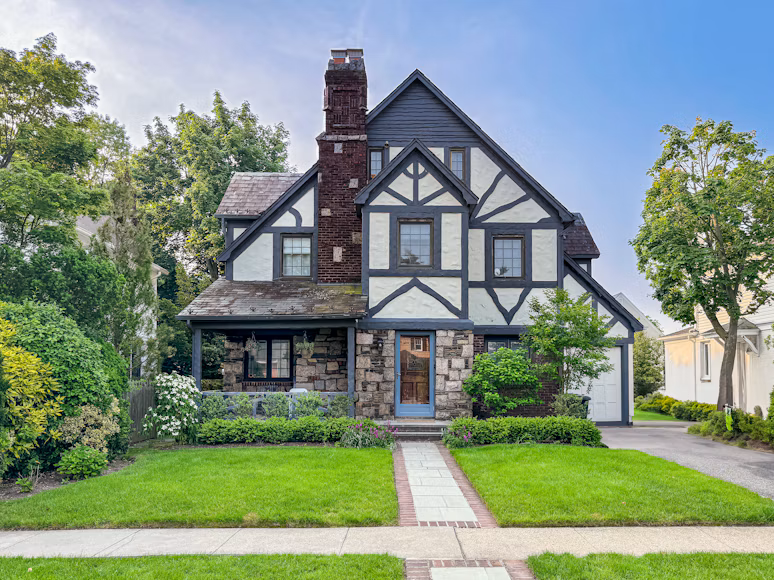
Short answer: Yes. Renters insurance may cover your belongings damaged by fire or smoke and additional living expenses while a covered loss keeps you from living in the unit. The landlord’s policy generally covers the building. If you are legally responsible for damage to others, personal liability may apply. Keep receipts and follow your policy’s claim instructions.
What renters insurance may cover after an apartment fire
After a fire, a renters policy may address three different needs: eligible belongings damaged by fire or smoke, additional living expenses if a covered loss makes the unit unfit to live in, and personal liability if you are legally responsible for injury or damage to someone else. These protections are separate. The landlord’s property insurance generally addresses the building, while your policy is for your personal property and other tenant coverages.
Start with the renters insurance overview to see how personal property, liability, and additional living expenses fit together. The Insurance Information Institute, NAIC, and California Department of Insurance describe these as common parts of renters coverage, but your issued form, limits, deductible, exclusions, and the facts determine how a specific fire is handled.
The landlord’s building and your belongings
Your personal property limit may apply to furniture, clothing, electronics, kitchen items, books, and other belongings that you own. It does not insure the landlord’s walls, flooring, cabinets, appliances, or the building itself. A landlord may have a property policy for the structure and any furnishings the landlord owns, but that contract generally does not insure a tenant’s possessions.
Make a list of damaged items with the owner, approximate age, model, condition, and proof of purchase where available. Wide photos can show which rooms were affected; close photos can show smoke residue, melted components, or direct fire damage. Keep receipts, warranties, account records, and serial numbers. If the items cannot be accessed safely, wait until the fire department or qualified professionals say it is safe.
One fire can affect both tenant property and building property. Keep your inventory separate from the landlord’s repair estimate. If the landlord asks you to pay for building damage, notify your insurer and send any demand or legal notice promptly. Do not admit legal fault or promise payment before the facts are reviewed.
Fire, smoke, and related damage
Direct flame is only one way a fire can damage property. Smoke, soot, heat, and water used to suppress the fire may affect different items. A policy may treat those effects under the same covered event, but the insurer will review what happened and the contract’s wording. Do not assume every item in a room is a total loss or that all cleaning and restoration is covered.
Ask whether the insurer wants to inspect before you clean or discard items. If a damaged item is unsafe, contaminated, or blocking emergency work, prioritize safety and photograph it when possible. Save the fire department’s incident information, the landlord’s notices, cleanup estimates, and any professional assessment of smoke residue. Keep separate estimates for your belongings and repairs to the building.
An item can be cleaned, repaired, or replaced depending on the damage and its condition. The insurer may ask a restoration professional to inspect soft goods, electronics, or furniture. Do not attempt to test electrical equipment exposed to heat or water. Follow fire official and qualified technician instructions before returning to the unit or using affected appliances.
Temporary housing and additional living expenses
Additional living expenses, sometimes called loss of use, may help pay eligible extra costs while a covered loss makes your residence unfit to live in. It is not necessarily a fixed hotel benefit. The insurer may compare your normal expenses with reasonable additional costs and apply a dollar or time limit. The fire must meet the policy’s covered-loss trigger; a landlord’s repair delay alone may not be enough.
Keep the date you left, any fire department or landlord notice about occupancy, lodging receipts, and records of other extra expenses. Ask the insurer what temporary arrangement it considers reasonable and how to submit charges. If immediate safety requires leaving before you can call, make that safe choice first and contact the insurer as soon as practical.
Ordinary spending and additional expenses are not the same. If you pay more for meals because your temporary housing has no kitchen, keep receipts and ask whether the policy considers the difference. Do not assume that all meals, travel, storage, or upgraded lodging will be reimbursed. Get written guidance when possible and retain every receipt.

Liability if someone says you caused the fire
If a fire started in your unit and damaged the building or another tenant’s belongings, people may ask who was responsible. The cause might be accidental, connected to building equipment, or still unknown. Personal liability coverage may respond to a covered claim if you are legally responsible, but the policy’s exclusions and the facts matter. A fire’s location alone does not prove tenant negligence.
Give your insurer a factual timeline: when you noticed smoke or flame, what you did, who you contacted, and what the fire department or landlord reported. Do not speculate about the cause if investigators have not determined it. If another tenant or the landlord sends a demand, forward it to the insurer promptly. Do not sign a settlement or release on behalf of another person.
The insurer may investigate, request a fire report, inspect appliances, and interview witnesses. Keep copies of written notices, photos, maintenance requests, and any repair records. Answer questions honestly. If you do not know a fact, say so rather than filling in a guess.
Deductible, limits, and valuation
The deductible is the amount you pay toward a covered property loss before the insurer pays, according to the policy. Review your personal property limit, category sublimits, and any separate deductible. Cash, jewelry, business property, or certain electronics may be subject to lower amounts. A large overall limit does not remove a category cap.
Actual cash value generally accounts for depreciation; replacement cost generally uses the cost of comparable new property subject to contract terms. Some insurers issue an initial actual-cash-value payment and release recoverable depreciation after replacement proof. Keep receipts if you replace essential belongings and ask about deadlines. A ten-year-old chair or laptop may not be valued at the price of a new model.
Ask how the insurer handles smoke-cleaning estimates, damaged contents, and temporary housing separately. A single combined estimate can obscure which coverage limit or deductible applies. Request an itemized calculation if the payment does not match the policy explanation.
What to do in the first days
- Follow fire department instructions and do not re-enter an unsafe building.
- Contact the landlord or property manager about access, repairs, and occupancy.
- Notify your insurer under the policy’s reporting instructions.
- Photograph your belongings and the affected rooms when safe.
- Create an itemized inventory and separate tenant property from building repairs.
- Keep receipts for temporary housing, replacement essentials, cleanup, and transport.
- Save the incident number, claim number, and every written direction.
Do not delay emergency work to wait for an adjuster. Ask the landlord or insurer whether it wants to inspect before permanent repairs, but protect people and property first. If items need to be removed for safety, photograph them before they are moved when that can be done safely.
How to organize a contents claim
Group the inventory by room and category. For each item, note its owner, description, approximate age, condition before the fire, and whether it was burned, smoke-damaged, wet, or not yet inspected. Mark what proof you have: receipt, photo, serial number, warranty, or account record. The goal is an accurate list, not a guess at every detail.
Do not throw away smoke-damaged belongings just because they smell of smoke. Ask the insurer or restoration professional whether they need to inspect or test them. If an item presents a health or electrical hazard, follow professional instructions and document its condition before disposal when safe. Keep a copy of disposal receipts and the professional’s recommendation.
Make separate records for the landlord’s items and your own. If a roommate shares a couch or television, identify ownership and who is insured. Do not claim another person’s property as yours. A roommate may need to file under their own renters policy.
If your claim is delayed or limited
Ask what information is missing, which policy provision applies, and whether the insurer has completed its inspection. Provide the requested fire report, inventory, receipts, and lodging documentation. If the decision excludes an item, ask for the exact wording and the facts supporting that conclusion. Correct inaccurate information and keep the revised estimate.
If the landlord and insurer give different instructions, ask each to explain its responsibility in writing. The landlord manages the building and access; your insurer evaluates your policy. Do not assume that one party’s response determines the other contract. Keep the lease, notices, fire report, and insurance letters together.
Scenarios that change the questions
Fire damages only your belongings. Make an inventory, confirm the cause and valuation terms, and ask whether a deductible or category limit applies. The landlord’s building claim is separate.
Smoke reaches the apartment from another unit. Document the location and what management or fire officials report. The source may affect how the insurer evaluates the event, but it does not automatically identify who is liable.
The fire makes the unit uninhabitable. Keep the occupancy notice and temporary-housing receipts. Ask the insurer which expenses it will consider and how long the policy may apply.
A roommate’s cooking starts the fire. Identify who was insured, what each person owned, and what happened. Do not assume one roommate’s policy covers every household member.
The landlord asks you to pay for repairs. Send the demand and lease to your insurer. The owner’s estimate does not by itself establish legal responsibility or coverage.
Keep building and personal claims coordinated
The landlord may arrange fire cleanup, board-up, wiring repairs, and rebuilding. You should not hire a contractor to alter the building without the owner’s approval. Ask when you can safely retrieve belongings and whether management will document property that remains inside. Keep a written record of access and any items removed.
The landlord’s insurer may contact you if it believes you caused the loss. Forward that contact to your liability insurer and ask how to respond. Do not ignore a deadline, but do not make a payment promise or sign a release before the insurer reviews it. The landlord’s claim, your property claim, and a neighbor’s claim may follow separate procedures.
Cleaning and replacement decisions
Do not treat a smoke odor as proof that every item needs replacement. Ask a restoration professional to inspect items that can be cleaned and document which ones cannot be restored. The insurer may want an estimate before you authorize cleaning. Keep the scope of work, test results, and photos with your contents inventory.
For electronics, do not power on equipment exposed to heat, soot, or water until a qualified technician says it is safe. Ask the technician to separate repairable items from those that should be replaced and to describe the observed condition. A repair estimate and a replacement estimate answer different questions; the insurer may compare them with the policy’s valuation clause.
After you return
Save the final inventory, payment explanation, repair records, and receipts with your policy. If you replace items, update your household inventory. Review the liability limit and additional living expense terms at renewal. For a comparison of landlord and tenant property, see landlord insurance versus renters insurance. The contract in force on the fire date determines the insurance question; local housing law and your lease address separate repair and relocation questions.
Frequently asked questions
Does renters insurance cover an apartment fire?
A renters policy may cover eligible belongings damaged by a covered fire and additional living expenses if the loss makes the unit unfit to live in. The landlord's building insurance addresses the structure. Your own policy's limit, deductible, exclusions, and valuation terms determine the result.
Does renters insurance cover smoke damage?
Smoke damage to personal property may be covered when it results from a covered fire, subject to the contract. The insurer may inspect items and distinguish smoke residue from pre-existing conditions or ordinary cleaning. Document affected belongings and ask which cleanup or replacement expenses it will consider.
Will renters insurance pay for a hotel after a fire?
Additional living expenses may apply if a covered loss makes the residence uninhabitable. The policy may limit the time and amount and may require reasonable extra costs and receipts. Ask the insurer what lodging is appropriate and keep the landlord's or fire official's notice about occupancy.
What if I accidentally caused the fire?
A claim may involve your belongings, the landlord's building, and damage to neighbors. Personal liability coverage could respond if you are legally responsible and no exclusion applies, but the facts and policy control. Report the event accurately and send any demand or legal notice to your insurer promptly.
Sources
- Your Renters Insurance Guide — Insurance Information Institute
- Renting Your Home: Protect Your Belongings With Renters Insurance — National Association of Insurance Commissioners
- A Consumer's Guide to Renters Insurance — California Department of Insurance
CoverClaro explains insurance. We do not sell insurance or give personal advice. Your policy and insurer determine your coverage.