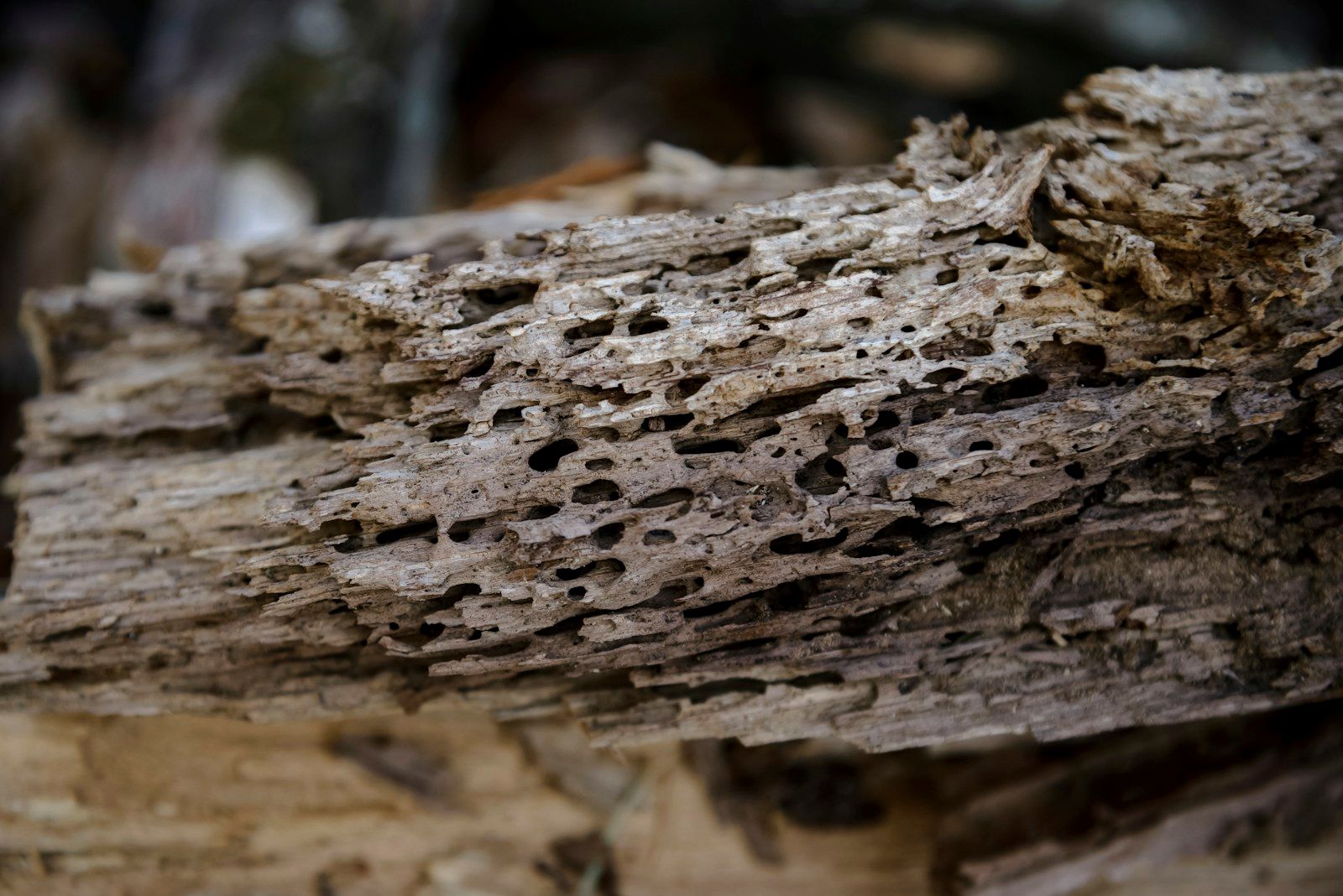
Short answer: No. Standard homeowners policies exclude damage from termites and other insects because insurers treat it as preventable maintenance. The rare exception is a separate covered event the termites set off, like a fire from chewed wiring or a sudden collapse from hidden damage you couldn’t have known about. Treatment and repairs are on you.
Does homeowners insurance cover termite damage?
Almost never. If termites eat through a floor joist, a sill plate, or the framing behind your drywall, the damage they did and the cost of getting rid of them are your responsibility under a standard HO-3 policy. Insurers view an infestation as something a homeowner can prevent with inspections, moisture control, and treatment, so they put it in the maintenance bucket, next to rust and rot, and not in the sudden-and-accidental bucket that insurance is built for.
That does not mean termites can never touch an insurance claim. There are two narrow doors, and both depend on something other than the insects themselves. Before we get to them, it helps to see the broader coverage framework, which our plain-English guide to what homeowners insurance covers lays out, because most of the confusion about termites comes from mixing up the cause of damage with the result of it.
Why is termite damage excluded?
The standard ISO homeowners form (HO 00 03) lists damage caused by birds, rodents, or insects among the exclusions that apply to the dwelling and other structures. It does the same for nesting or infestation by animals. Insurers explain this the same way: pest damage develops slowly, it can be stopped with regular inspections and treatment, and it is tied to upkeep. Wear and tear, deterioration, and rot sit in the same part of the policy for similar reasons.
In practical terms, that means the policy will not pay to kill the termites, to replace wood they have damaged, or to repair the cosmetic damage that follows, even when the damage is extensive. It also means filing a claim for a termite problem is usually a dead end. You can still ask, and you should read your own policy and any endorsements, but go in expecting a denial.
What are the two exceptions where a policy may pay?
Exception one: a fire or other covered event that termites cause. The insect exclusion is about damage from the insects themselves. The form also provides that, unless another provision precludes it, an ensuing loss to the dwelling is covered. If termites or carpenter ants chew through electrical insulation and the wiring starts a fire, the fire is a covered peril. The policy would be expected to pay for the fire damage, minus your deductible, though not for the insect damage itself or for repairing the chewed wire. How an insurer applies the ensuing-loss language depends on the policy and the facts, so ask in writing.
Exception two: collapse from hidden insect damage. The ISO form includes an additional coverage for collapse. It defines collapse as an abrupt falling down or caving in of a building or part of a building, so that it cannot be used for its intended purpose. A building in danger of falling down is not in a state of collapse. The coverage lists causes, and one of them is insect or vermin damage that is hidden from view, unless you knew of the damage before the collapse. If a floor gives way without warning because termites hollowed out the joists beneath it, and no one knew, the collapse coverage may apply. If you knew about the termites and did nothing, or the structure is only sagging, it usually does not.
Both exceptions are narrow, both turn on policy wording, and both depend on the facts at the time of the loss. Neither pays to treat an infestation or to restore damage that never collapsed or burned.
How do you recognize termite damage early?
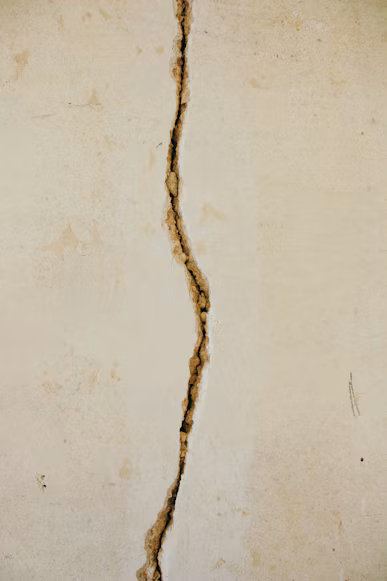
Termites often work out of sight, so the early signs are easy to miss. Mud tubes, which are pencil-width tunnels of dirt along foundation walls or in crawl spaces, are a common sign of subterranean termites. Wood that sounds hollow when you tap it, or that gives under a screwdriver, can mean the inside has been eaten away. Blistered or rippling paint, tiny pellets that look like sawdust near wood, discarded wings near windows and doors, and doors and windows that suddenly stick can all point to a problem. Carpenter ants leave clean tunnels and piles of shavings. Each of these has other possible explanations, so they are reasons to get a licensed pest professional to inspect, not proof of an infestation.
What should you do if you find termites?
Act quickly, because damage compounds with time and the delay can also weaken any argument that the loss was sudden.
If you suspect or find termites
- Photograph the evidence where you found it: tunnels, wings, damaged wood, and the surrounding area. Add a coin or ruler for scale.
- Do not disturb the area more than you need to. Disturbing a colony can scatter it, and you want a professional to see what you saw.
- Call a licensed pest control company for an inspection. Ask for a written report that identifies the species, the extent of activity, and the recommended treatment.
- Compare at least two written proposals. Ask what treatment is proposed, what area it covers, what the warranty or bond includes, and what renewal costs.
- Have a contractor or structural engineer assess any structural damage before repairs begin, so the repair scope is written down.
- Fix the conditions that attract termites: moisture, leaks, wood touching soil, and firewood or debris stacked against the house.
- If you suspect a covered event, such as a fire or a sudden collapse, report it to your insurer promptly and keep all evidence. Our guide to filing a homeowners claim explains how.
How much does it cost to treat and repair?
We are not printing dollar ranges because we could not verify them against a source, and costs vary a great deal by region, species, and size of the home. It helps to know what drives each part of the bill, because the insurer does not pay for most of it.
| Cost item | What drives the price | Paid by homeowners insurance? |
|---|---|---|
| Inspection | Size of the property, access to crawl space or attic | No. Often free or low cost with a pest company, but not an insured loss |
| Treatment | Termite species, treatment method, linear feet or area to treat | No, because insects are excluded |
| Repair of damaged wood | How much framing or finish is affected and how hard it is to reach | No, except for collapse or ensuing-loss exceptions |
| Moisture and drainage fixes | Gutters, grading, leaks, crawl space ventilation | No. This is maintenance |
| Annual bond or warranty with a pest company | Coverage terms, home size, renewals | Not insurance. It is a service contract with its own limits |
| Fire damage from chewed wiring | Extent of the fire | Yes, as a covered fire, after your deductible |
Treatment methods differ. Some treat the soil around the foundation, some use bait stations, and some structures with certain dry wood termites are fumigated. Which one fits your house is a question for the inspector, and the proposal should say how long the company stands behind its work.
What can protect you instead of insurance?
If you are buying a home, a wood-destroying organism (WDO) inspection, sometimes called a termite inspection, is a standard part of due diligence in many places, and lenders sometimes ask for one. It documents visible activity and past treatment and gives you something to negotiate with. Read it, ask about areas the inspector could not reach, and ask what repairs the seller will make.
If you own a home, an annual termite bond or warranty from a pest control company is the closest thing to coverage. These contracts typically include periodic inspections and retreatment if termites return, and some include repair of damage under stated conditions. Their terms vary widely: some cover only retreatment, some cap repair costs, some exclude certain structures, and renewal fees can change. Read what is actually promised, who pays for repairs, and what voids the contract. A bond is a service contract, not insurance, but it can fill the gap your policy leaves. Our guide to home warranty versus homeowners insurance explains how service contracts differ from insurance.
Prevention helps as well. Keep wood away from soil, fix leaks and drainage, keep gutters clear, store firewood away from the house, ventilate crawl spaces, and schedule regular inspections.
What about carpenter ants, beetles, and other wood-damaging pests?
The insect exclusion is written broadly, so it is not limited to termites. Carpenter ants, wood-boring beetles, and similar pests that damage wood are generally treated the same way: the damage and the pest control are maintenance, and the same two narrow exceptions apply if a separate covered event follows. Carpenter ants hollow out wood to nest instead of eating it, and they tend to show up where wood has been damp for a while, so a pest problem is often a clue that a moisture problem needs attention too. Whatever the pest, the practical advice is the same: identify it, treat it, fix the conditions that invited it, and keep written records of every step.
Should you file a claim for termite damage?
For termites alone, filing is unlikely to pay, so there is little to calculate. The question changes if a covered event is involved. As an illustration with made-up numbers: suppose chewed wiring starts a fire that causes $30,000 of damage, and your deductible is $2,000. The fire damage could be covered, so a claim might pay about $28,000, while you pay to treat the termites and repair the wiring. In that case, filing makes sense. The claim calculator can help you compare a payment with the premium effect, and our guide on how premiums behave after a claim explains the rest.
If you are unsure whether what you have is an insect problem or a separate covered event, ask your insurer or agent before you start repairs, and keep any damaged material they might want to see. If the insurer denies a claim and you think the covered-event exception applies, our claim denied guide explains how to request the reasoning and push back.
Two real scenarios
The home purchase. Elena is buying a house, and the WDO inspection finds old termite damage in a crawl space joist and signs of current activity. Her agent asks the seller to treat the property and repair the joist before closing, and the contract is amended. Elena also asks for the treatment warranty to be transferred to her. Her homeowners policy will not cover termites later, so the bond and a repair credit are her protection.
The hollow floor. Omar notices a spongy spot in the dining room floor and finds that the joists below are hollowed out. The insurer denies the claim under the insect exclusion. The floor has not collapsed and no one knew about the damage before, but it is sagging rather than fallen, so the collapse coverage does not apply. Omar pays for treatment and repair. Had the floor dropped suddenly with no warning, the facts could have supported a collapse claim, but he would still have needed to show that the damage was hidden and unknown. For related structural questions, see our foundation repair guide.

How do moisture and mold connect to termites?
Termites and moisture travel together. Leaks, poor drainage, and damp crawl spaces can attract subterranean termites and also feed mold, and mold has its own limits and exclusions under a typical policy. If you find termite activity near a leak, fix the water source and read our mold guide, because the same moisture story may matter to both problems. For other topics in the same area, browse our Mold, Pests & Exclusions category.
Frequently asked questions
Is your house ruined if you have termites?
Usually not. Termite damage ranges from surface tunneling to weakened structural wood, and a licensed pest professional and, when structure is involved, a contractor or engineer can tell you where yours falls. Many infestations are treated and the damaged wood is repaired. Waiting is what makes it worse.
How many years does a termite treatment last?
It depends on the method, the product, the species, and the site, so there is no single number to rely on. Ask the pest company for the treatment type, what the product label or manufacturer says about protection, and what the written warranty or bond actually promises, including renewal terms.
Can a house be saved from termite damage?
In many cases, yes. The usual path is to stop the infestation with treatment, fix the moisture and wood-to-soil contact that invited it, and repair or replace the damaged framing. When structural members are affected, have a qualified contractor or engineer assess the repair before work begins.
What does minor termite damage look like?
Common signs are mud tubes on foundation walls, wood that sounds hollow when tapped, blistered or bubbling paint, tiny pellets or discarded wings near windows and doors, and doors or windows that start to stick. None of these proves termites on its own, so ask a licensed professional to inspect.
Sources
- Termites and your home — Allstate
- Does homeowners insurance cover termite damage? — U.S. News & World Report
- Homeowners 3 — Special Form, ISO form HO 00 03 05 11 — Maine Bureau of Insurance
CoverClaro explains insurance. We do not sell insurance or give personal advice. Your policy and insurer determine your coverage.