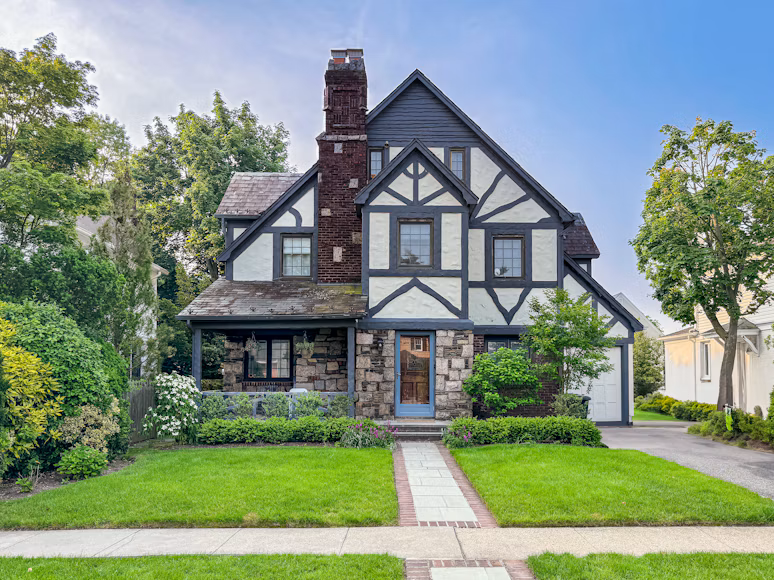
Short answer: Yes. Homeowners insurance covers stolen personal property, including items taken during a break-in, usually up to your Coverage C limit. Cash, jewelry, firearms and similar valuables often have low sub-limits. File a police report, make an inventory with prices and proof, and report the claim promptly.
The starting point is Coverage C, not whether a door was forced
Homeowners insurance usually covers personal property stolen in a burglary or other covered theft, subject to Coverage C, the policy’s exclusions, deductible, and special limits. The Insurance Information Institute describes standard homeowners policies as covering stolen personal possessions and damage to the home caused by a break-in. The California Department of Insurance lists theft among causes typically covered by homeowners policies. “Typically” matters: the policy issued for your home controls the specific event, items, and amount.
A forced door can make the timeline easier to document, but broken locks are not the only possible evidence of theft. Conversely, finding a room disturbed does not prove that every missing item was stolen in that incident. Start with what you know: when you last saw the property, when you noticed it missing, who had access, and what physical damage you observed. Keep assumptions out of the inventory and label uncertain facts as uncertain.
Coverage C is the personal-property section of the policy. It can protect belongings such as furniture, clothing, electronics, tools, and other household items against listed losses. The overall Coverage C limit is not necessarily available in full for every category. A policy may set smaller sublimits for cash, jewelry, firearms, collectibles, or specific electronics. Read those lines before totaling a claim and ask whether a separate scheduled-property endorsement applies.
What can be part of the claim
| Loss | Policy question | Useful evidence |
|---|---|---|
| Stolen household belongings | Is theft a covered cause, and what limit applies? | Item list, receipts, photos, model information, ownership records |
| Damage to a door, window, or lock | Which property coverage and deductible apply? | Photos before temporary repair, repair estimate, police report |
| Cash or jewelry | Is there a category sublimit or scheduled endorsement? | Appraisal, serial number, purchase record, prior inventory |
| Items taken from a detached building | Is the location covered and is there an off-premises or other-structure limit? | Location photos, policy form, storage records |
| A missing package | Was it actually delivered, and does the policy treat the facts as theft? | Tracking, delivery image, package-room log, carrier correspondence |
The table is a claims checklist, not a promise. Different policies can treat theft at a residence, in a detached structure, or away from home differently. An insurer may also separate repair of the entry point from the stolen contents. Ask the adjuster to identify the coverage section and limit for each part rather than treating “burglary” as one lump sum.
Forced entry, missing property, and uncertainty
The term “burglary” is often used casually to mean any theft from a home. A claim may involve a forced entry, an unlocked door, a guest who had access, an item that cannot be located, or a package that never reached you. Those facts are not interchangeable. A physical sign of entry can corroborate a report, but a policy may cover theft even when the evidence does not show a broken lock; the contract and claim facts decide.
An unexplained disappearance is harder to document than a clearly observed theft. If you cannot say when or how an item went missing, do not invent a date, culprit, or entry route. Tell the insurer the last known date and what you observed. The III advises reporting a crime to police and preparing a list of lost items; NAIC’s home-inventory resource explains why records help an insurer assess a claim. A police report records the report and may help with investigation, but it does not establish an item’s ownership, value, or coverage by itself.
If a household member, tenant, guest, contractor, or other known person may have taken property, do not assume that the ordinary theft rule settles the matter. Some policies have wording about who is an insured, who resides at the home, and property in another person’s custody. Do not accuse someone without evidence. Describe the facts accurately, share any relevant records, and ask the insurer which definition or exclusion it is applying.
Sub-limits can change the result
Many policies have a general personal-property limit and separate lower limits for categories that are easy to steal or hard to value. The NAIC’s homeowners overview notes that policies can limit certain classes such as furs, jewelry, firearms, and computers, and that consumers may be able to add a scheduled-property endorsement. The amounts differ by form and insurer. There is no universal dollar limit to insert into a claim estimate.
Make a list by category before you total the loss. Separate ordinary clothes and kitchen items from jewelry, cash, watches, art, firearms, musical instruments, business equipment, and collectibles. For each line, record the item’s description, age, condition, purchase or replacement information, and proof you actually own it. If a sublimit applies, the claim may be capped for that category even when the total value of the stolen property is much higher.
If a valuable item was scheduled before the theft, find the endorsement and its appraisal requirement. A scheduled item may have a separate limit, deductible, or settlement condition. Do not create an appraisal after the loss and imply it existed earlier. You can still submit a current valuation or purchase record, but label when it was prepared. The adjuster can decide how to use it under the contract.
A practical inventory you can send the adjuster
| Item | Identifying details | Proof to look for | Amount requested |
|---|---|---|---|
| Laptop | Brand, model, serial number, storage, approximate age | Receipt, account registration, device photo, warranty record | Current replacement estimate or documented value |
| Watch | Brand, model, material, serial or appraisal number | Appraisal, purchase receipt, photos, scheduled endorsement | Supported amount, noting any category limit |
| Cash | Amount and source, only if known | Withdrawal record or other reliable proof | Amount actually documented |
| Door lock | Type of damage and temporary repair | Before/after photos and locksmith invoice | Itemized repair estimate |
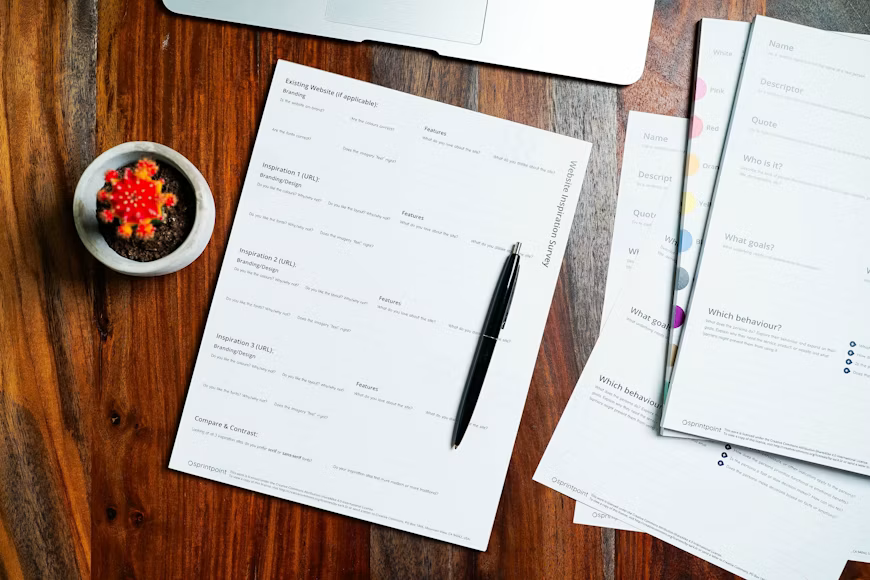
This sample is a format, not a valuation standard. Add rows for every item and distinguish “estimated current replacement” from “purchase price” or “amount claimed.” Do not inflate a value, use a replacement price for a different model, or count an item twice. The replacement-cost versus actual-cash-value guide explains how depreciation and the policy’s settlement method can affect a payment.
Search for receipts in email, retailer accounts, bank statements, warranty portals, cloud photo libraries, and old move-in pictures. A serial number may appear in a device account. Ask family members whether they have photos showing the item before the loss. A home inventory made before an event is especially useful, but a new inventory after the loss is still better than a vague total. Save copies somewhere other than the damaged home.
The deductible and the value of the claim
The deductible is the amount you pay before the insurer pays a covered property loss. A claim estimate may also be reduced by a sublimit, depreciation, prior payment, or other policy term. Compare the possible covered amount with the deductible before deciding whether to proceed, but report a theft promptly if your policy requires notice or if you need guidance about securing the home. Do not wait past a contract deadline while trying to predict the final payment.
For a simplified illustration, imagine documented eligible belongings worth $2,400 and a $1,000 deductible. Before considering depreciation, category limits, or other adjustments, the remaining amount would be $1,400. If a jewelry sublimit caps part of the loss, or the insurer values older electronics at actual cash value, the payment estimate can be lower. If the covered items total less than the deductible, the insurer may not issue a property payment, although a covered door repair or other damage could be evaluated separately.
The actual policy may apply one deductible to the claim or separate deductibles for specific losses. Check the declarations and ask the insurer to show the calculation by item and coverage. Our guide to deductibles and premiums after a claim discusses why a claim can affect future pricing differently by state, company, and record. There is no guaranteed premium increase or no-increase outcome from a single theft claim.
Packages, porch theft, and deliveries
A package marked “delivered” but not found raises factual questions. Was it left at the right address? Is there a delivery image? Did a building manager or neighbor accept it? Did the carrier confirm delivery, or is the package still in transit? Save tracking details and contact the carrier or seller. Ask the insurer whether the policy treats the particular facts as covered theft and what proof it needs.
Do not report an item as stolen if you do not yet know whether it was delivered. The seller, payment card, carrier, or building may have a separate process, but that process does not automatically decide insurance coverage. If a camera or witness clearly shows someone taking a delivered item, preserve the original file and provide it through the insurer’s secure process. Do not post private footage or a neighbor’s identity publicly while an investigation is open.
What to do right after a break-in
- Contact local law enforcement and follow immediate safety directions. Do not enter a home if you believe someone may still be inside or there is another hazard.
- Secure the opening after documenting it. Take safe photos before temporary repairs when possible; save receipts for reasonable steps that prevent further damage.
- Write a factual timeline. Note when you left, when you returned, when you last saw each item, and what you personally observed.
- Make an itemized inventory. List each missing or damaged item separately, including model, age, condition, and available proof.
- Notify the insurer promptly. Ask how it wants the police report, inventory, estimates, and photos submitted and whether it will inspect damaged entry points.
- Keep a claim log. Record call dates, names, instructions, document submissions, and the response deadline given by the insurer.
The homeowners claim guide covers the broader process. Keep damaged locks or other removed parts if the insurer asks to inspect them and they can be stored safely. Do not discard stolen-property packaging or purchase records that may help identify the item. If the police later update the report, provide the supplement to the adjuster.
Will filing a theft claim raise the premium?
No one can predict a specific renewal outcome from the type of claim alone. Insurers may consider claim history and other rating factors, and state rules can restrict how particular losses are used. The size of the claim, the insurer, the number and type of prior claims, and local law can all matter. Read our guide to premiums after a claim for the broader question, and ask the insurer or agent how your state treats theft claims.
Do not decide solely from a fear of a rate increase or solely from an expectation of reimbursement. Compare documented covered property, sublimits, depreciation, and the deductible. Also consider the nonfinancial value of getting a police report, securing the home, and having the loss documented. An agent can explain the company’s process but cannot promise how a future renewal will be priced.
How to read a denial or partial payment
If a claim is denied or paid only in part, request the decision in writing. Ask the insurer to list which items it accepted, which it excluded or limited, how it valued each item, what deductible it applied, and what policy language supports the result. If the issue is a missing receipt, ask what other proof it will consider. If a sublimit is involved, ask for the specific category and limit.
You can respond with evidence that addresses the stated reason: an item photo, a serial number, a purchase record, a police supplement, or a repair estimate. Organize documents by item and explain the connection in a short note. Do not send a pile of unrelated records and expect the adjuster to infer the facts. If you still disagree, ask about the insurer’s internal review and your state insurance department’s consumer process.
The practical answer
Homeowners insurance usually covers stolen belongings as a Coverage C loss, but a deductible, valuation method, exclusions, and category sublimits can reduce or eliminate payment. Document what is missing without guessing, report the crime, build an inventory with ownership and value evidence, and get the policy calculation in writing. A broken lock can support the timeline, but the cause, the item, and the contract determine the claim.

Frequently asked questions
Does homeowners insurance cover stolen items?
Usually, covered theft of personal property is handled under Coverage C, subject to the policy limit, deductible, exclusions, and special limits for certain categories. Check the declarations and ask how the insurer will value each item.
Do I need a police report for a theft claim?
Report the crime to local law enforcement and ask what documentation the insurer needs. A police report records what you reported; it does not by itself prove coverage or the value of an item.
Does homeowners insurance cover cash or jewelry stolen in a burglary?
They may be covered but often have special dollar limits that are lower than the overall personal-property limit. Check the policy for cash, jewelry, firearms, electronics, and other listed categories; a scheduled-property endorsement may change the limit.
Will homeowners insurance cover a package stolen from my porch?
It depends on whether the item was delivered, the policy's theft wording, and the facts. Save tracking details, delivery photos, building records, and any carrier response; ask the insurer before assuming a missing shipment is a covered theft.
Sources
- Burglars — Insurance Information Institute
- Residential Insurance: Homeowners and Renters — California Department of Insurance
- Home Inventory — National Association of Insurance Commissioners
- Homeowners Insurance — National Association of Insurance Commissioners
CoverClaro explains insurance. We do not sell insurance or give personal advice. Your policy and insurer determine your coverage.