Short answer: Your own auto policy may extend some coverages to a rental in the United States, depending on your policy and the rented vehicle. A credit card may add limited collision or theft protection if you meet its terms. A rental company’s damage waiver is a separate contract. Gaps can include loss of use, fees, business use, or travel abroad.
Three different contracts may be involved
“Rental car insurance” can refer to several different products. Your personal auto policy may extend some liability or physical-damage coverages to a temporary rental, depending on its wording and the vehicle. A credit-card benefit may address certain damage or theft losses under a separate benefit guide. A rental company’s collision damage waiver, also called a loss damage waiver, is generally a contractual waiver of some responsibility for the rental vehicle, not the same thing as insurance.
The auto coverage guide explains liability, collision, and comprehensive on your own policy. Before a trip, ask the insurer specifically which coverage follows you to a rental, whether it covers damage to the rental itself, who can drive, and what limits or deductibles apply. A statement that “your policy covers rentals” may mean liability only and may not answer the physical-damage question.
The Wisconsin Department of Agriculture, Trade and Consumer Protection notes that a rental-company waiver can duplicate existing coverage for some consumers, but also warns that declining the waiver can leave a renter responsible for damage if another source does not apply. The right choice depends on your actual documents, not a generic rule. Read the rental contract and your card benefit guide before reaching the counter.
| Situation | Possible outcome | Why |
|---|---|---|
| Your personal auto policy | May extend listed liability and possibly collision or comprehensive to some rentals. | Confirm the vehicle, driver, location, business use, limits, and deductible with your insurer. |
| Credit-card benefit | May cover certain damage or theft to the rental vehicle if the benefit conditions are met. | Check payment method, waiver election, eligible vehicles, rental length, country, drivers, and exclusions. |
| Rental-company damage waiver | May waive some renter responsibility for damage or theft under the agreement. | It is a contract, not the same as insurance; exclusions and conditions apply. |
| Separate liability or medical option | May address certain injuries or damage to others. | It does not necessarily repair the rental car or cover your belongings. |
Start by identifying what you need protected
There are at least four separate questions: damage to the rental car, injuries to you or passengers, liability for other people’s injuries or property, and belongings inside the car. One product may address one category and exclude another. For example, a damage waiver for the rental vehicle does not necessarily pay medical bills or replace a laptop. The NAIC describes these as separate rental-counter products.
Write down the trip details before calling: rental country and state, dates, vehicle class, who will drive, whether the trip includes work, and how you plan to pay. Tell the insurer if you will cross a border or use the vehicle for a work assignment. Personal auto contracts can treat business use or foreign travel differently. Do not assume the coverage for your own car automatically applies to every vehicle and destination.
If you do not own a car, do not assume a family member’s policy covers you. Ask whether a non-owner policy or another protection is appropriate for the specific trip. The Wisconsin consumer guide discusses non-owner auto coverage as a possible option for people without a personal auto policy, but the available products and rules vary. Your card, employer, travel policy, and rental agreement may also contain separate terms.
How the personal auto policy may help
If your policy has liability coverage, ask whether that liability extends while you drive a rental car and whether it protects only you or listed household drivers. Ask whether the limit is the same as on your own car. A rental may be a more expensive vehicle than your car, so the liability limit and eligible vehicle wording matter. Do not infer coverage from the fact that the rental desk did not ask to see proof.
For damage to the rental vehicle, the Wisconsin guide says a personal policy generally needs collision and comprehensive to protect a rental car, but it also says to ask your insurer how coverage extends. The exact contract, state, rental type, and use still control. If you have liability-only coverage on your own car, do not assume it pays to repair the rental. Ask whether the rental’s theft, vandalism, weather damage, and collision are all treated the same.
Your own deductible may apply if you use your policy. A hypothetical calculation illustrates the difference: if covered rental-car repair is approved at $1,600 and your applicable collision deductible is $500, the simple amount remaining before other terms would be $1,100. These are example numbers, not a rental-repair estimate or payment promise. Compare the deductible and the rental agreement before deciding which protection you will rely on.
What a credit-card benefit may add
Some credit cards provide a rental collision or theft benefit. The benefit is not identical across cards. Wisconsin’s consumer guide warns that eligibility may depend on paying for the rental with that card, declining the rental company’s waiver, and following all benefit terms. It also says the card benefit may be secondary to the personal auto policy. Call the number on the card or use the official benefit guide to verify your specific benefit.
Ask whether the benefit is primary or secondary, which vehicles are excluded, the maximum rental period, covered countries, authorized drivers, and whether towing or loss-of-use charges are included. Ask what to do after an accident and how soon to report it. Some cards exclude certain vehicle classes or rentals of certain duration. A short summary on a card website may not include the claim conditions; save the full benefit guide.
If you pay with one card but the benefit requires payment with another, the coverage may not apply. If you accept the rental company’s waiver, the card benefit may change or be unavailable. Do not use a different card or add an unlisted driver without checking first. Keep the rental agreement, payment receipt, and the card guide accessible during the trip.
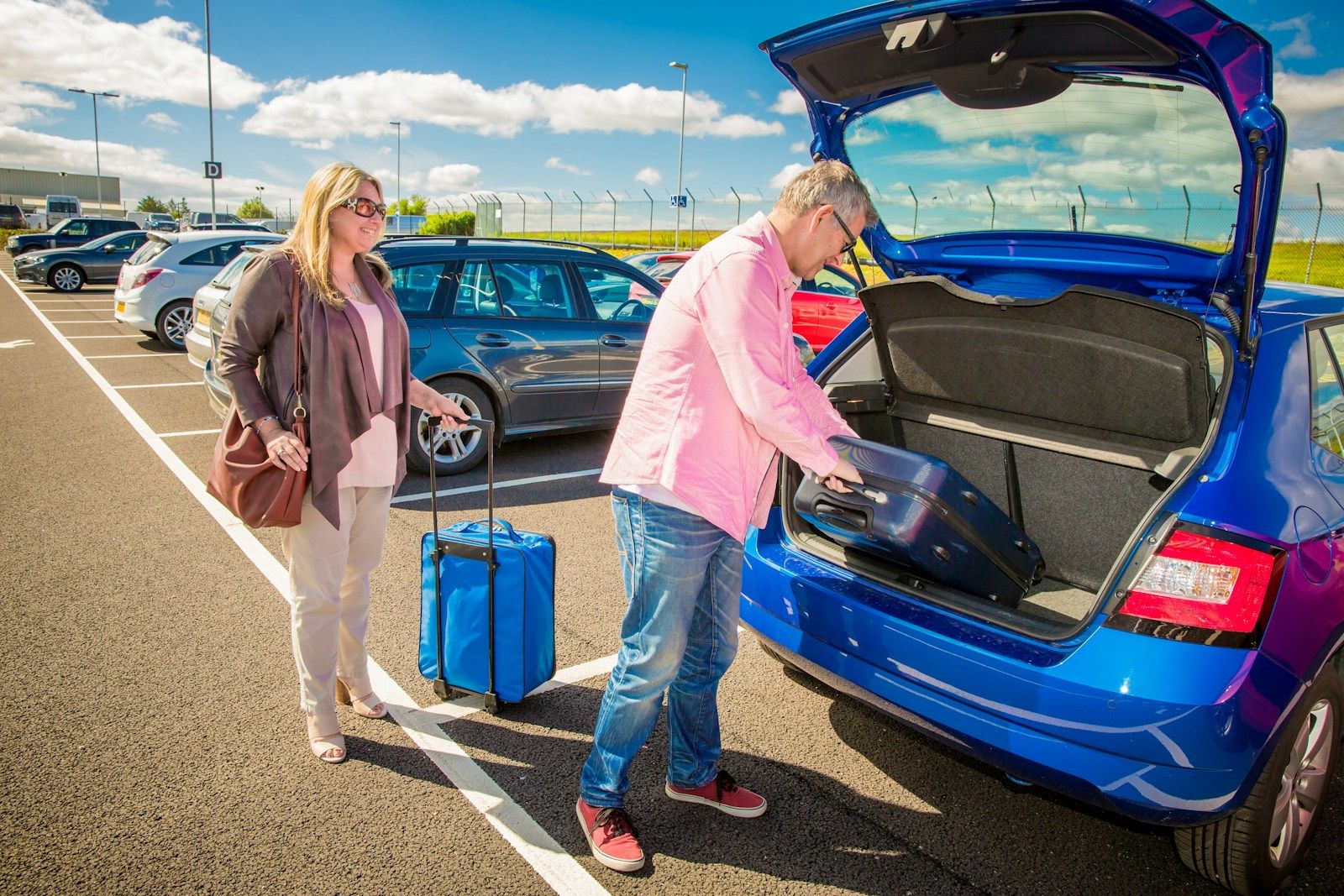
What a rental-company waiver changes
A collision damage waiver is generally a promise from the rental company to waive some or all claims against the renter for damage to or loss of the rental car, subject to the agreement. It is not simply a policy that pays after you submit a claim. The waiver can have conditions about authorized drivers, prohibited use, roads, territory, reporting, and vehicle return. Read the full agreement, including the section describing when the waiver is void.
Compare what the waiver includes with your auto policy and card benefit. Ask whether it addresses theft, weather, vandalism, towing, storage, or administrative charges and whether any deductible or renter responsibility remains. The waiver may not cover injuries, your belongings, another person’s property, or a replacement rental after your own car is damaged. Those are separate questions.
If you decline the waiver, you may be responsible under the rental agreement for damage or loss unless another applicable policy or benefit responds. That responsibility can arise even if the incident was not your fault; the rental company’s terms and local law govern what it may charge. The Wisconsin guide notes that waiver terms differ and that its own statutory protections apply only in Wisconsin. Do not apply Wisconsin consumer rules to a rental elsewhere.
The charges that often create gaps
An insurer or card benefit may pay for physical repair but not every charge in a rental-company demand. Wisconsin’s consumer guide says a personal auto policy may not cover administrative fees, towing, loss of use while the vehicle is repaired, or diminished value. The amount and legal treatment depend on the rental agreement and jurisdiction, so ask whether each category is included rather than asking only whether “the rental” is covered.
Loss of use is a charge related to the rental company being unable to rent a vehicle during repairs. Diminished value refers to a claimed reduction in the vehicle’s value after damage. Administrative fees and towing are separate line items. A card benefit or waiver may define these differently. Request an itemized statement if you receive a demand and send it to your insurer and card administrator before paying or signing a release.
Photograph the rental before leaving the lot, including existing marks, dashboard warnings, fuel level, and odometer if the agreement records them. Do not take photos while driving or in an unsafe area. At return, use the company’s normal check-in process and save the receipt. Documentation cannot prevent every dispute, but it can help establish the vehicle’s condition and rental period.
Renting outside the United States or for work
Do not assume a U.S. personal auto policy or credit-card benefit applies in another country. The Wisconsin consumer guide specifically cautions that personal coverage may not be valid outside the United States and Canada, and the rental contract may impose separate territorial rules. Ask your insurer and card issuer about the country, duration, vehicle, and driver before the trip.
A personal auto policy may also treat business travel differently from personal use. The Wisconsin guide recommends checking whether the policy covers business travel and whether an employer policy applies when you travel on the employer’s behalf. A rideshare, delivery, carrying passengers for pay, or transporting goods can raise additional questions. Describe the actual use and ask for a written answer.
Rental agreements can restrict who may drive, where the vehicle may go, or what happens if you use it on unpaved roads. A waiver may be void if a driver is unauthorized or a contract condition is broken. Read these terms before signing and add every permitted driver through the rental company’s process. Do not rely on a verbal answer that is not reflected in the rental paperwork.
If you rent because your own car is being repaired
Rental reimbursement is a separate benefit on some personal auto policies. Maine’s Bureau of Insurance describes it as paying some cost for a substitute vehicle when the insured car is out of use because of an insured loss, subject to the policy. It is not the same as rental-car damage coverage. One benefit helps you rent a replacement; another may address damage to the car you rent.
Check the declarations for rental reimbursement and ask about the covered event, daily and total limits, start date, rental class, and duration. The stolen-car guide discusses why a rental benefit may matter while a theft claim is under review. Do not assume the insurer will pay for a rental when your car is being repaired after a breakdown that is not an insured loss.
If another driver’s insurer is paying for a rental after a crash, confirm the allowed period and vehicle category with that company. Keep the agreement and receipts and ask before extending the rental. A total-loss settlement, repair delay, or disputed liability can change the authorized period. Do not treat a courtesy rental as an unlimited entitlement.

A before-you-sign checklist
- Does your auto policy cover liability while you drive this rental, and at what limit?
- Does it cover physical damage to this vehicle, and what deductible applies?
- Does the card benefit require that you pay with the card and decline the waiver?
- Which drivers, vehicle types, countries, and rental lengths are eligible?
- Does a waiver exclude particular roads, activities, or unauthorized drivers?
- Are loss of use, diminished value, towing, storage, and fees included?
- Is this a personal trip, work trip, or rental while your own car is under a covered claim?
Call your insurer and card issuer with the actual itinerary and rental class. Keep their answers, the written benefit guide, proof of payment, and signed rental agreement together. If the answer is uncertain, ask the company to identify the section that governs the gap. A simple coverage map can help, but it cannot replace the terms that apply to your specific rental.
If an accident happens, get to a safe place, contact emergency services if needed, notify the rental company, and follow its incident instructions. Preserve photos, witness details, police information, and all receipts. Then notify the personal insurer and card administrator if their terms require it. Do not admit liability, alter the timeline, or discard the agreement before the claim is reviewed.
Frequently asked questions
Does my car insurance cover a rental car?
Some personal auto coverages may extend to a rental, but you must confirm the policy, vehicle, driver, trip location, and use. Liability and damage to the rental car are different questions. Ask your insurer which sections apply and what exclusions, deductibles, or limits remain.
Is a rental car damage waiver the same as insurance?
A collision damage waiver is generally a contract in which the rental company agrees to waive some responsibility for damage to its vehicle, subject to conditions. It is different from insurance. Read the agreement to see what is waived, what is excluded, and who may drive.
Will my credit card cover a rental car?
A card benefit may cover certain collision or theft losses if you meet its terms. Conditions can include paying for the rental with that card and declining the rental company’s waiver. Vehicle type, rental duration, country, authorized drivers, and exclusions can matter. Get the benefit guide before the trip.
Does rental coverage pay for loss of use or administrative fees?
Not necessarily. Wisconsin’s consumer guide warns that an auto policy may not cover rental-company charges such as loss of use, administration, towing, or diminished value. The rental agreement, state law, insurer, and card benefit can differ, so ask about each item before relying on coverage.
Sources
- Auto Insurance — National Association of Insurance Commissioners
- Car Rentals and Collision Damage Waivers — Wisconsin Department of Agriculture, Trade and Consumer Protection
- Other Auto Coverages — Maine Bureau of Insurance
CoverClaro explains insurance. We do not sell insurance or give personal advice. Your policy and insurer determine your coverage.