Short answer: Yes, if you have comprehensive coverage. Hitting a deer is generally treated as a comprehensive claim, not collision, because it is damage from an animal rather than from another vehicle. You pay the deductible. If you only have liability coverage, your car is not covered. Swerving into another car or object can turn it into a collision claim.
Why a deer strike is usually a comprehensive question
If your moving car directly hits a deer, comprehensive coverage is commonly the part of an auto policy that addresses the vehicle damage. The NAIC describes comprehensive as protection for certain events other than a collision, including an impact by an animal. Maine’s consumer guide also lists contact with a bird or animal among comprehensive examples. The policy’s wording, the facts, the deductible, and any exclusions still control the decision.
Start with the auto coverage overview and check whether comprehensive appears on your declarations. Liability-only coverage generally pays covered claims for injury or property damage you cause to someone else; it is not a promise to repair your own car. Collision and comprehensive are different coverage sections and may have different deductibles. If you are unsure which section applies, describe exactly what the car struck and ask the insurer to identify the provision it will review.
A claim classification can change when the car does not directly hit the animal. If you swerve and hit a guardrail, another vehicle, or a tree, the damage may be evaluated under collision rather than the animal-contact portion of comprehensive. If the animal hits the side of the car, the insurer will review the policy definition and the sequence. Do not adjust the story to fit a coverage label; report what happened as accurately as you can.
A simple deductible example
Suppose a hypothetical estimate for covered body work is $3,400 and the comprehensive deductible listed on your policy is $500. If the insurer approves the covered amount and no other adjustment applies, the arithmetic remainder would be $2,900. Those figures are only an example of subtracting a deductible. They are not a typical repair price, promised payment, or estimate for any particular vehicle.
The deductible is applied according to the contract, and an insurer may inspect damage or ask for an estimate before it approves repairs. A repair estimate can change if a shop finds hidden damage after removing a bumper or light. Ask the adjuster how supplements are submitted and whether the shop should wait for inspection. Keep photos and written estimates, and do not authorize work you cannot afford on the assumption that the full amount will be reimbursed.
If a vehicle is declared a total loss, settlement is not simply a repair estimate minus the deductible. The insurer will apply its valuation process and the policy. Review the report for mileage, trim, condition, options, comparable vehicles, and any stated adjustments. Ask in writing about an error you can document, such as the wrong model or a missing feature. A deer collision can damage more than the visible panel, but the existence of hidden damage does not set the settlement amount by itself.
What to do immediately after a strike
Put safety ahead of evidence gathering. If you can do so without creating more danger, move the vehicle out of traffic and turn on hazard lights. If a person is hurt, the car is blocking an active lane, or another immediate hazard exists, contact emergency services. Wisconsin DOT tells drivers who hit a deer to get safely off the road, remain buckled in the vehicle while waiting for help, and never move an injured deer. Local procedures differ, so follow instructions from authorities where you are.
Do not walk into traffic to photograph the vehicle or collect debris. Do not approach, touch, or attempt to move the animal, whether it appears alive or still. A wounded animal can move unpredictably, and even a dead animal can create a roadside hazard. Call local law enforcement or the appropriate road authority if the animal or vehicle is in a dangerous location. Wisconsin’s reporting guidance is specific to that state; check local rules rather than treating one state’s procedure as nationwide law.
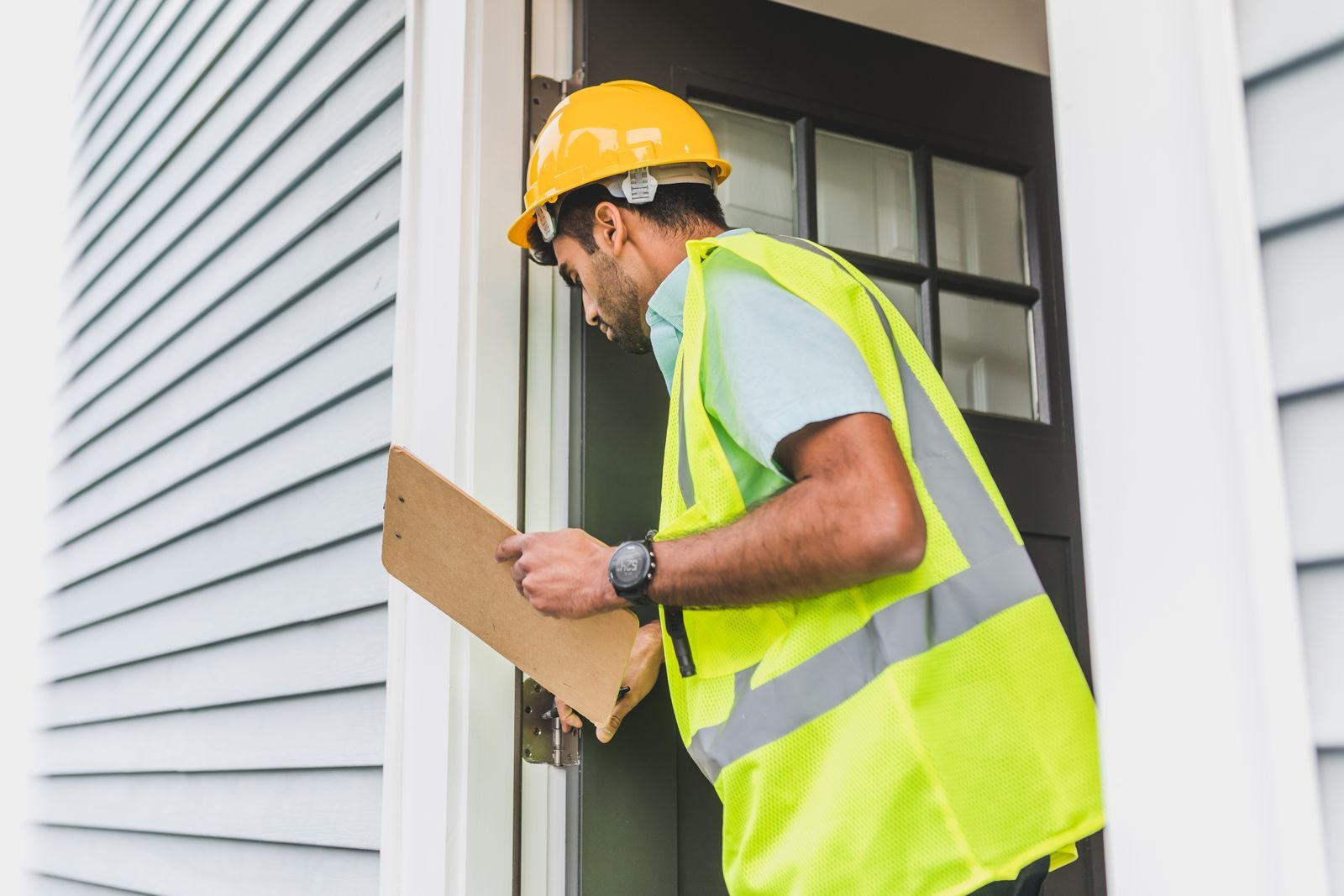
When it is safe, record the location, time, direction of travel, weather and lighting, what the car struck, and whether anyone witnessed the event. Take photographs from a safe place of vehicle damage and road conditions. If conditions make a photo unsafe, use written notes instead. Save the police or incident number, tow receipt, contact information, and any instructions about moving the car.
Tell the insurer what happened, not what you think it means
Report the event promptly under the notice instructions in your policy. A useful first account is factual: “At approximately this time and place, an animal entered the road; the front of my vehicle contacted it; I pulled over at this location.” If you swerved into an object instead, say that. Do not claim to have seen an animal if you did not. If you are uncertain whether the car hit the deer or a separate object, explain the uncertainty.
The insurer may ask for photographs, a police report, a repair estimate, vehicle inspection, witness details, or information about injuries. Ask which documents it actually needs and how to send them. Keep a copy of every file and note the date of submission. If you have dashcam video, preserve the original file before it is overwritten and share it through the company’s approved channel if requested.
If another driver was involved or you hit a second car after swerving, there may be separate liability questions. Exchange information when safe, call authorities as required, and tell your insurer about each impact. Do not decide fault at the roadside or promise to reimburse another person. A direct wildlife strike and a later collision may be evaluated under different policy parts.
Does one deer claim change your premium?
No source can predict how one specific claim changes a driver’s future premium. The NAIC identifies claims history among factors insurers may consider, alongside matters such as location, driving record, vehicle, and chosen coverages. State rules and an insurer’s rating plan also matter. Do not rely on a blanket statement that a deer claim never affects a rate or always raises it.
Before opening a claim solely for a small repair, compare the likely approved amount with your deductible and ask the insurer how it handles claim inquiries. An inquiry is not always the same as a filed claim, but the way it is recorded can depend on the company and state. Ask directly how the company records a coverage question and whether it can provide a general explanation without opening a claim. Do not withhold a required notice if the policy tells you to report an event.
An insurer’s eventual renewal price can reflect more than this incident. If a premium changes, request the renewal explanation and verify that the listed vehicle, drivers, address, and coverage choices are accurate. If you believe a rating rule violates state requirements, contact the state insurance department for information about consumer complaints. Do not assume that a general internet claim about “not-at-fault” or comprehensive losses describes your state’s law.
Larger animals and different impact patterns
The animal-contact example is not limited to deer in every policy, but the actual definition matters. A collision with an elk, moose, bear, livestock, or a bird may raise different safety and claim facts. Read the policy term used for animal impact and tell the insurer what kind of animal was involved if you know. Do not infer coverage solely because a different animal appeared in another person’s claim.
The direction and location of damage can help reconstruct the event. A dent on a door, a cracked windshield, hair or debris, a damaged bumper, and a damaged guardrail may tell different parts of the story. Photos document visible conditions, but a body shop or adjuster may need to inspect the vehicle. Avoid cleaning away physical material or repairing parts before asking whether an inspection is planned, unless safety or preventing further damage requires action.
Wildlife conditions also vary by location and time. Wisconsin DOT reports increased deer activity in May and June in its state and advises drivers there to stay alert, particularly around dawn and dusk. That timing is Wisconsin-specific and should not be treated as a national calendar. Local wildlife agencies or transportation departments may have different information about seasonal crossings in your area.
Check your policy before the next trip
Review the comprehensive and collision lines separately. Note the deductible for each, whether glass has a distinct provision, the vehicle identified by VIN, and any lender or lease interest. If your car is financed, read the loan or lease agreement for physical-damage requirements. The fact that a lender requires certain coverage does not mean every possible loss is covered.
Ask the insurer a precise question if you travel through areas with wildlife: “If I directly strike a deer and carry comprehensive with this deductible, what documents and claim steps apply? What if I swerve and hit an object instead?” Ask for an answer tied to your policy or state. Keep the declarations and roadside claim number accessible, but do not handle a phone while driving.
If you are deciding whether comprehensive still fits an older car, compare the vehicle’s realistic value, premium, deductible, and your ability to replace it. There is no universal age or formula that makes keeping or dropping coverage right for everyone. A vehicle can be old and still be difficult to replace; another may have a low value relative to its premium. Obtain separate written prices and include lender requirements.
Keep a concise claim record
Make one folder for the incident. Include the declarations page, policy number, claim contact, police or incident information, photos, repair estimate, towing and rental receipts, and the dates you called. Label photos with what they show without inserting a conclusion, such as “front bumper after roadside move.” A factual label is easier for an adjuster to review than a guess about the cause.
If the insurer’s decision does not match the facts, ask for the coverage position in writing and identify the policy section. If the estimate omits visible damage or uses the wrong vehicle details, send the correction with supporting documents. If the dispute concerns a total-loss value, show comparable vehicles and relevant condition records rather than only a different online estimate. Keep copies and note any deadlines.
Our auto coverage guide explains how comprehensive differs from collision; how to file a claim covers documentation and communication habits in more detail. The deer-specific safety instruction in this article comes from Wisconsin DOT; follow your local authorities if they give different directions.
One incident can involve more than one coverage
Vehicle damage and an injured passenger are different questions. Comprehensive may be relevant to the car after direct animal impact, while MedPay, PIP, health insurance, or another part of the policy may address injury expenses depending on the state and contract. Do not combine medical and repair bills into one number or assume a decision under one coverage settles the others.
If you hit another car, pole, or guardrail while avoiding the deer, describe each contact in order. The insurer may ask for a sketch or photos to understand the sequence. A witness may remember whether the deer was struck directly or the car swerved. Do not ask anyone to confirm a version they did not see, and do not edit a recording; provide the original file if the company requests it.
When someone is hurt, keep treatment information, provider names, and bills separate from the physical-damage records. Ask which coverage should receive each document and whether different forms or notice dates apply. The auto coverage guide separates liability, physical damage, and medical options; your contract and state rules determine coordination.
Frequently asked questions
Is hitting a deer comprehensive or collision?
A direct impact with an animal is commonly treated under comprehensive coverage, while damage from swerving into a car or fixed object may be evaluated under collision. The policy wording and facts control, including what the vehicle actually struck.
Does liability-only insurance cover deer damage to my car?
Liability coverage generally addresses covered injury or property damage you cause to others. It does not normally repair your own car after an animal strike. Comprehensive coverage would need to be included for the insurer to consider the vehicle damage under that section.
Will a deer claim raise my insurance rate?
There is no universal answer. Insurers and state rules differ, and the NAIC lists claims history among possible pricing factors. Ask your insurer how this type of claim is treated in your state; do not assume a comprehensive claim guarantees either an increase or no change.
Should I move an injured deer after a crash?
No. Stay in a safe place and contact local authorities or emergency services if there is an immediate hazard or someone is hurt. Wisconsin DOT specifically advises drivers never to move an injured deer. Do not stand in an active roadway to photograph the scene.
Sources
- What Does Auto Insurance Cover? — National Association of Insurance Commissioners
- Other Auto Coverages — Maine Bureau of Insurance
- Stay Alert on the Road as Deer Crashes Spike in Late Spring, Early Summer — Wisconsin Department of Transportation
CoverClaro explains insurance. We do not sell insurance or give personal advice. Your policy and insurer determine your coverage.