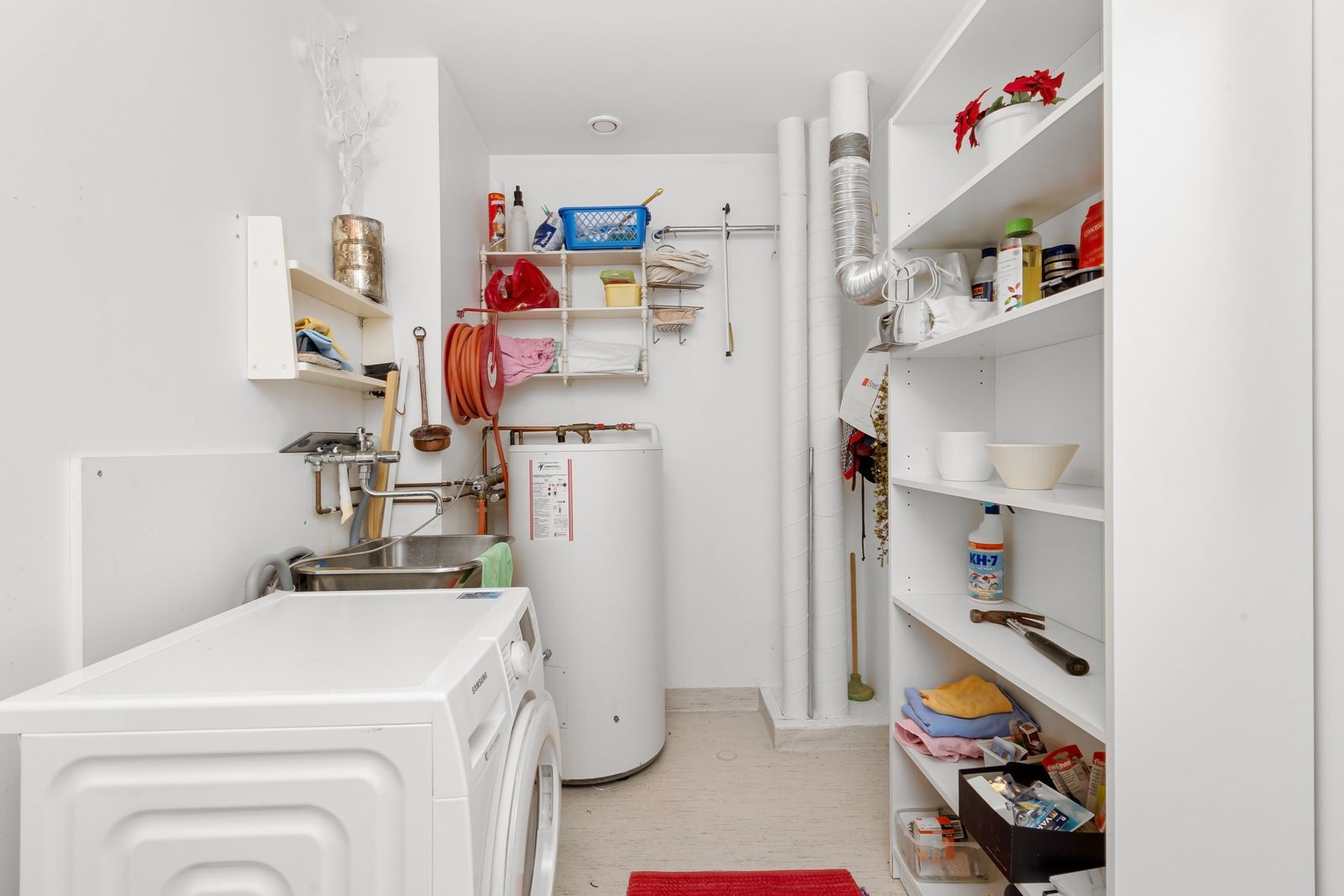
Short answer: Often yes for sudden damage. If a hose bursts or the washer overflows and floods the floor, the resulting water damage is usually covered. A slow leak that goes on for weeks may be treated as maintenance. The washing machine itself is generally not covered unless a covered peril destroyed it. Shut off the water and take photos.
Does homeowners insurance cover a washing machine leak?
Often, when water escapes suddenly and accidentally from a washer hose, connection, or overflow and damages the home. The Washington State Office of the Insurance Commissioner uses a broken washing machine as an example of an accidental leak that homeowners insurance usually covers. That is a general consumer explanation, not a guarantee for every policy. The issued contract, cause, timing, deductible, and facts decide whether the loss qualifies. For how insurers sort every kind of water loss, from a failed hose to outside flooding, see does homeowners insurance cover water damage.
Begin with the general guide to what homeowners insurance covers. Then separate two questions: did water suddenly damage floors, walls, cabinets, or belongings, and did the washing machine itself fail? The policy may treat the resulting water damage differently from the appliance or a worn hose. A repair bill for the machine does not automatically become part of a covered water claim.
Sudden water damage versus a leak that went unnoticed
A hose that splits while a load is running creates a different timeline from a slow drip behind the washer that stains the wall over several weeks. Sudden and accidental water loss may be covered when no exclusion applies. Gradual leakage, repeated seepage, deterioration, or damage from neglect may be excluded or limited. The exact terms vary, and it can be difficult to date a hidden leak precisely.
| Observation | What it may help explain | What it does not prove by itself |
|---|---|---|
| Water spread across the floor after a cycle | Where water traveled and which rooms or belongings were affected | The age or cause of the failed part |
| A hose connection separated or split | A possible point where water escaped | That the failure was sudden rather than developing gradually |
| Dark staining, softened flooring, or swollen cabinets | The extent and location of moisture | The exact date the leak started |
| Recent repair, installation, or washer movement | A possible event in the timeline | Fault or responsibility without further evidence |
Do not guess how long a leak was active. Tell the insurer when you first noticed the water, what the washer was doing, and what you observed before that. A plumber or appliance technician can document the failed connection and the surrounding conditions; the report should describe findings rather than assign a cause the professional cannot support.
The machine, hose, floors, and belongings are separate items
The washing machine. Standard homeowners insurance is not a maintenance plan for an appliance. If a motor, pump, seal, or control board wears out or fails on its own, the repair or replacement may be your responsibility. If a covered event such as a fire or lightning strike damages the washer, the policy may evaluate the machine as personal property, subject to its limit and valuation terms.
The hose and connection. A failed hose is often different from the water damage it causes. A policy may pay for resulting covered damage while not paying to replace a worn hose or faulty connection. The precise treatment depends on the wording. Keep the failed part if the insurer or repair professional asks for it, but do not preserve a sharp, contaminated, or unsafe component at the expense of safety.
The building. Flooring, baseboards, drywall, cabinetry, and insulation may be part of the dwelling or unit. The amount and cause of damage matter; the insurer may distinguish a sudden water event from old swelling or rot. If you rent or live in a condo, the building owner or association may be responsible for some structural repairs under separate documents, while your own policy may apply to belongings.
Your belongings. Clothing, storage items, and electronics near the washer may be covered under personal-property terms if a covered cause damaged them. Photograph each item, note the condition, and keep purchase details where available. Do not put wet electrical items back into use to test them.
What to do when the washer is leaking
First protect people. Do not touch a plug, outlet, or appliance if water is near electricity. If the area is safe, stop the cycle and close the washer’s water valves. If you cannot reach them safely, leave the area and contact a qualified professional. Avoid pulling a heavy machine across a wet floor if doing so could expose wiring or worsen damage.
Once the immediate leak is controlled, take wide photos of the laundry room and closer photos of the hose, fittings, washer, water line, and affected flooring. Include the neighboring room if water traveled through a doorway. Preserve original image dates. Make a written note of when you first saw water and what was happening at the time; add later findings from the plumber or appliance technician separately.
Move dry belongings out of the wet area and begin reasonable drying only when safe. Follow the insurer’s instructions and ask whether it wants to inspect before materials are removed. If drywall, flooring, or cabinets must be opened to dry the area, ask the mitigation professional to photograph each stage and keep a record of what was removed. Save invoices, equipment logs, and moisture reports.
Hose and installation records can help explain the event
Check the washer manual and installation information for the type of hose, connection instructions, and inspection or replacement guidance. Do not rely on a generic internet interval as if it were a rule for every model or hose. If a braided hose or another connector was installed, keep the receipt and the work order. A qualified plumber can note whether the fitting was loose, cracked, corroded, kinked, or disconnected when inspected.
The purpose of these records is not to assign blame before the facts are known. A sudden failure can happen even when a homeowner took reasonable care, while an old stain or corrosion may lead the insurer to ask about maintenance. Share the records honestly and ask the adjuster which facts affect coverage. If the washer was recently moved or installed, keep the installer information and explain the timeline accurately.
Drying, mold, and repairs
Water can move under flooring, behind baseboards, and into lower cabinets even when the visible puddle is small. Photograph affected areas before cleanup where safe, then follow professional drying advice. The cause and duration of moisture can matter for any later mold or rot issue; the policy may treat secondary damage differently from the original sudden leak.
Do not scrape, cut into, or clean a large affected area based on an insurance article. Ask a qualified restoration professional to assess what needs drying or removal, and follow public health guidance if mold is present. Keep the report, photos, and readings with the claim file. Our guide to mold and homeowners insurance explains why the source and timing of moisture matter.
Who handles the claim in an apartment or condo?
If you rent, tell the landlord or property manager about water affecting the unit and report damage to your own belongings to your renters insurer. The landlord’s policy may address the building, while your own policy may address personal property or qualifying additional living expenses. The lease and local law may also affect responsibilities, so do not assume a single party pays for everything.
In a condo, the association’s governing documents and master policy may determine which floor, wall, cabinet, or pipe is part of the unit or common property. Photograph the source and tell the association promptly. Our guide to a leak from an upstairs neighbor explains why the building’s governing documents matter. If you rent the unit, notify the landlord and keep a record of the report as well as your own damaged belongings.
Deductible, estimates, and the claim decision
Before filing, compare the likely covered repairs with the applicable deductible. A hypothetical example: if a sudden washer leak causes $3,200 in covered flooring repairs and the deductible is $1,500, the simple difference is $1,700 before limits, valuation, exclusions, or other policy terms. If damage is hidden behind cabinets, the estimate may change after inspection. These numbers illustrate subtraction, not typical repair costs or a promise of payment.
Get an itemized estimate that separates drying, access, demolition, replacement materials, the failed appliance, and any upgrade. Ask the insurer which items it accepts and why. If your contractor’s scope differs, send the written report and photographs and request a review of the specific line item. Do not add unrelated pre-existing damage to the claim or sign a repair authorization you do not understand.
Three washer scenarios that can lead to different decisions
A hose breaks during a wash cycle. Water is found across the laundry floor shortly after someone hears a noise or sees the machine stop. The homeowner shuts off the valves, takes photographs, and calls a plumber. This timeline can support a sudden event, but the inspection still needs to identify the failed part and any older conditions. The insurer may separately evaluate the floor, nearby belongings, hose, and washer.
The washer overflows during a cycle. A damaged control, blocked drain, or load problem might cause water to escape, but the source needs to be investigated. Record the machine’s display, the cycle, any error message, and whether water came from the door, standpipe, drain hose, or supply connection. A technician can report what component failed. Do not label it a covered overflow before the cause and policy wording are reviewed.
A cabinet or wall is damp behind the washer. The visible stain may have developed gradually even if you noticed it only today. Photograph it and explain when you first saw it, then ask a professional to examine the hose and surrounding materials. A hidden leak raises a timing question; it does not by itself prove neglect or prove that the damage happened all at once.
These are illustrations, not a checklist for deciding coverage. The same visible puddle can have different causes, and the same failure can affect different parts of a home. Keep the timeline factual and let the adjuster compare it with the policy.
Questions the adjuster or technician may ask
Be ready to say whether the machine was running, when the room was last checked, when the water was first seen, and whether anyone had recently moved or serviced the appliance. The insurer may ask for the failed hose, installation receipt, appliance age, plumber’s invoice, or mitigation records. It may also inspect adjacent rooms or the underside of the floor if water could have traveled there.
Answer from what you know. If a family member saw the first leak, identify that person and their observation rather than presenting a secondhand guess as your own. If a technician’s explanation changes after opening the machine, preserve both reports and ask for the reason for the update. New evidence can refine a claim; it does not make an earlier honest description improper.
If water appears near the standpipe or floor drain, record that location separately from a supply-hose leak. A drain backup may involve a different cause or endorsement than water released from an appliance connection. Photograph the drain opening and any visible debris without touching contaminated water, then ask a plumber to identify the source. Our guide to sewer backup coverage explains that distinction.
FAQ
Frequently asked questions
Does homeowners insurance cover a washing machine hose burst?
It often covers resulting water damage if the hose fails suddenly and accidentally, subject to the policy, deductible, and exclusions. The policy may not pay to replace the hose or washing machine itself. Photograph the source and damage when safe, stop the water, and keep the repair report.
Does homeowners insurance pay for the washing machine?
Not usually when the machine simply breaks from age, wear, or a mechanical fault. The contents or dwelling coverage may respond if a separate covered peril damaged the appliance, but the exact policy wording and valuation apply. A home warranty or manufacturer warranty is a different contract.
Is water damage from a slow washer leak covered?
Coverage is less likely when a small leak continued over time and caused deterioration, rot, or mold. Insurers may examine the condition of the hose, staining, cabinet or floor damage, and repair history to estimate how long it leaked. Describe what you observed without guessing at a hidden start date.
What should I do after a washing machine leaks?
If safe, stop the cycle and shut off the water supply; avoid wet electrical equipment. Photograph the hose, machine, floor, and affected rooms, then begin reasonable drying or call a qualified mitigation professional. Notify the insurer promptly, save receipts, and keep the failed hose or part for inspection if requested.
Sources
- Leaks, water damage and mold — Washington State Office of the Insurance Commissioner
- A Consumer's Guide to Home Insurance — National Association of Insurance Commissioners
- Homeowners 3 — Special Form, ISO form HO 00 03 05 11 — Maine Bureau of Insurance
CoverClaro explains insurance. We do not sell insurance or give personal advice. Your policy and insurer determine your coverage.