
Short answer: Usually, yes. If your dog bites someone outside your household, your policy’s personal liability coverage pays their medical bills and legal costs up to your limit, and medical payments coverage can cover small injuries regardless of fault. Some insurers exclude certain breeds or dogs with a bite history, and bites to people in your own household aren’t covered.
Does homeowners insurance cover dog bites?
Usually, yes, and it is one of the most useful parts of the policy that people never think about. A standard homeowners policy has a liability half, called Section II, that has nothing to do with your house being damaged. It protects you when someone else is injured or their property is damaged and you may be legally responsible. A dog bite is one of the most common reasons to use it. The coverage generally applies at home and away from home, so a bite at a park or on a walk can be covered too.
Most of what you read on this topic is written by personal injury lawyers for the person who was bitten. This guide is for the dog owner, with the policy in your hand. Two coverages matter: personal liability, which pays for the injured person’s claim and your legal defense, and medical payments to others, which pays smaller medical bills without anyone having to prove fault. For the big picture of how an HO-3 policy is built, see our plain-English guide to what homeowners insurance covers.
Liability coverage and medical payments: what is the difference?
Personal liability (Coverage E). If someone makes a claim or files a lawsuit saying your dog injured them, this coverage can pay the damages you are legally liable for, such as medical bills, lost income, and pain and suffering, up to your liability limit. It also generally provides and pays for a legal defense, even if the claim turns out to be groundless. The limit is set on your declarations page, and the amount varies by policy.
Medical payments to others (Coverage F). This pays reasonable medical expenses for a person who is injured by your dog, regardless of who was at fault, up to a much smaller limit, if the injury happens on your property with your permission or, for bites away from home, if it was caused by an animal you own. It is designed to resolve small injuries quickly, such as a bite that needs stitches, without a fault dispute.
Here is how that can look with made-up numbers. Your policy has a $100,000 liability limit and a $5,000 medical payments limit. A neighbor’s child is bitten at your gate. The emergency visit and follow-up cost $1,800. Medical payments can reimburse that regardless of fault. Later the family asks for more, and after negotiations the insurer settles for $70,000. That is within your liability limit, and the insurer pays it, along with the cost of defending you. If a serious injury produces a $140,000 judgment, you owe the $40,000 above the limit unless you have an umbrella policy.
When does a dog bite claim not get paid?
Bites to people who live in your home. Liability and medical payments coverage is generally for people outside your household. A bite to you, to a family member, or to anyone who regularly lives with you is typically not covered under Section II. Their medical bills would go through their own health insurance.
Breed and bite-history exclusions. Some insurers will not cover certain breeds or mixes, will add an exclusion for a specific dog after a bite, or will ask you to sign a canine liability exclusion endorsement. If your policy has one, a bite by that dog may not be covered at all, and you can be personally responsible for everything. Check your declarations page and the list of endorsements for words like “canine,” “animal liability,” or “excluded breeds,” and ask your agent directly.
Intentional acts and certain business activities. Injuries you cause intentionally are excluded, and so is liability from a business, such as a dog-training or boarding business operated from home, unless it is covered separately.
Amounts above your limit. Liability coverage stops at its limit. Anything above it is yours unless an umbrella policy sits on top.
| Situation | Possible outcome | Why |
|---|---|---|
| Your dog bites a neighbor or a guest at your home | Usually covered | Personal liability pays covered damages and your defense. Medical payments can cover smaller bills regardless of fault. |
| Your dog bites a stranger at the park or on a walk | Usually covered | Liability coverage generally applies away from home too, subject to your policy’s exclusions. |
| Your dog bites someone who lives in your home | Not covered | Section II coverage is for people outside the household. Their own health insurance would respond. |
| Your policy has a breed or canine liability exclusion for your dog | Not covered | The exclusion removes coverage for the dog. You may be personally liable for the full claim. |
| The claim is bigger than your liability limit | Covered up to the limit | You owe the excess unless you carry an umbrella policy that extends your limit. |
| A bite happens at a dog business you run from home | Usually not covered | Business activity is commonly excluded unless a separate business policy covers it. |
What do state dog bite laws have to do with it?
The law decides whether you are liable, and your policy decides whether the insurer pays when you are. States approach owner responsibility in different ways. In general terms, some states hold an owner responsible for a bite more or less automatically, a rule called strict liability. Others follow an older approach often called the one-bite rule, which asks whether the owner knew or should have known the dog was dangerous, and many mix the two or apply ordinary negligence principles. We are not describing individual states because we could not verify state laws against an official source, and the rules, defenses, and time limits vary. If someone brings a claim against you, report it to your insurer, which will assign a lawyer to defend you where the policy covers the claim.
What to do in the first hours after a bite
After your dog bites someone
- Secure the dog right away, in a crate, a room, or on a leash, so no one else is bitten. Do not let it roam while you deal with the injured person.
- Make sure the person gets medical care. Call emergency services if the injury is serious, and offer first aid. Do not argue about what happened at the scene.
- Exchange names and contact information, including the dog’s vaccination information, which health officials or the person’s doctor may ask for. Take photos of the scene and any visible injury, if the person agrees.
- Stay factual and avoid assigning fault in texts, emails, or social media, and do not make promises about money. Be honest about what happened; do not leave out anything about the dog’s history when you talk to your insurer.
- Report the incident to your insurer promptly, even if the person says they are fine. Policies have notice conditions, and a small injury can turn into a large claim. Our guide to filing a homeowners claim has a call log you can use.
- Check before you pay medical bills yourself. Some policies treat voluntary payments differently, and the medical payments coverage exists to handle them.
- Follow local animal control rules. Reporting, a quarantine period, and vaccination records may be required by local authorities.
Our guide on what not to say to an adjuster explains how to describe the incident accurately without guessing or admitting more than you know.
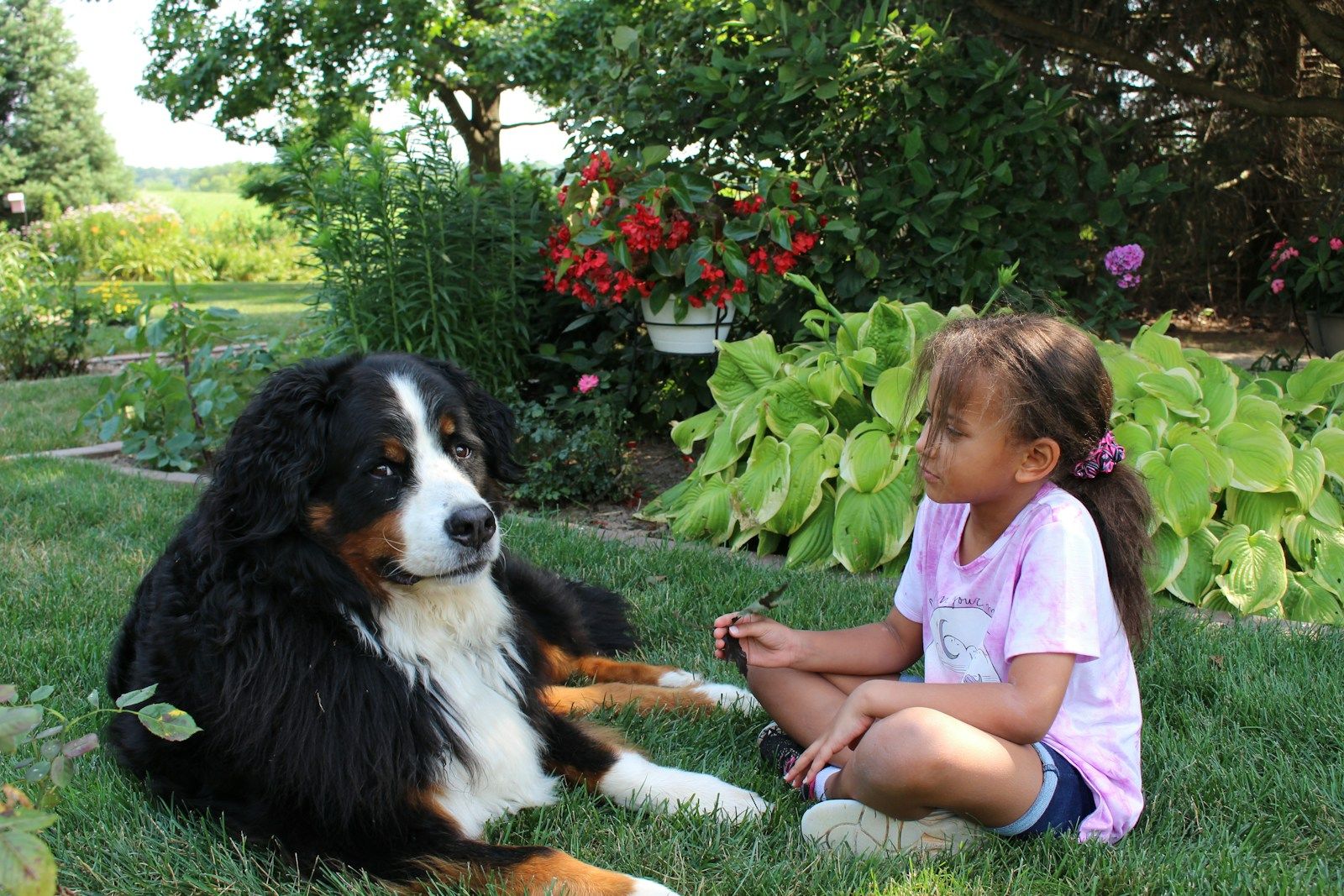
What happens to your policy after a dog bite claim?
A liability claim can change the relationship with your insurer. Some insurers raise the premium after a dog bite claim. Some add an exclusion for the dog involved, ask you to rehome or restrain the dog, or decline to renew. Others take no action. Practices differ by company and by state, and rules about how much notice an insurer must give before it does these things also vary. If you receive a change notice, read it carefully, ask what triggered it, and ask what the insurer would need to see to reverse it, such as training records or a fence. Our guide on premiums after a claim explains how claims history works in general.
If your insurer cancels or declines to renew, shop for coverage early. Some companies insure owners of dogs with a history, and some do not. Be truthful on every application about the dog’s breed and history, because a misstatement can void coverage when you need it most.
What about renters insurance, umbrella policies, and landlords?
Renters. A renters policy usually includes personal liability and medical payments coverage that works like the homeowners version, and it can respond when your dog bites a visitor in the apartment or someone on a walk. Breed exclusions and bite-history rules can apply. If a landlord requires proof of renters coverage because you have a dog, check that your policy does not exclude your breed.
Umbrella. An umbrella policy adds liability limits on top of your homeowners or renters policy, though prices and requirements vary by insurer. It matters most for serious injuries, where a claim can exceed the base limit. Umbrella insurers can also exclude certain dogs, so ask.
Landlords and condos. If you own a rental property and a tenant’s dog bites someone, the landlord’s policy and the tenant’s policy may both be involved, depending on the lease and the facts. For condos, the master policy generally does not cover a unit owner’s dog.
How much does a dog bite cost, and should you file?
We are not printing payout figures because we could not verify them, and bite claims range from a small medical bill to a very large settlement. The costs to keep in mind are the injured person’s medical care and any ongoing treatment, lost income, compensation for pain and scarring, and the legal defense. The policy is designed to carry those, up to your limit.
Unlike a property claim, a liability claim is rarely a matter of “is it worth it.” Liability coverage typically has no deductible, and you generally have a duty to notify your insurer of an incident that could become a claim. The question is how to handle small incidents. If a minor injury is resolved with a small medical payments claim, the premium effect may be modest, and you can use our claim calculator to compare the numbers for a property loss, but do not skip reporting a bite that could grow. Waiting can hurt more than reporting.
Two real scenarios
The gate and the delivery. Mateo’s dog slips past him when a delivery driver opens the gate and bites the driver’s arm. Mateo secures the dog, calls for medical help, shares his information, and reports the incident to his insurer the same day. Medical payments covers the initial care, and the driver’s later claim is handled under liability coverage, with the insurer defending Mateo and negotiating within the limit. His premium rises at renewal, and the insurer adds a training requirement for the dog.
The excluded dog. Nadia’s policy has a canine liability exclusion that she signed years ago and forgot. Her dog bites a guest, and her insurer says the exclusion applies and declines the claim. She is personally responsible for the injured person’s damages and her own legal costs. Had she checked her endorsements, or asked her agent about alternatives after the exclusion was added, she would have known to look for other coverage or to arrange an umbrella that did not exclude the dog.
How do you lower the risk of a bite?
Control and training reduce risk more than any policy does. Keep a secure fence, a latching gate, and a leash when you are out. Warn visitors, particularly children, and supervise interactions with unfamiliar people. Follow your local leash and licensing rules and keep vaccinations current, with records. If your dog has shown aggression, work with a trainer or veterinarian, and keep documentation. Then read your own policy: look at your liability limit, whether the medical payments limit is enough for a typical injury, and whether any breed or canine exclusion applies. For related topics, see our Liability & Guests category.
Frequently asked questions
Will my homeowners insurance drop me if my dog bites someone?
It can. After a bite claim, some insurers raise the premium, add a canine liability exclusion for that dog, ask you to remove the dog, or decline to renew. Practices vary by insurer and state. Ask your agent what to expect, and ask for any change in writing.
Can you sue a homeowner for a dog bite?
Yes. Injured people can bring a claim against a dog owner, and your liability coverage is meant to respond to it by paying a covered settlement or judgment and by providing a legal defense, up to your limit. State law shapes when an owner is liable, so the rules differ across the country.
What's the average payout for a dog bite?
There is no figure we can point to with confidence. Payouts range widely with the injury, the medical care, the person’s age, and the state. What matters for you is your liability limit and whether your policy excludes the dog. Check both on your declarations page and in the policy form.
Does renters insurance cover dog bites?
Often, yes. Renters policies commonly include personal liability and medical payments coverage that can respond when your dog injures someone, but they can also exclude certain breeds or dogs with a bite history. Read the liability section and ask your insurer.
Sources
- Home insurance might cover dog bites — Texas Department of Insurance
- Does home insurance cover dog bites? — Progressive
- Does homeowners insurance cover dog bites? — U.S. News & World Report
- Homeowners 3 — Special Form, ISO form HO 00 03 05 11 — Maine Bureau of Insurance
CoverClaro explains insurance. We do not sell insurance or give personal advice. Your policy and insurer determine your coverage.